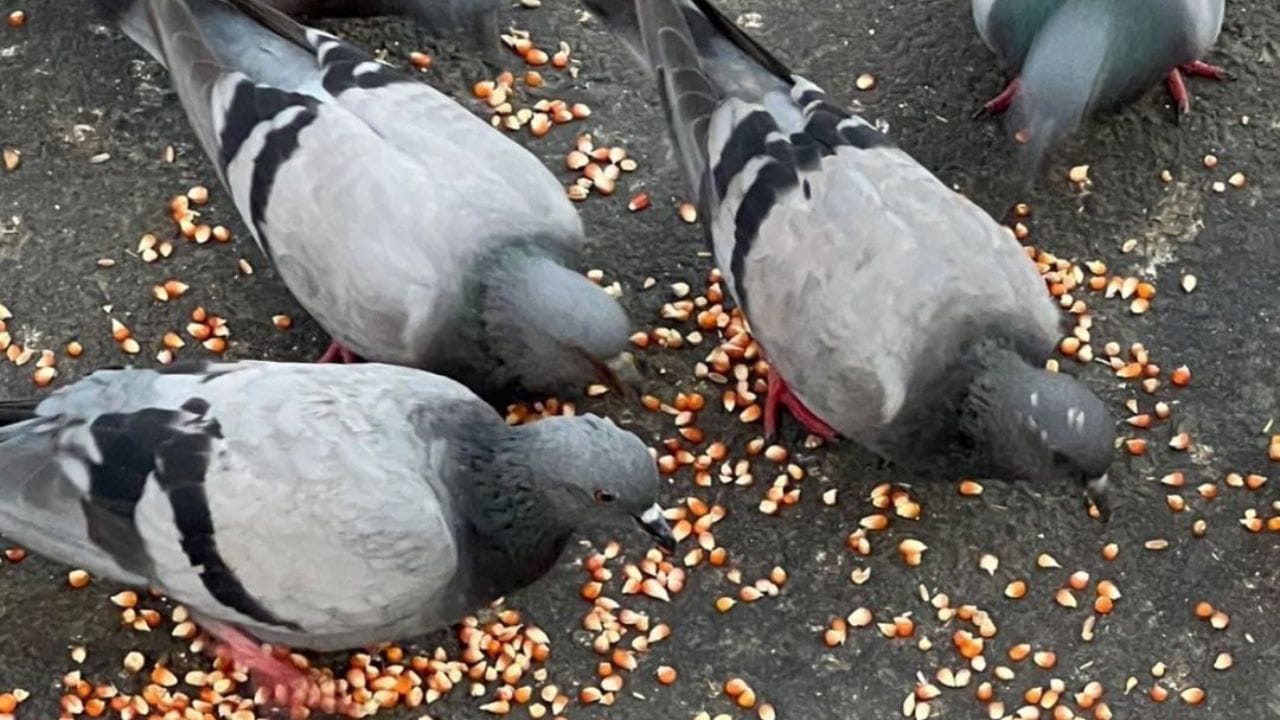
New Delhi: There is a quiet simplicity in offering a handful of bajra to pigeons. No ritual complexity, no elaborate preparation. Yet, in the language of Vedic astrology, this small act carries a deeper meaning. It sits at the intersection of karma, planetary balance, and daily spiritual discipline.
Across Indian traditions, feeding pigeons with bajra is not viewed as charity alone. It is seen as a conscious alignment with subtle energies that influence emotional stability, relationships, and prosperity. When done with awareness, it becomes a steady practice that shapes both inner and outer life.
Astrological Meaning Behind Feeding Pigeons
In Vedic astrology, every living being is linked with planetary forces. Pigeons are associated primarily with Venus (Shukra) and, in some interpretations, the Moon (Chandra).
- Venus governs love, harmony, comfort, and material pleasures
- Moon governs emotions, peace of mind, and mental balance
When pigeons are fed regularly, especially with natural grains like bajra, it is believed to strengthen these planetary influences.
Bajra, or pearl millet, holds its own symbolic value. It represents nourishment, grounding, and sustenance. Offering it to birds is seen as sharing one’s resources with nature, which in turn balances karmic exchanges.
This is why many astrologers suggest this practice during periods of emotional unrest, relationship strain, or financial stagnation.
Why Bajra is specifically recommended
Not all grains are considered equal in astrology. Bajra carries a certain earthy quality that connects with both Venus and Saturn energies.
- It is simple and unprocessed, aligning with purity of intention
- It represents stability and survival, strengthening grounded energy
- It is linked with rural abundance, not excess or luxury
Feeding pigeons with bajra is believed to create a balance between desire and discipline. Venus seeks comfort, while Saturn demands effort and humility. Bajra quietly bridges the two.
This combination makes the act particularly effective for people dealing with:
- Relationship imbalances
- Delayed success
- Emotional heaviness
- Financial inconsistency
Spiritual and Karmic Significance
Feeding birds has long been associated with karmic cleansing. The logic is not abstract. It is rooted in action. When you feed a creature that cannot repay you, the act becomes selfless. In astrology, such actions are said to reduce accumulated karmic weight.
Pigeons, in particular, are seen as carriers of peaceful energy. Their presence in temples and old city spaces is not accidental. They are often linked with continuity, routine, and quiet coexistence.
Regularly feeding them builds:
- A sense of responsibility
- A rhythm of giving
- A shift from self-focus to shared existence
Over time, this alters one’s mental state. Astrology interprets this shift as a softening of planetary stress.
Effects on Love, Relationships, and Emotional Health
Venus plays a central role in relationships. When its energy is disturbed, one may experience misunderstandings, detachment, or dissatisfaction.
Feeding pigeons with bajra is believed to:
- Reduce friction in close relationships
- Encourage emotional openness
- Restore warmth and mutual understanding
The Moon’s involvement adds another layer. It influences how we feel rather than what we do. When Moon energy stabilises:
- Anxiety reduces
- Sleep improves
- Decision-making becomes clearer
Many people who follow this practice report a gradual sense of calm. Not dramatic, but noticeable.
Financial and Material Implications
This may seem less obvious, yet Venus also governs wealth and comfort. When Venus is balanced:
- Opportunities tend to flow more smoothly
- Financial decisions improve
- Unnecessary expenses reduce
Feeding pigeons is not a direct path to wealth. Astrology does not claim that. Instead, it suggests that when internal imbalance reduces, external flow improves.
The act trains patience and consistency. Both are essential for financial stability.
The Right Way to Feed Pigeons Bajra
The effectiveness of this practice depends less on quantity and more on intention and timing.
- Best time: Early morning, around sunrise, is ideal. This aligns with natural rhythms and enhances the sattvic quality of the act.
- Where to feed: Open spaces, terraces, or parks where birds gather naturally. Avoid confined or harmful environments.
- How to offer: Scatter the bajra gently rather than throwing it forcefully. The act should feel calm, not rushed.
- Mental state: Avoid doing it mechanically. A simple thought of gratitude or balance is enough.
Common Mistakes to Avoid
Even simple practices can lose meaning if done carelessly.
- Feeding stale or processed food instead of natural grains
- Treating it as a quick remedy rather than a consistent habit
- Expecting immediate results
- Creating dependency or overcrowding in one place
The idea is not to interfere with nature but to support it in a balanced way.
Feeding pigeons bajra is considered auspicious not because it promises instant change, but because it encourages a way of living that aligns with balance, patience, and quiet generosity.
(Written by: Tanya Singh, Astropatri.com. For feedback, please write to [email protected].)