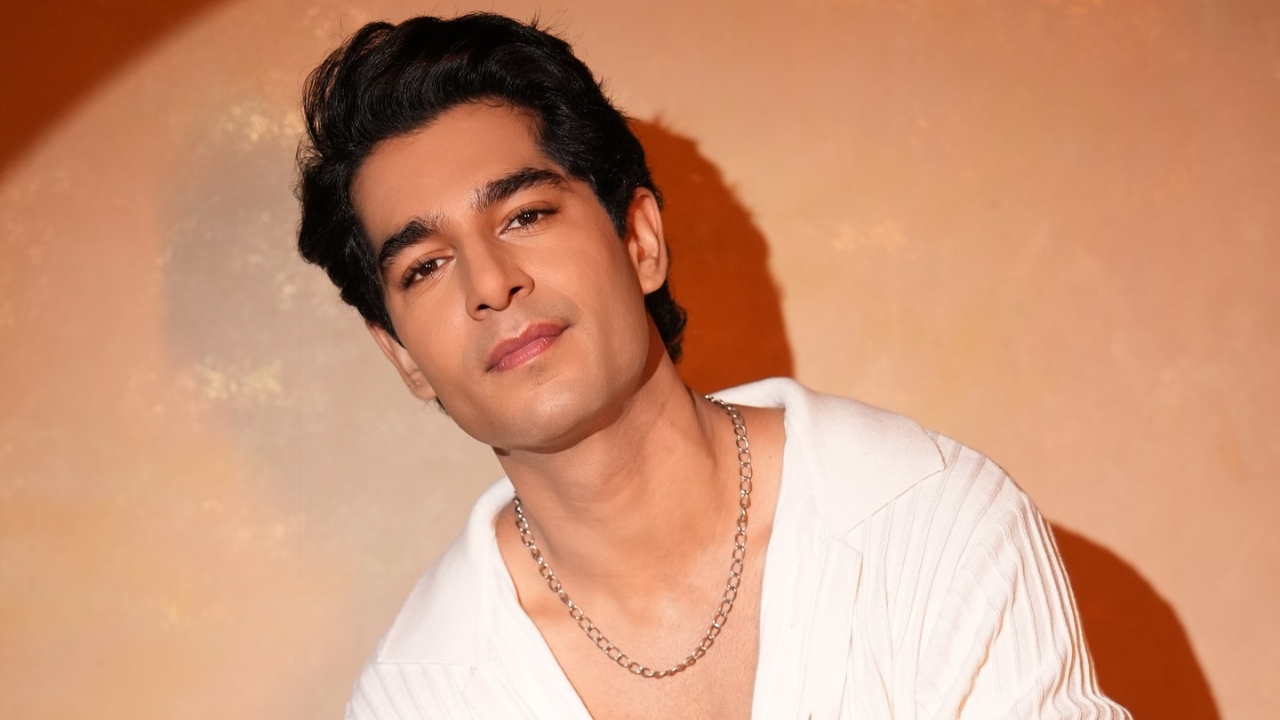
Saiyaara fame Shaan R Grover gets in a candid chat with IWMBuzz and talks about acting, life lessons, his journey and more;
It’s been one year since Saiyaara. Do you still remember your first day on the film’s set? What do you recall most vividly from that day?
Yes, I remember my first day very vividly because I was extremely nervous. Even though Mohit Suri sir had reassured me a few days earlier and told me to let go of the pressure because it wasn’t my film alone, it’s impossible to completely switch off those emotions when you’re stepping onto such a big set. Everything felt grand from the scale of the production to my costumes and I could genuinely feel the weight of being a part of such a film.
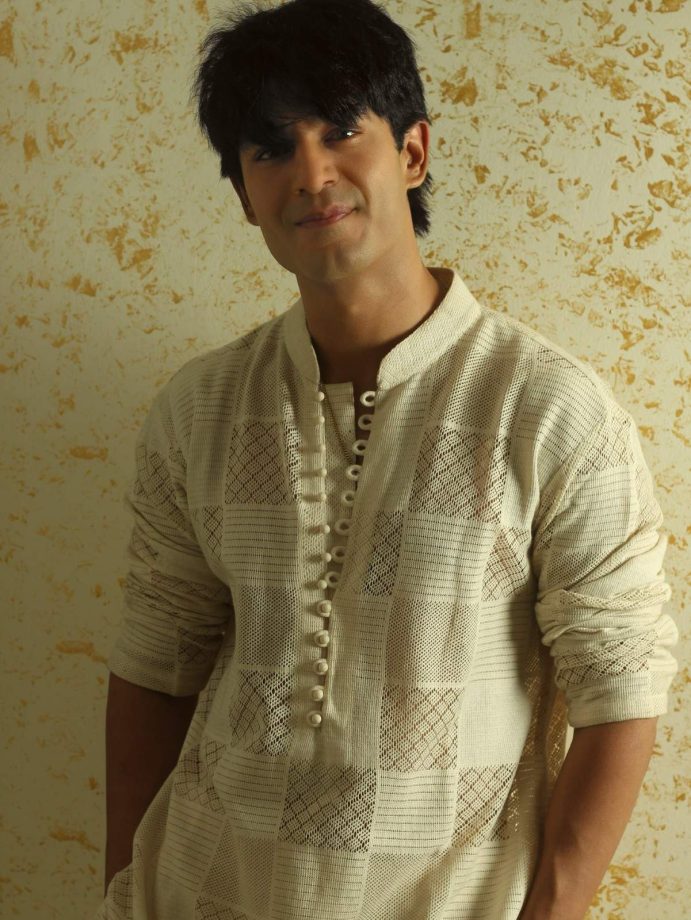
I remember overreacting a little during my very first scene because of those nerves. Mohit sir took me aside and told me to play the character with more romance and charm instead of portraying him like a stereotypical villain. He assured me that he would take care of the negative shades of the character and asked me to simply perform honestly. That advice stayed with me throughout the shoot, and it’s something I’ll always remember.
You shared screen space with Ahaan Panday and Aneet Padda, both making their big-screen debut. While working with them, did you ever sense that they had the potential to become such a sensation after the film’s release?
Definitely. I always believed both of them were exceptionally talented and destined for something big. I had known Ahaan much before Saiyaara. Around 2016–17, when we were both struggling actors, we often spoke about our dreams and believed that one day we’d become actors. So, I had seen his dedication firsthand and knew what he was capable of. I met Aneet much later during the rehearsals for Saiyaara, and the moment I worked with her, I realised she had something very special. So yes, I always had confidence in both of them, although I had witnessed Ahaan’s journey much more closely because we had known each other for years.
Unlike most big releases, Saiyaara relied more on word of mouth than extensive promotions. Were you ever concerned that the lack of aggressive marketing could affect the film’s box office prospects?
Personally, I think the strategy was perfect for a romantic film. The music, visuals and the overall emotional appeal became the biggest marketing tools for the film. I believe audiences should come to theatres because they’re emotionally invested in the story, not because the actors are constantly promoting themselves everywhere. Once the audience gives its verdict, then you can celebrate and enjoy the success. Before that, I think the film itself should speak. The makers trusted the music and the visuals, and I think that decision worked beautifully. That’s exactly how romantic films should be presented.
You played the antagonist in the film. What attracted you to the role, and how challenging was it to make the character believable without reducing him to a stereotypical villain?
I’ll be very honest; I have known Shanoo Sharma for a very long time, and I have immense respect for her. She’s been a mentor to me in many ways. So when he approached me with this role, and I knew it was a Mohit Suri film backed by Yash Raj Films, it was impossible for me to say no. Initially, I didn’t even know how significant the character would eventually become. On paper, it wasn’t a very big role, but I trusted the makers completely, and thankfully, it turned out to be far more impactful than I had imagined.
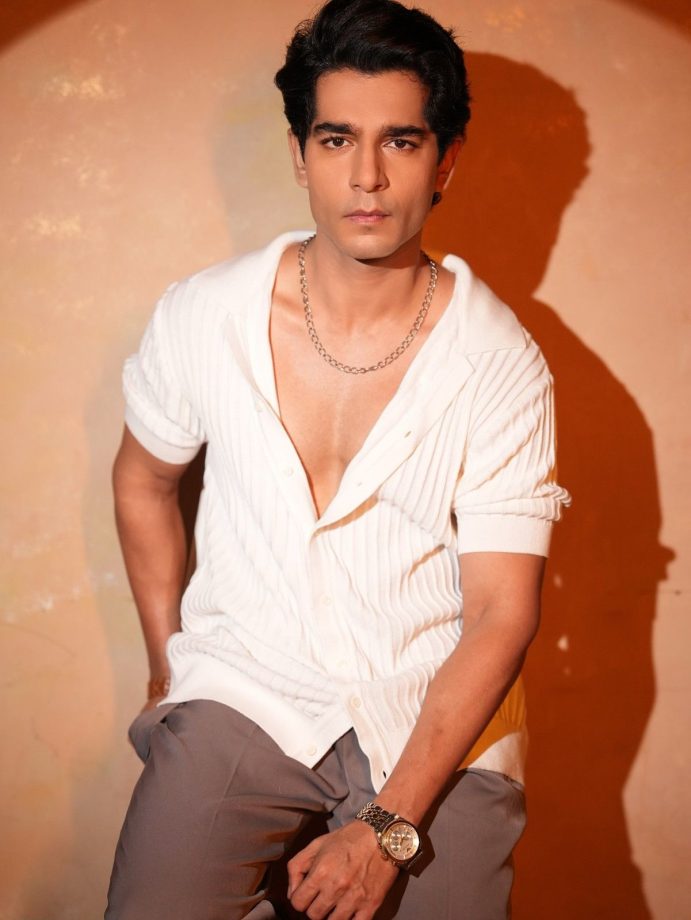
As far as portraying the character is concerned, that’s simply an actor’s responsibility. I don’t relate to negative characters in real life, but that’s where acting comes in. The audience’s reactions even the anger directed towards my character told me they believed my performance, and that’s probably the biggest compliment an actor can receive.
The film’s success brought a lot of appreciation your way. Has Saiyaara changed things for you professionally?
Absolutely. Saiyaara has changed my life in many ways. Today, the industry knows my name, and that’s something I’m deeply grateful for. Having said that, the hustle is still very much alive. I know there’s a lot more I can offer as an actor, and I’m hungry for bigger and better roles that allow me to showcase different aspects of my talent. Last year, I was still trying to process everything that was happening. Even though I was auditioning and meeting people, work wasn’t coming my way as easily as people might assume. This year has been much kinder. I’m currently working on a couple of exciting projects, and I’ll be announcing them very soon.
Before acting in Saiyaar, you had worked as the second unit director on Sanam Teri Kasam. Did your technical background ever come into play while working with Mohit Suri?
Sanam Teri Kasam was a huge learning experience for me, and my technical background definitely helped me understand filmmaking better. One thing I truly admire about Mohit sir is that he genuinely listens to everyone. He would often ask his actors and assistants for their opinions. There were moments when I suggested certain approaches for my character or specific scenes, and he was always open to hearing me out. Sometimes, he even incorporated those ideas.
I don’t think I contributed beyond acting in any major way, but understanding filmmaking from behind the camera definitely makes you a more aware actor. You begin to understand the larger vision of a film, and that naturally reflects in your performance.
Is there a fan reaction or audience response that has stayed with you?
The first couple of weeks after the release were honestly very difficult. My character received an unbelievable amount of hate, and I was genuinely traumatised by it. But then my family and friends reminded me that if people hated the character so passionately, I had done my job well. Gradually, that hate transformed into appreciation for my performance. Today, I receive gifts, handwritten notes and so much love from fan pages dedicated to the film and its characters. Those gestures mean everything to me because that’s what every actor dreams of—to create an impact strong enough for audiences to remember you.
Sanam Teri Kasam found tremendous love during its re-release. What changed?
I was very young when Sanam Teri Kasam was released, so I don’t think I’m the right person to fully analyse what happened commercially. Everything seemed to be going well. The songs were popular, audiences were excited, and critics appreciated the film. Sometimes, however, every film has its own destiny. Perhaps it was destined to receive the love it eventually got years later. I don’t necessarily believe the original release lacked marketing. Sometimes, great films simply find their audience at a different point in time, and that’s exactly what happened with Sanam Teri Kasam. I leave those things to God because some journeys are simply meant to unfold that way.
Looking back, how would you describe your journey?
My journey has been beautiful, fulfilling and full of ups and downs. I’ve experienced success, rejection, happiness and disappointment, and every phase has taught me something valuable. Today, I take life one day at a time. Nothing affects me as intensely as it once did, whether it’s success or failure. Looking back, I wouldn’t want to change anything because every experience has shaped me into the person and actor I am today.
Was breaking into the industry tougher than you expected?
Much tougher than I had imagined. Coming from theatre, being a trained dancer and having experience behind the camera, I thought things would happen much faster. But the industry has its own pace. I auditioned for countless projects, faced repeated rejections, dealt with periods of self-doubt, overconfidence, injuries—including a shoulder ligament tear—and many emotional challenges. I initially believed I’d establish myself within three years, but it’s been almost a decade. The biggest lesson has been that success takes time, and today I genuinely believe in moving forward steadily without rushing the process.
What has been your biggest learning?
The biggest lesson has been emotional balance. If a film becomes successful, celebrate it for a day or two and then move forward. Similarly, if something doesn’t work, allow yourself to feel disappointed, but don’t stay there. I’ve learned not to let success inflate me or failure break me. As an actor, filmmaker and as a person, staying emotionally balanced has become my biggest strength.
After the success of Saiyaara, what kind of roles excite you now?
Honestly, everything excites me. I simply want to work. I’m open to films, web series and any role that challenges me as an actor. I’d love to collaborate with directors like Vishal Bhardwaj, Karan Johar, Aditya Chopra and, of course, Mohit Suri again because working with him has been incredibly special for me.
In terms of genres, psychological thrillers, horror, action and emotionally driven dramas really interest me. I’m trained in martial arts as well, so I’d love to explore action more in the future. At this stage of my career, I’m hungry to experiment and constantly push myself as an actor.