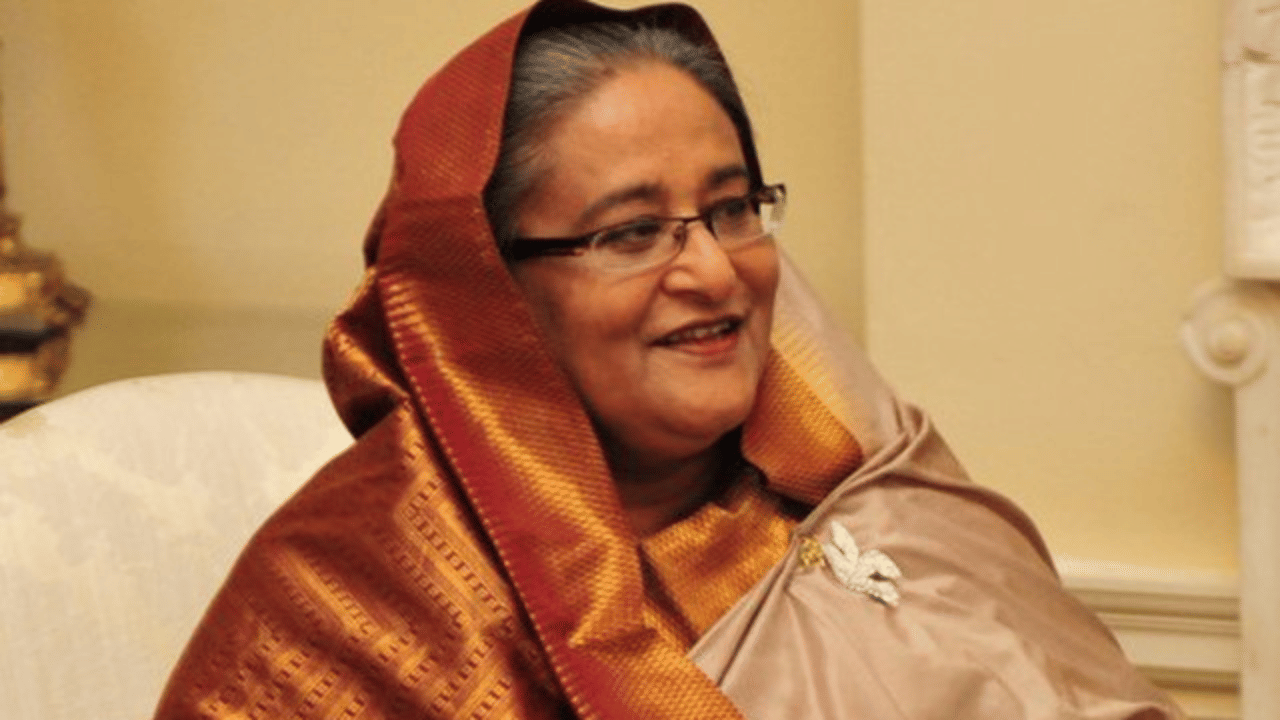
New Delhi: Former Bangladesh Prime Minister Sheikh Hasina, who was ousted from power, has been living in India under asylum. The Bangladesh government has requested for the extradition of former premier Sheikh Hasina, and now, India has said on Friday that it is examining the request as part of judicial and legal processes, while emphasising that New Delhi will engage constructively with all stakeholders on the matter.
The Hasina point in India-Bangladesh relation
In April 8 this year, when Bangladesh foreign minister Khalilur Rahman met external affairs minister S Jaishankar in New Delhi, the former raised the matter. The bilateral ties between the two countries became strained after the ouster of Hasina and former Chief Adviser Muhammad Yunus came to power. However, after Tarique Rahman became the country’s Prime Minister, India is forging a working relationship with the new government in Dhaka.
Since August 2024, Hasina has lived in self-exile in India since she fled Bangladesh as the student-led protests brought down the her government. In December 2024, Bangladesh’s former interim government first made the request for her extradition.
Ministry of External Affairs spokesperson, Randhir Jaiswal, has told the Hindustan Times, “The request is being examined as part of ongoing judicial and internal legal processes. We will continue to engage constructively on the issue with all stakeholders.” After Khalilur Rahman met Jaishankar, Bangladesh’s foreign ministry issued a statement in which it “reiterated its request to extradite Hasina and her home minister Asaduzzaman Khan Kamal” as the International Crimes Tribunal had given them death penalty.
Hasina has formally launched a defiant challenge against the International Crimes Tribunal (ICT). Her legal team has filed an appeal to cancel the death sentence recently awarded to her, labelling the entire judicial process a “politically motivated sham” that flagrantly violates international law. On March 30, 2026, Hasina’s lawyers submitted a comprehensive letter to the tribunal, demanding an immediate stay of the execution and a total reversal of the verdict. The appeal centres on the claim that the trial was conducted in absentia, a practice rarely permitted under international norms.