New Delhi: India’s smartphone market is showing clear signs of stress as 2026 begins, with shipments declining and pricing pressure building across segments. The slowdown reflects rising component costs, cautious consumer spending, and longer upgrade cycles.
According to data from Counterpoint Research, smartphone shipments in India fell 3 per cent year-o-year in Q1 2026. This marks the weakest first quarter in six years, even as brands pushed more launches into the market to manage rising costs.
Cost pressures and weak demand hit volumes
The report highlights that memory prices and currency pressure are pushing device costs higher. Brands have increased prices across several models, which is slowing demand, especially in the entry-level segment.
Senior Analyst Prachir Singh said, “The market is facing a clear affordability squeeze, driven by sharp memory-led cost inflation and currency pressures that have forced OEMs to raise prices across key models.”
He added that price hikes of over Rs 1,500 are hitting the sub-Rs 15,000 category the hardest. That is where most buyers are highly price sensitive, so even small increases matter.
Brands that managed to grow
Even in a weak quarter, a few brands performed well. vivo led the market with a 21 per cent share, supported by a wide portfolio and strong offline reach. Samsung followed with steady demand in its A-series and early response to its flagship lineup.
OPPO also held its position with growth driven by budget and mid-range models. Xiaomi and realme continued to see traction in the Rs 10,000 to Rs 20,000 segment.
Some newer and premium-focused brands stood out too. Nothing, including its CMF lineup, emerged as the fastest-growing brand with 47 per cent year-on-year growth. Google was the fastest-growing brand in the premium segment above Rs 45,000, growing 39 per cent, driven by its focus on AI features and visibility efforts.
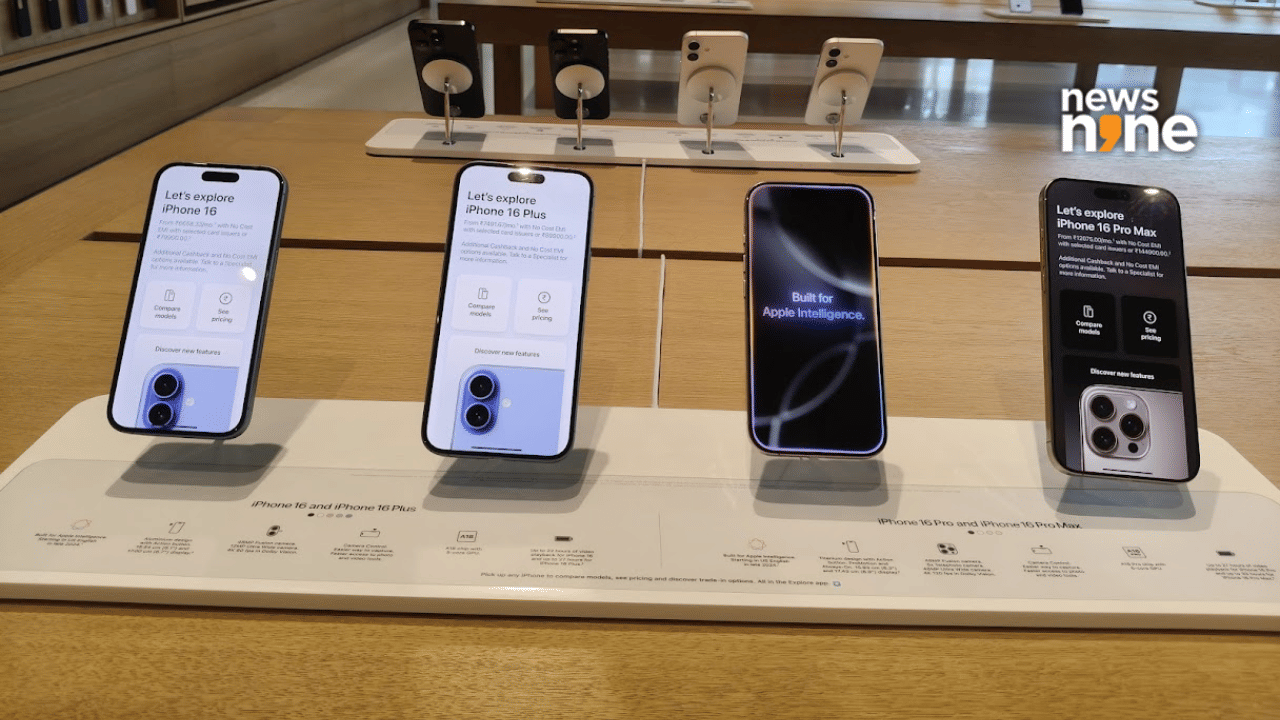
Apple also increased its share to 9 per cent, supported by steady demand for its latest iPhone models and retail offers.
Premium segment stays stable
The premium segment is holding up better than the rest of the market. Brands are now focusing more on higher value devices to protect margins, as entry-level demand remains weak.
This shift toward premiumisation is becoming more visible across portfolios and marketing strategies.
Outlook remains under pressure
The near-term outlook is still challenging. Research Director Tarun Pathak said, “India’s smartphone market is expected to remain under pressure in the near term, with Q2 2026 likely to see a double-digit decline.”
He added that the market could decline by around 10 per cent for the full year, as rising costs continue to affect affordability.