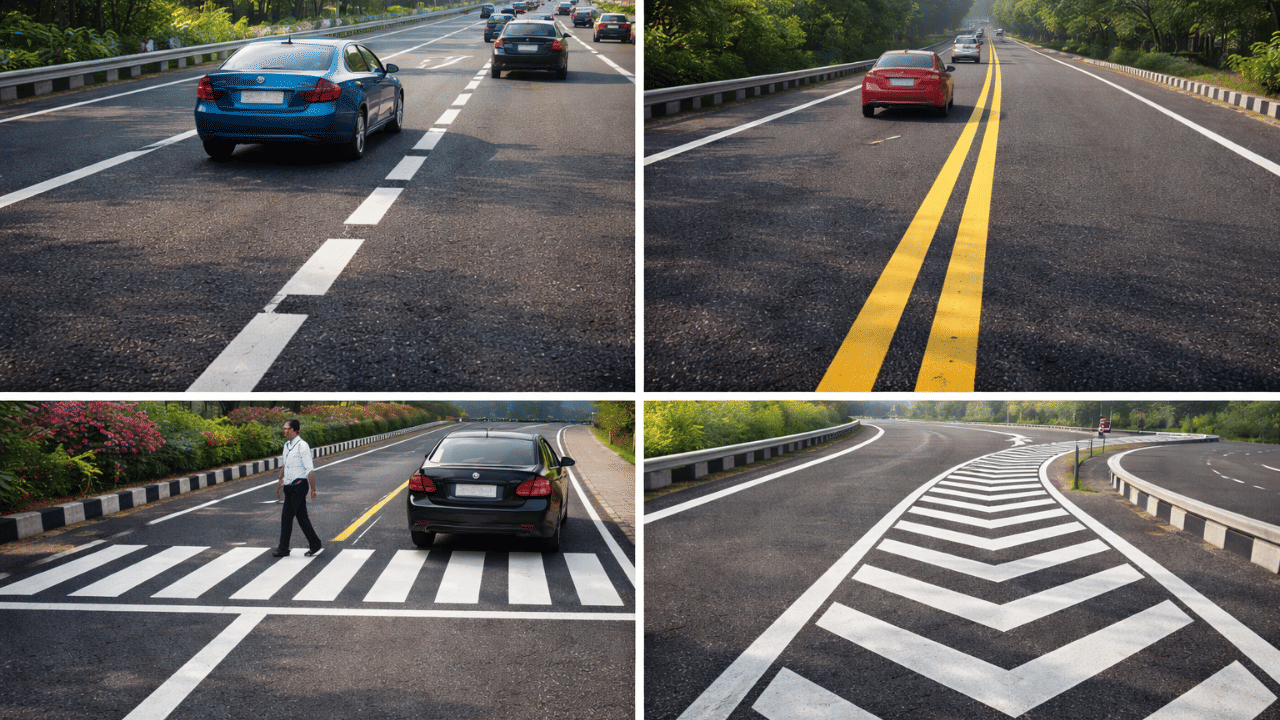
New Delhi: Most people see road markings every day, but very few actually think about what they mean. These lines are not just painted on the road. They quietly tell drivers where to go, when to stop, and what not to do. Still, a lot of drivers either ignore them or just don’t understand them properly.
That’s where the problem starts. Wrong overtakes, random lane changes, sudden braking, all of this often comes from not paying attention to these markings. With traffic getting worse day by day, knowing these basic signs is no longer optional. It actually makes driving safer and less chaotic.
Broken white line
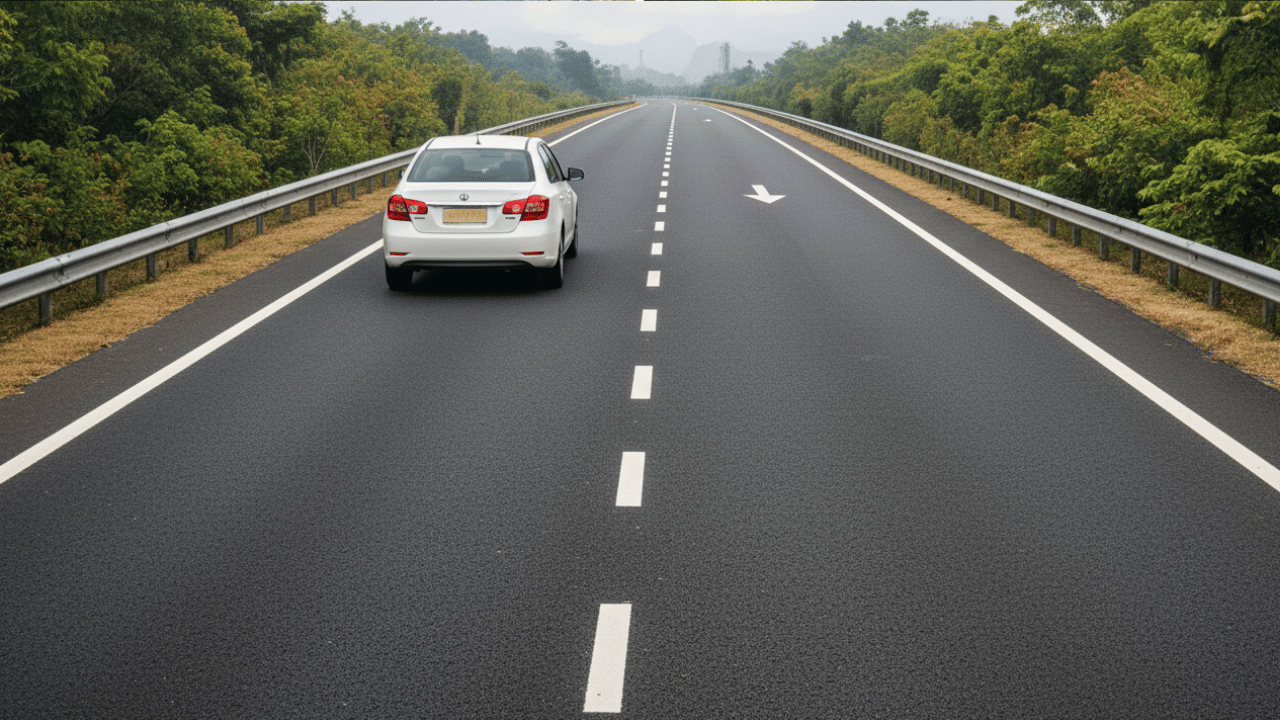
Broken white line
This line separates lanes going in the same direction. You can switch lanes, but only when it’s safe. It’s very common on highways and main roads where traffic keeps moving.
Solid white line
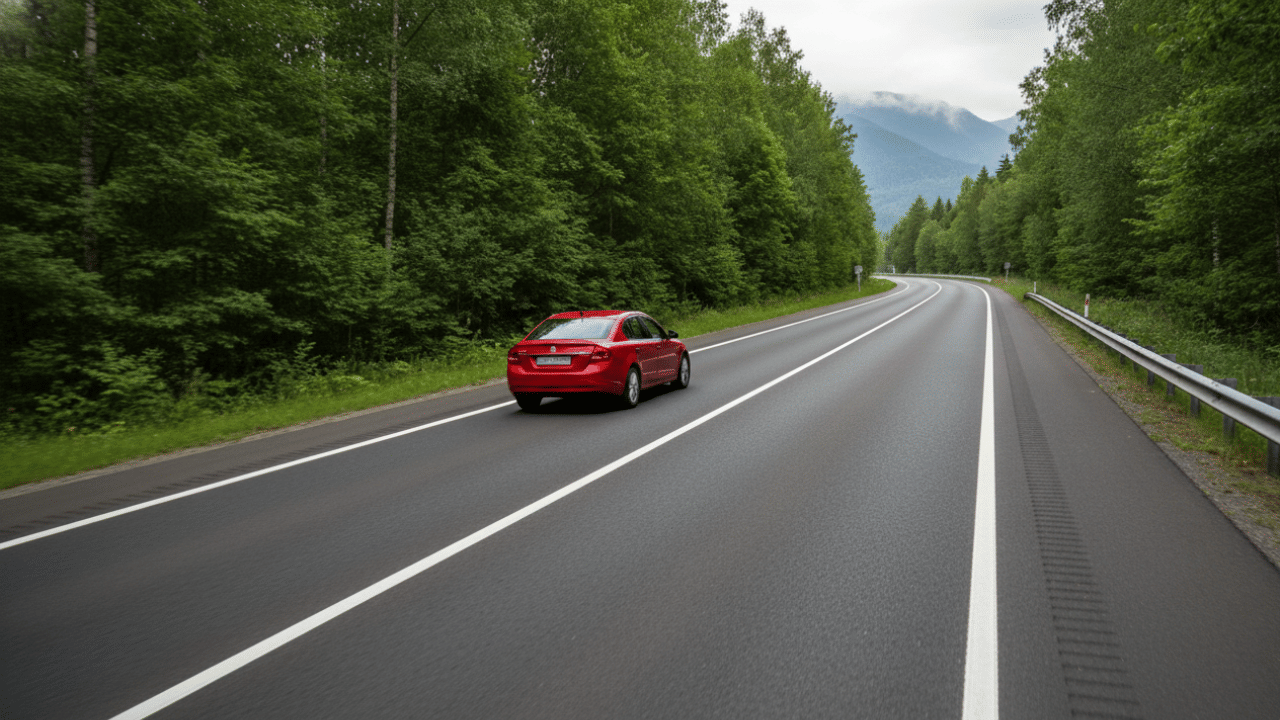
Solid white line
A solid white line is more like a warning. It tells you to stay in your lane. You can cross it if needed, but it’s better not to unless there’s a strong reason.
Double solid white line
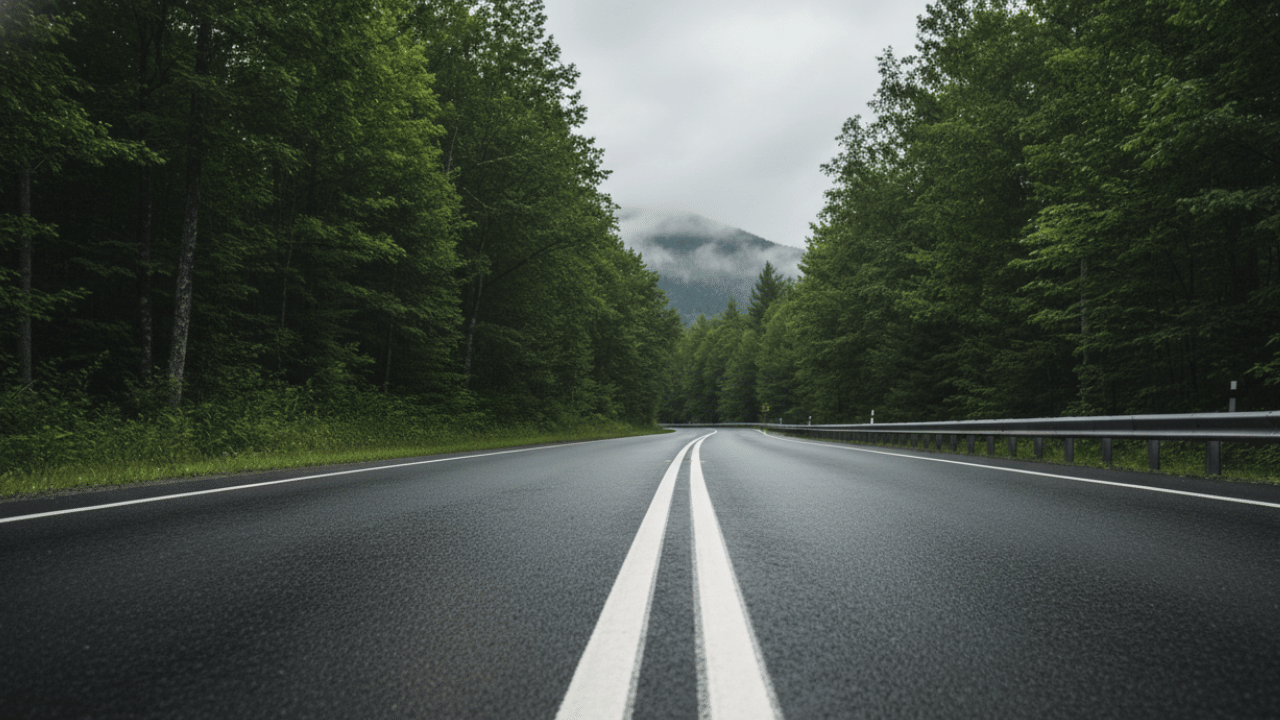
Double solid white line
Two solid white lines mean don’t change lanes at all. These are usually placed in areas where even a small mistake can cause trouble, like near crossings or sharp turns.
Broken yellow line
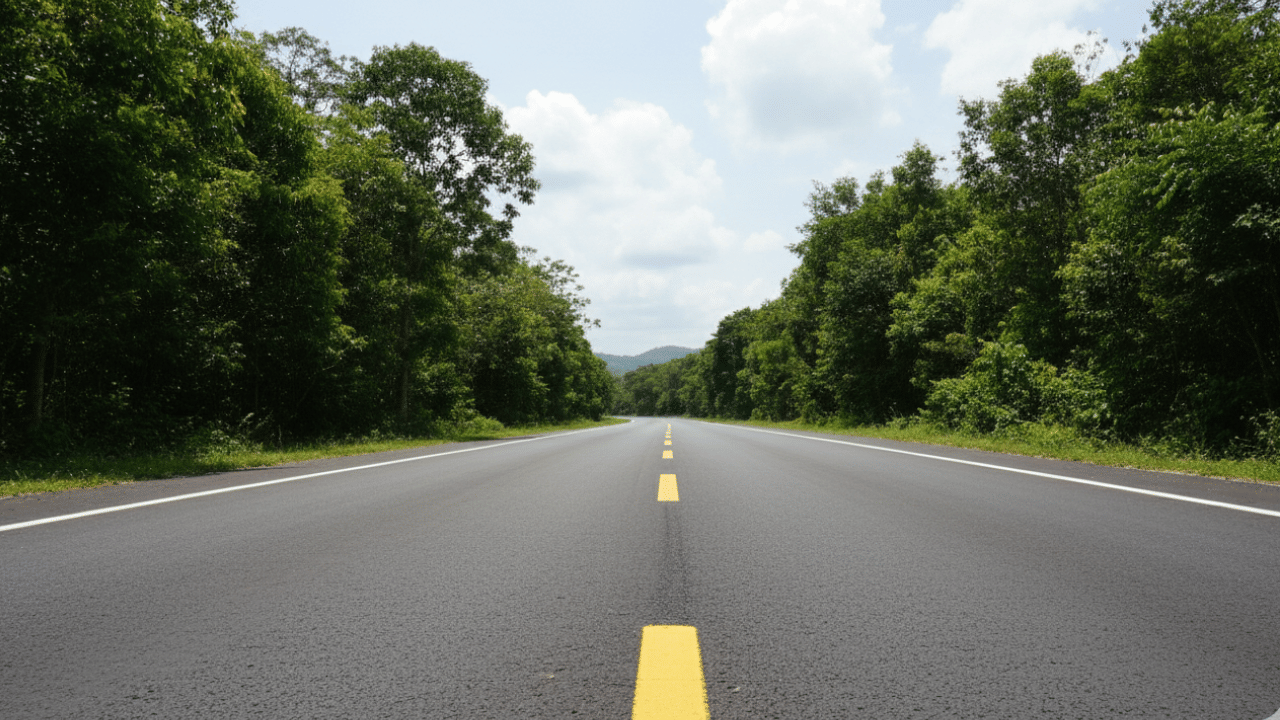
Broken yellow line
This one is seen on roads with traffic in both directions. It allows overtaking, but only if the road ahead is clearly visible and safe.
Solid yellow line

Solid yellow line
A solid yellow line means no overtaking. You’ll mostly find this on narrow roads or curves where you can’t see what’s coming from the other side.
Double yellow line
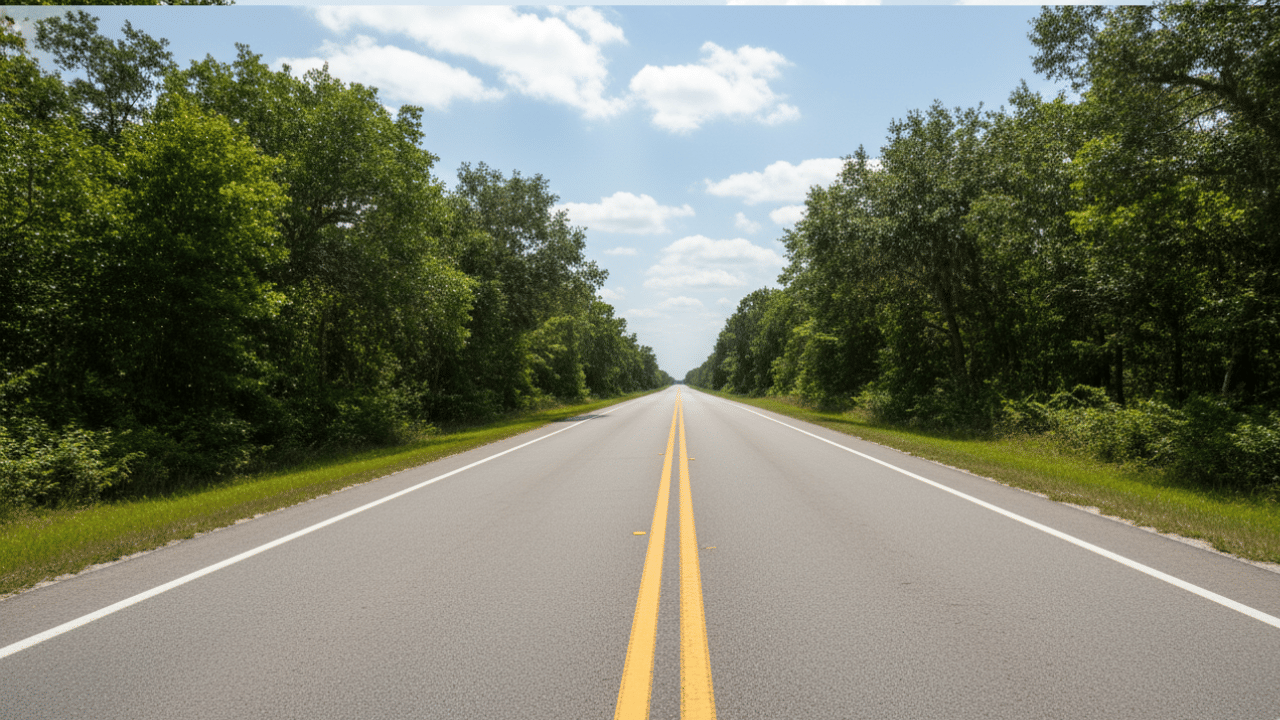
Double yellow line
This is stricter. No overtaking from either side. It’s used on roads where going into the opposite lane can be really dangerous.
Zebra crossing
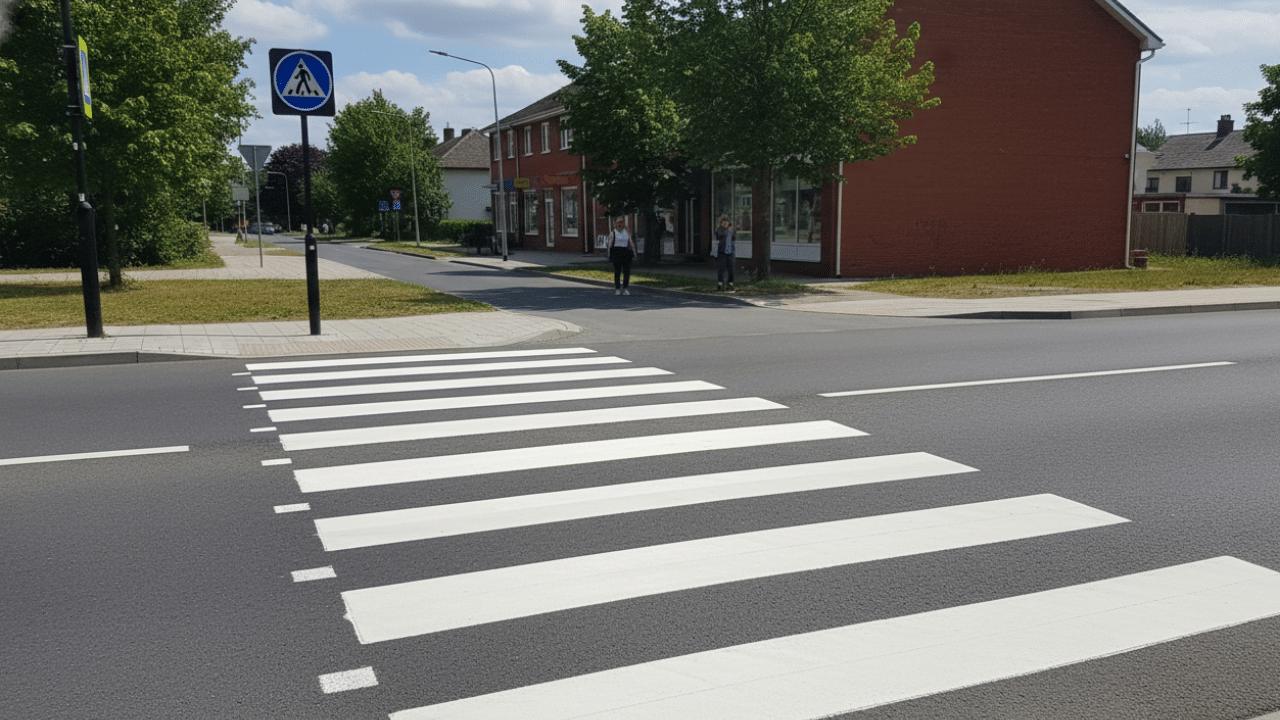
Zebra crossing
These white stripes are for pedestrians. If someone is waiting to cross, drivers are supposed to slow down and stop. Simple, but often ignored.
Stop line
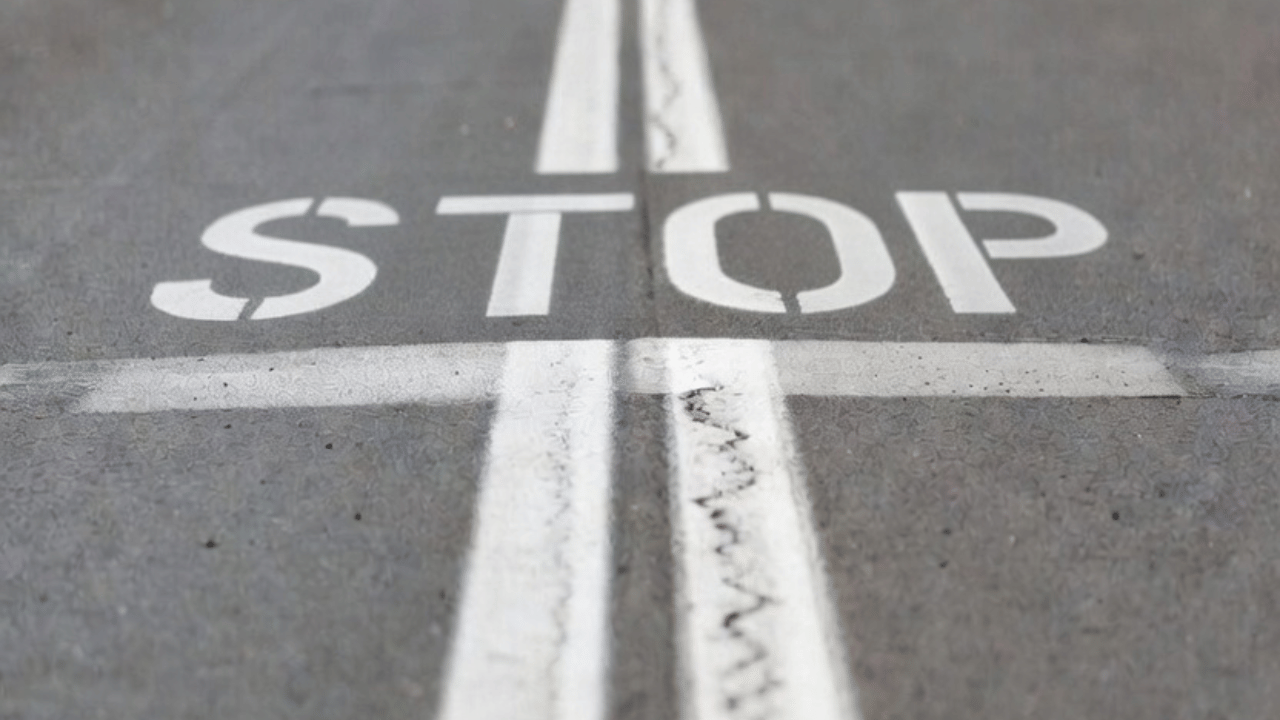
Stop line
This is the thick white line before a signal or junction. Your vehicle should stop before this line, not on it. It helps keep the crossing area clear.
Chevron markings
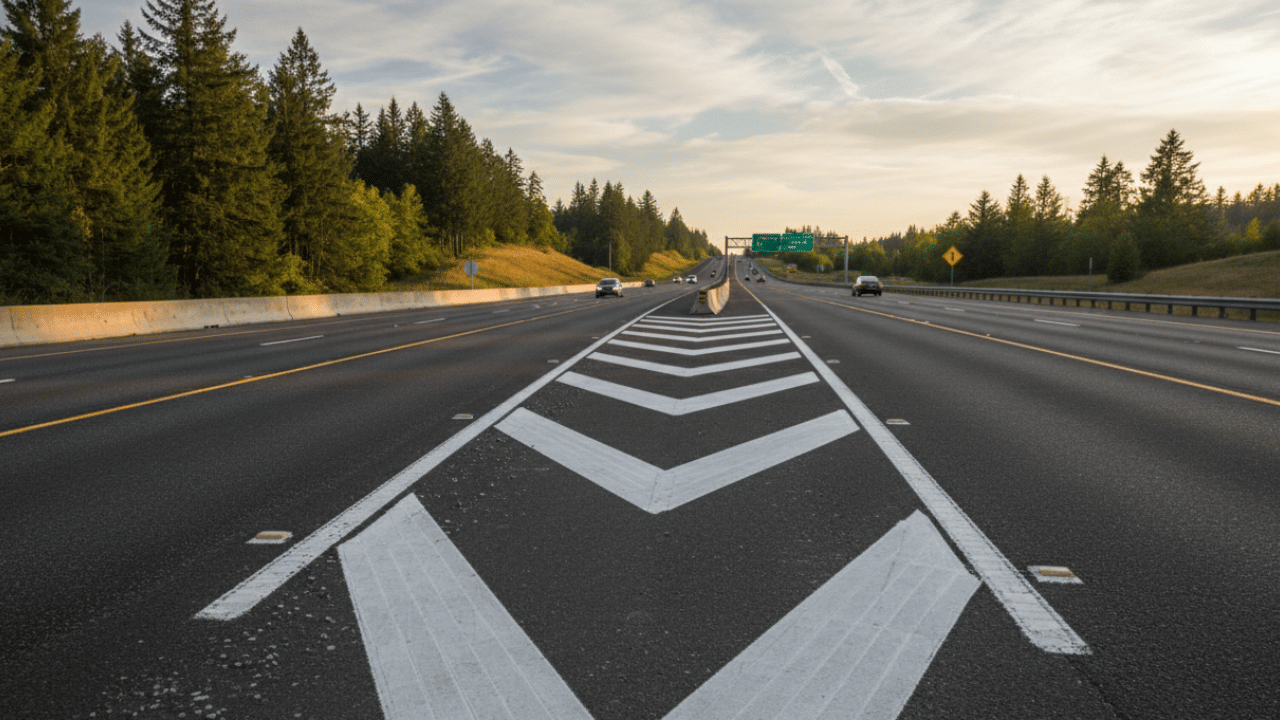
Chevron markings
These are the slanted lines you see near dividers or exits. They mark areas where vehicles shouldn’t go. They’re not extra space, they’re there to guide traffic.