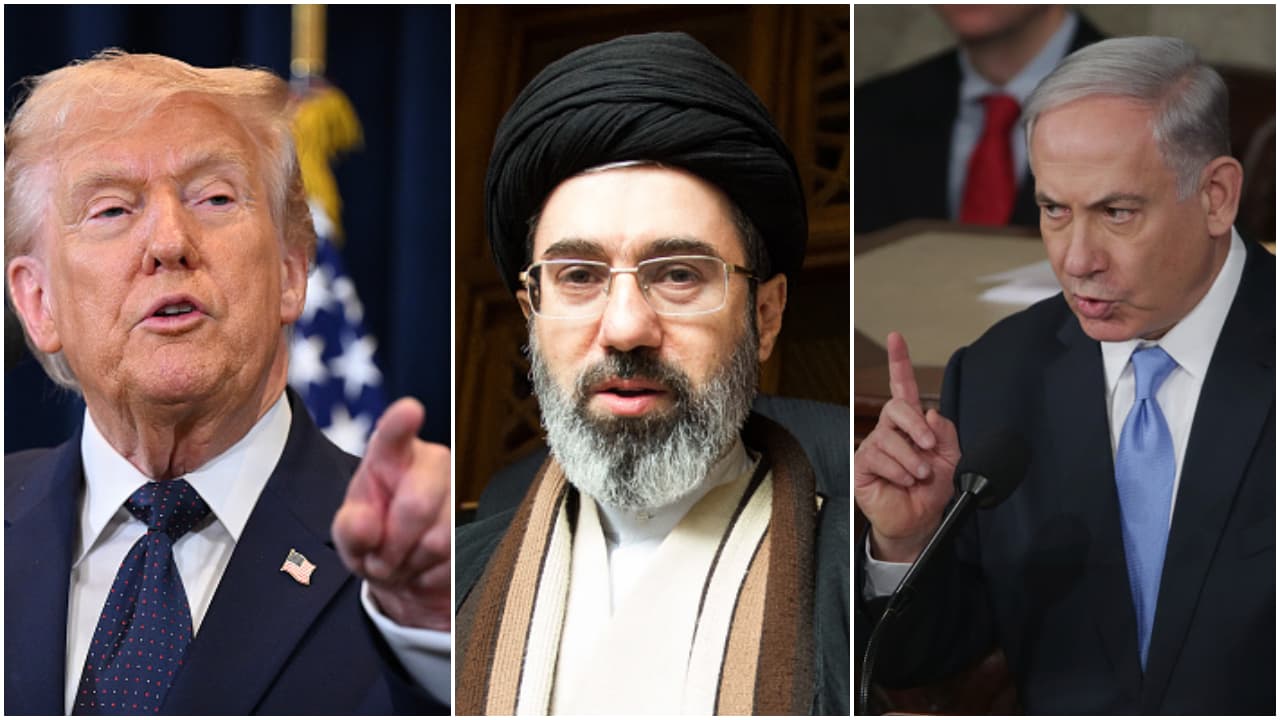
US-Iran tensions have sharply escalated after the US announced a naval blockade of the Strait of Hormuz, a vital global oil route. The move followed the collapse of diplomatic talks and prompted a fierce response from Iran, which warned of severe consequences and military retaliation.
Tensions between Iran and the United States have escalated sharply after President Donald Trump announced a naval blockade of the strategically vital Strait of Hormuz, triggering a fierce response from Tehran. The move comes immediately after the collapse of high-stakes negotiations between the two countries in Islamabad, pushing the region closer to a wider conflict.
In a stark warning, Iran’s Islamic Revolutionary Guard Corps (IRGC) declared that any hostile move by the United States would have severe consequences. “The enemy will become trapped in a deadly vortex in the Strait if it makes the wrong move,” the Guards said in a statement, underscoring Iran’s readiness to retaliate militarily.
The Strait of Hormuz, through which nearly 20% of global oil supply passes, has become the focal point of the standoff. Iran has asserted that it maintains full control over the waterway, adding that all maritime traffic is under the supervision of its armed forces. While Tehran has said civilian vessels can pass under specific regulations, it warned that any military presence near the Strait would be treated as a violation of the fragile ceasefire and “dealt with severely.”
Trump’s decision to impose a blockade marks a significant escalation. He announced that US forces would intercept ships entering or leaving the Strait, aiming to prevent Iran from leveraging control over the key shipping route. The US has also signaled it could target Iranian infrastructure if tensions continue to rise, further intensifying the standoff.
Also Read: Iran blames US ‘maximalism’ as high-level talks end in stalemate
Iran has strongly rejected the move, calling it provocative and warning of a “forceful response” to any interference. Officials in Tehran have reiterated that they will not bow to pressure or threats, maintaining that their strategic position in the Strait is non-negotiable.
The breakdown of diplomatic talks has compounded the crisis. Negotiations aimed at de-escalation failed after disagreements over Iran’s nuclear programme and US demands, leaving both sides entrenched in their positions. The blockade announcement has effectively ended hopes of an immediate resolution.
Global concerns are mounting as the situation threatens energy supplies and economic stability. Oil prices have surged amid fears of prolonged disruption, with major economies closely monitoring developments in the region.
Experts warn that the blockade could be seen as an act of war, increasing the risk of direct military confrontation. With US naval forces moving into position and Iran issuing explicit threats, the potential for miscalculation remains high.
As both sides exchange warnings and prepare for possible escalation, the Strait of Hormuz has once again become a flashpoint in global geopolitics—one where even a small misstep could trigger far-reaching consequences.
Also Read: Strait of Hormuz belongs to all, says Iran amid escalating US tension