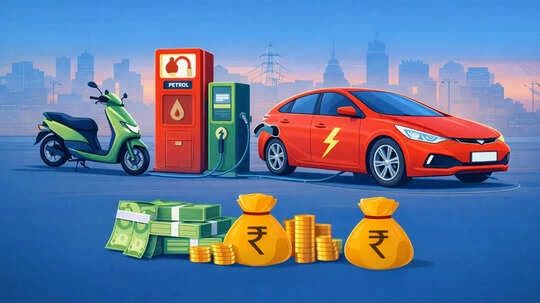
Delhi’s draft Electric Vehicle Policy 2026 introduces sharper incentives, phased fossil-fuel exit timelines and clearer tax benefits and this matters now because buyer eligibility, savings and future vehicle choices will change starting next year.
Within its first few pages, the policy confirms higher purchase-linked subsidies, mandatory electrification dates along with revised tax exemptions that directly affect two-wheeler, car and commercial EV buyers. For Indian consumers planning an EV purchase or replacement, this draft signals when buying early makes financial sense and when petrol or diesel options may no longer be viable in Delhi.
Updated EV Incentives And Who Benefits Most
The draft policy restructures incentives based on vehicle type, battery size and registration timing. Electric two-wheelers priced under Rs 2.25 lakh remain the most supported, with incentives linked to battery capacity and tapering annually. Electric auto-rickshaws and small goods carriers receive fixed cash incentives that reduce over time, encouraging faster adoption.
A major change is the introduction of a scrappage-linked incentive for electric cars, capped at Rs 1 lakh for eligible buyers replacing older BS-IV or earlier vehicles. This is limited to cars priced under Rs 30 lakh and to the first set of applicants. This makes early action critical. All incentives are structured as direct benefit transfers, reducing dealer dependency and improving transparency for buyers.
Road Tax Exemptions, Hybrids And Registration Rules
The draft confirms full road tax and registration fee exemption for electric vehicles priced up to Rs 30 lakh until March 2030. Strong hybrid cars receive only partial relief, not parity with EVs which clarifies the government’s stance on pure electrification over transitional technologies.
From a buyer’s perspective, the most consequential change is the timeline for fossil-fuel registrations. New electric-only registrations for three-wheelers begin January 2027, followed by two-wheelers from April 2028. Petrol and diesel options will still exist for now, but resale value, financing and long-term usability in Delhi will be affected well before these cutoff dates.
Charging Access, Buyer Convenience And Everyday Use
The policy places responsibility for charging access across manufacturers, power utilities and public agencies. OEMs must install charging stations at dealerships while a single-window system is proposed to speed up public and residential charger deployment.
For buyers, this reduces one of the biggest EV adoption risks: inconsistent charging availability. Community charging points, battery swapping for high-usage segments and digitised approvals are designed to support daily urban use rather than only early adopters. While execution remains the key variable, the framework directly addresses range anxiety and charging delays that previously deterred mainstream buyers.