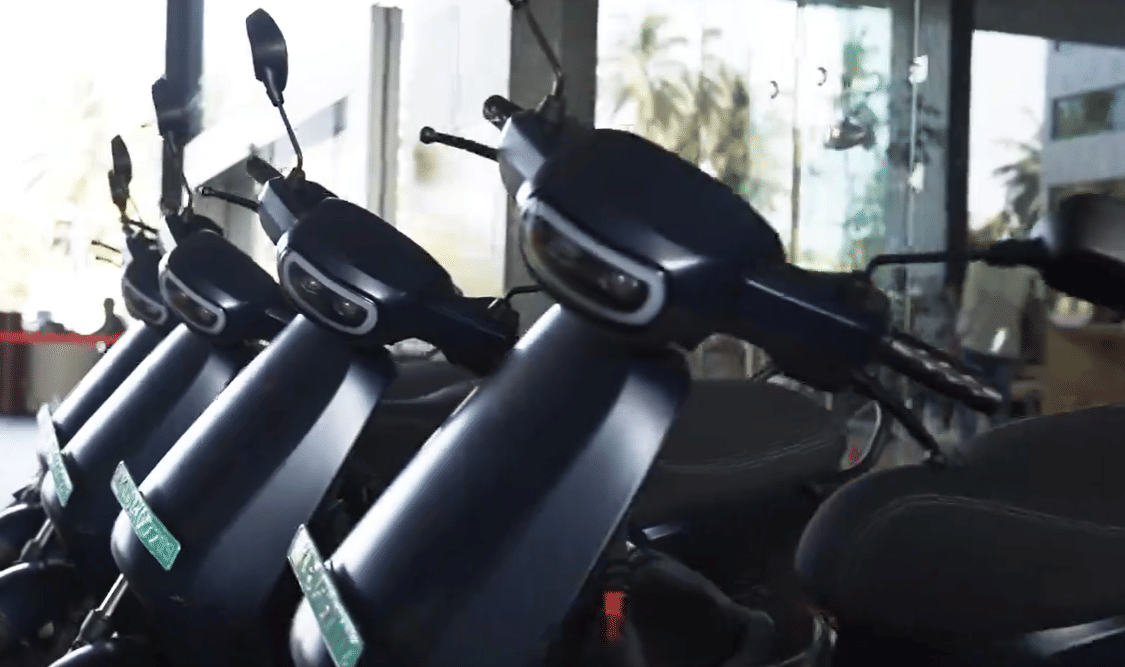
New Delhi: Delhi is gearing up to make a big change in city transport, and a new draft policy suggests a total ban on petrol two-wheelers by 2028. The relocation is a part of a larger plan to address the increasing air pollution and speed up the process of electric vehicle (EV) adoption in the capital.
The Electric Vehicle Policy 2026-2030 draft by the Delhi Transport Department has a gradual approach to cleaner mobility. The policy has undergone a 30-day open feedback period where the citizens, industry players, and experts can give their input prior to its approval.
Petrol two-wheelers and autos to be phased out
The proposal to have the phased ban of petrol-powered vehicles in major segments is one of the most influential.
The draft states that new registrations of electric three-wheelers will only be permitted as of January 1, 2027. This will be preceded by a tighter restriction on two-wheelers; only the electric ones will be allowed starting April 1, 2028.
The policy is also directed towards business fleets. Aggregator services, such as delivery and ride-sharing services, will not be permitted to have any new petrol or diesel vehicles as of January 1, 2026. Existing BS-VI vehicles in these fleets will only be allowed until the end of 2026. The transition, according to the officials mentioned by the Transport Department, is meant to be gradual in order to prevent disruption.
School buses and government vehicles to go electric
The draft is a move to electrify more than just personal vehicles and institutional-sized fleets.
School buses will be phased out, aiming to have 10% electrification in the second year, 20% in the third year and 30% by 2030. In the meantime, any new government vehicles will be electric, and any new hired or leased government vehicles will immediately be converted to EVs upon policy notification.
New intra-state buses too will transition to an electric system, though in the future some cleaner options such as hydrogen might be available.
Incentives, tax benefits and scrappage push
The policy proposes financial incentives to EV buyers to increase adoption.
Subsidies will be attached to battery capacity on electric two-wheelers that have a price of up to Rs 2.25 lakh. These incentives, however, will decrease in 3 years. Depending on the conditions, electric cars could receive up to Rs 1 lakh benefits.
The draft also suggests scrap incentives of between Rs 10,000 and 1 lakh to replace old vehicles. In addition, eligible EVs will get full exemptions on road tax and registration fees. Powerful hybrid cars will be partially favoured.
Charging infrastructure expansion plan
A strong charging network is central to the policy.
Delhi Transco Limited (DTL) will be the first company to implement EV charging and battery-swapping systems. Part of the plan will be a single-window clearance system and a single digital platform to accelerate approvals and deployment.
The manufacturers will also be mandated to have charging stations in dealerships, which will enhance accessibility for EV users on the last mile.
Battery recycling and sustainability measures
Battery waste is another issue that is covered by the draft policy.
Extended Producer Responsibility (EPR) rules will ensure that battery recycling is done by the Delhi Pollution Control Committee. To allow reuse and safe disposal, a battery tracking system will be introduced.
Officials mentioned that this action is essential to avoid environmental problems associated with the adoption of EVs on a large scale.
Digital system and EV fund for implementation
The whole procedure according to the policy will be online. Direct Benefit Transfer (DBT) will be used to carry out applications, approvals, and the payment of subsidies online.
The rollout will be funded by a special EV fund. It will be assisted by state funds, central initiatives such as PM E-DRIVE, and environmental taxes.
Aim: Cleaner air and faster EV adoption
The EV policy draft in Delhi is expected to greatly lower the emissions of vehicles, which is a major contributor to the air pollution crisis in the city, particularly during winter.
The government is trying to develop a systematic and modularised shift to electric mobility within the next ten years by integrating rigid schedules, incentives, infrastructure growth, and regulatory assistance.