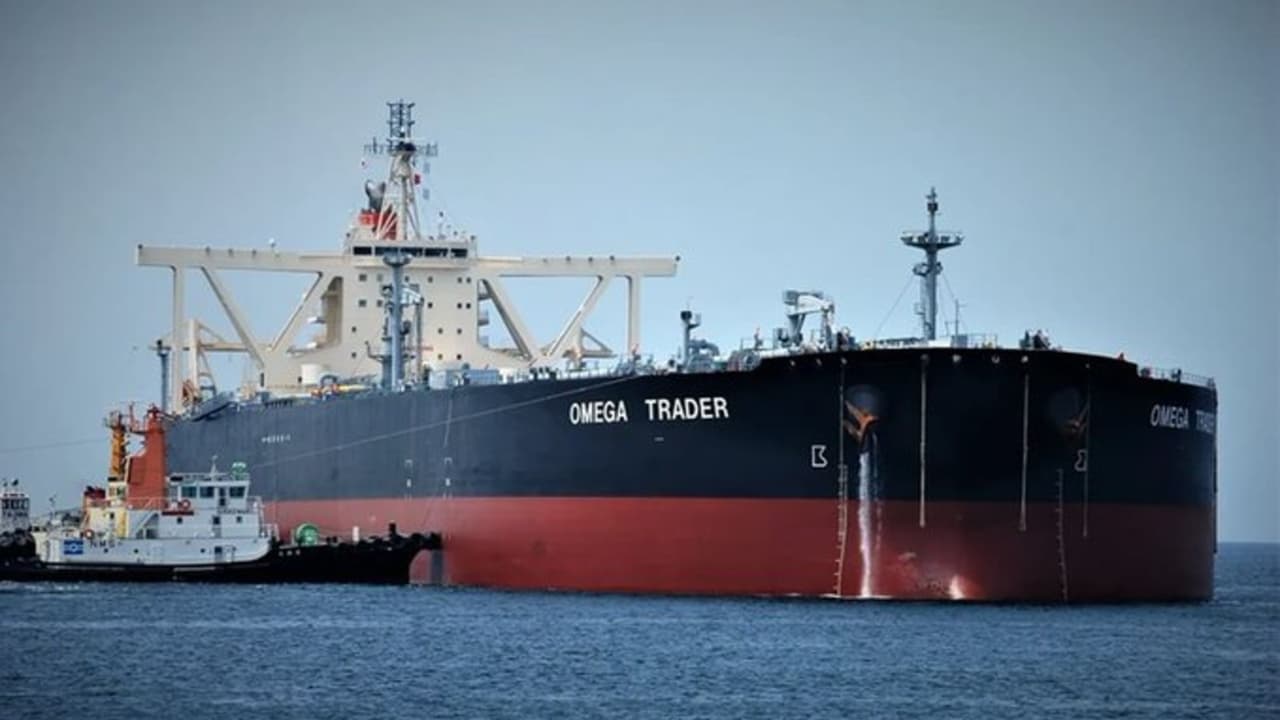
Iran plans a $1-per-barrel toll on oil tankers in the Strait of Hormuz, payable in cryptocurrency. Officially for security monitoring, the move allows Iran to assert control and bypass sanctions. The plan has raised international concerns over increased shipping costs and potential disruptions to global oil supply.
Iran is preparing to impose a $1-per-barrel toll on oil tankers passing through the strategically critical Strait of Hormuz, marking a significant shift in control over one of the world’s busiest energy corridors. The proposed fee, to be paid in cryptocurrency, comes amid a fragile ceasefire between Iran and the United States and signals Tehran’s intent to assert tighter authority over global oil transit routes.
According to reports, shipping companies will be required to submit cargo details in advance, after which Iranian authorities will calculate the toll based on the volume of oil carried. Payments would then need to be made in digital currencies such as Bitcoin within a limited time window.
Iranian officials have framed the move as a security and monitoring measure. Hamid Hosseini, spokesperson for Iran’s Oil, Gas and Petrochemical Products Exporters’ Union, said, “Iran needs to monitor what goes in and out of the strait to ensure these two weeks aren’t used for transferring weapons.”
Also Read: Iran Shuts Strait of Hormuz Again After Israel Strikes Lebanon With 100 Missiles In 10 Minutes
The plan also introduces stricter navigation protocols. Tankers may be required to use routes closer to Iran’s coastline and undergo inspections before receiving clearance. Officials indicated that while loaded oil tankers would be subject to the toll, empty vessels could pass without charges.
The Strait of Hormuz handles nearly 20% of the world’s oil supply, making any regulatory change highly sensitive for global markets. Analysts warn that even a seemingly small fee per barrel could significantly increase shipping costs, especially for large crude carriers transporting millions of barrels per voyage.
The proposal is also seen as a way for Iran to bypass traditional financial systems amid ongoing sanctions, while generating revenue for reconstruction and military needs.
However, the move has raised concerns internationally. Countries reliant on stable oil flows fear disruptions, while some, including India, have reportedly opposed the idea of tolls on what has historically been treated as an open international waterway.
As ceasefire negotiations continue, Iran’s toll plan adds a new layer of geopolitical tension, potentially reshaping global energy trade and maritime norms in the region.
Also Read: Iran Threatens to Quit Islamabad Talks Amid Ceasefire Violation Claims