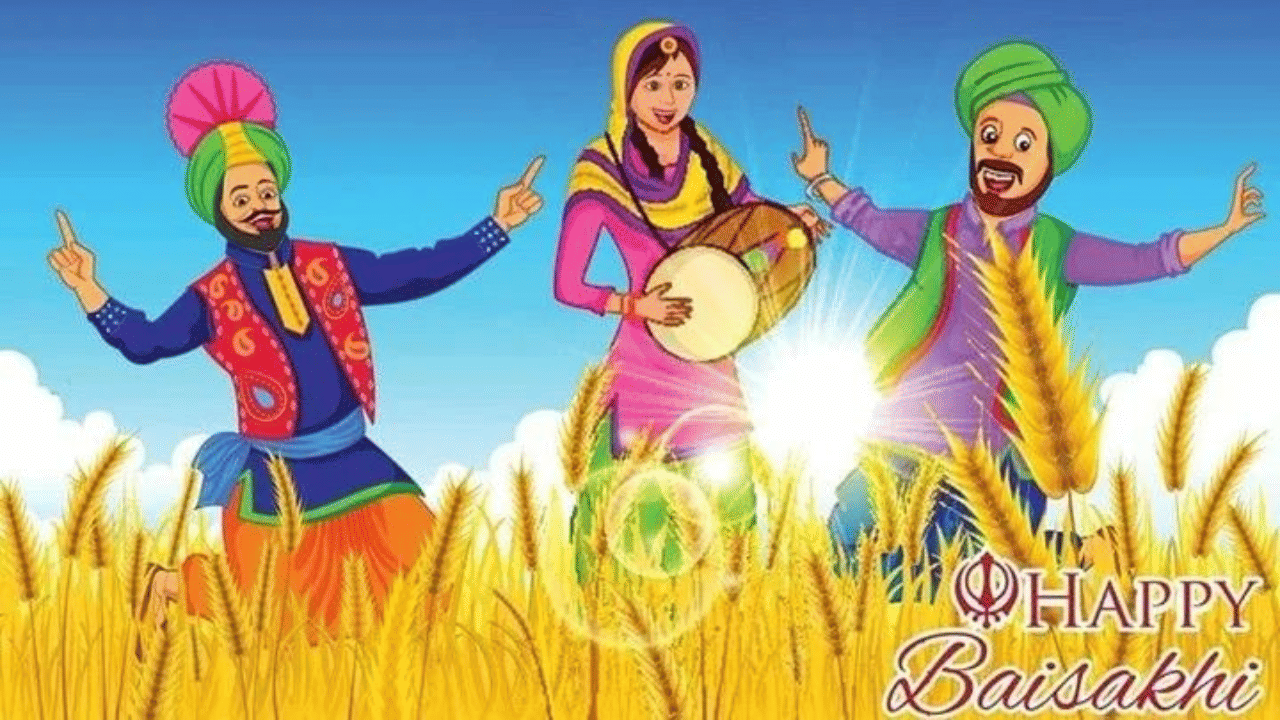
New Delhi: Baisakhi in 2026 will be celebrated on Tuesday, 14 April, marking the harvest festival of Punjab and the beginning of the Sikh New Year. This vibrant day is filled with joy, cultural performances, and heartfelt gratitude towards nature for its blessings. Schools play a major role in helping children learn the meaning behind this festival while enjoying the cheerful vibes. Such celebrations create cultural awareness among students and fill the campus with unity, colour, and happiness.
The festival of Baisakhi offers a chance for schools to teach students about tradition as well as the spirit of teamwork and respect for every culture. It blends education and enjoyment perfectly. Whether your school is organising a stage show or a small classroom activity, the goal is to help students experience the essence of Baisakhi. Teachers can make learning more interactive through fun songs, dance, crafts, and food-sharing sessions.
How to celebrate Baisakhi in school
1. Decorate the school with bright themes
Teachers and students can work together to decorate classrooms and corridors with traditional Punjabi motifs, colourful dupattas, and paper kites. It makes the school festive and lively for everyone.
2. Host a cultural programme
Schools can organise dance and music performances such as Bhangra and Giddha. These shows connect children to Punjab’s rich heritage and make them enjoy learning through entertainment.
3. Dress-up day for students
Encourage children to wear traditional Punjabi dresses like kurta-pyjama, phulkari dupatta, and colourful turbans. It helps them understand the culture and makes the day joyful and photo-worthy.
4. Organise a special assembly
Begin the day with an assembly about the significance of Baisakhi. Students can share short speeches, poems, or quotes, helping everyone learn why the festival is celebrated.
5. Storytelling sessions
Teachers can arrange storytelling activities that highlight the history of Baisakhi and the formation of the Khalsa. Using simple language and visuals makes it easier for young children to grasp.
6. Food festival or lunch table
Schools can plan a special lunch with traditional Punjabi dishes like kheer, puri, and lassi. It allows students to explore the flavours of Indian festivals and celebrate through food.
7. Poster-making competition
Students can make posters showing farmers harvesting crops, dancing, and celebrating. It encourages creativity while reminding them of the importance of hard work and gratitude.
8. Folk music corner
Set up a small area where songs and dhol beats can play during breaks. This keeps the spirit of celebration alive throughout the day and lets children dance freely.
9. Thanking the farmers
Schools can hold short discussions or presentations about the contribution of farmers. It teaches students appreciation and helps them understand where their food truly comes from.
10. Eco-friendly celebration ideas
Encourage students to plant trees or grow some seeds as part of the Baisakhi celebration. It shows them the connection between nature and harvest in a practical way.
11. Art and craft workshops
Arrange craft sessions where students make paper tractors, wheat crop models, or dhol decorations. These hands-on tasks help them connect with the harvest theme in a fun way.
12. Baisakhi quiz contest
Conduct a friendly quiz about Punjabi traditions, famous Baisakhi fairs, and Sikh history. It helps students learn interesting facts while keeping their enthusiasm high.
13. Charity or sharing drive
Encourage students to collect food packets, stationery, or clothes to donate on this day. It teaches kindness, empathy, and the message of community service.
14. Virtual meet with farmers or elders
Invite a local farmer or elder from the Sikh community to speak about harvest life and Baisakhi stories. Hearing real experiences makes the celebration more meaningful.
Baisakhi in schools not only spreads smiles and laughter but also strengthens respect for cultural diversity. Through these simple yet meaningful activities, students learn valuable lessons about gratitude, heritage, and unity.