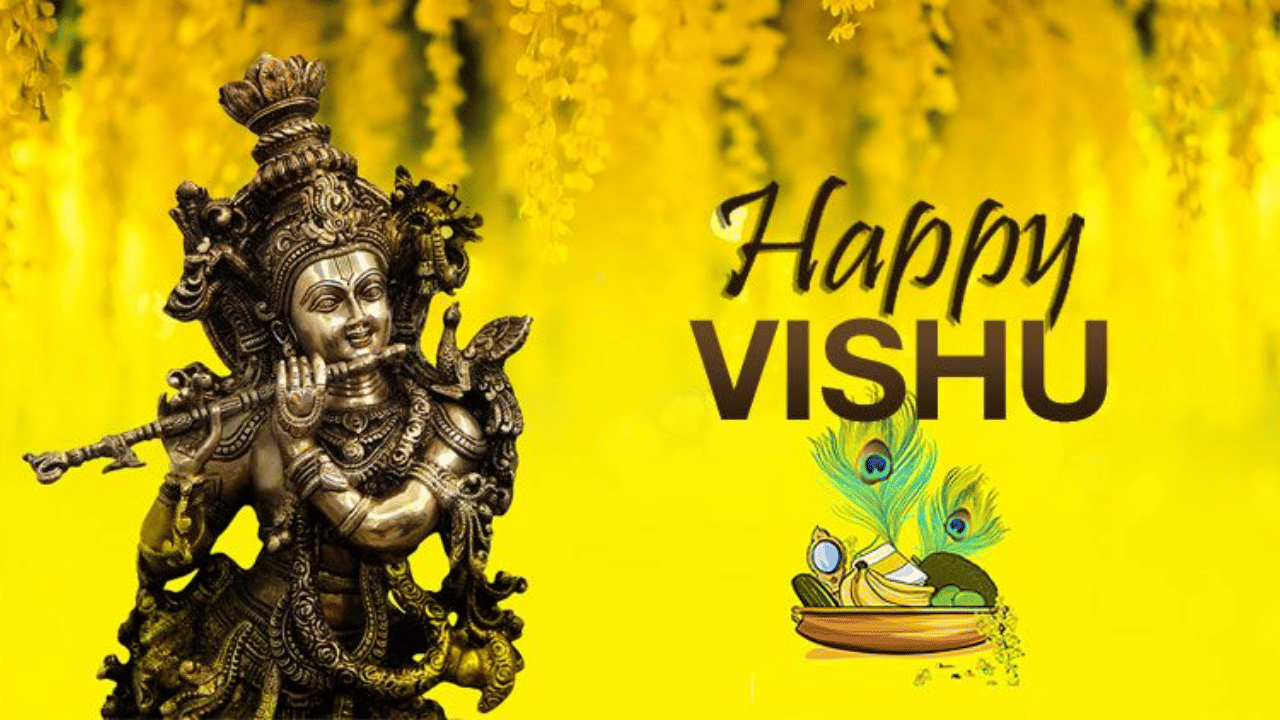
New Year: Vishu, the vibrant New Year festival of Kerala, will be celebrated on Tuesday, 14 April 2026. This joyous occasion marks the beginning of the Malayalam month of Medam, symbolising new beginnings and prosperity for the year ahead. For Malayalis around the world, Vishu is not just another festival — it is a day filled with light, hope, and gratitude. Families wake up early to witness the auspicious “Vishukkani,” bursting with golden hues of prosperity, and start the day on a note of positivity that is believed to influence the entire year.
Known as the festival of abundance and good luck, Vishu carries deep cultural and spiritual importance. While it officially marks the Malayalam New Year, the celebrations also highlight Kerala’s strong connection to nature, family, and tradition. Every part of the celebration from the preparation of Vishukkani to the sharing of Vishu Sadya reflects joy and optimism. It’s a day when homes light up with diyas, elders bless the younger ones, and everyone enjoys the warmth of togetherness.
Meaning and significance of Vishu
The word “Vishu” comes from the Sanskrit word Visuvam, which means “equal,” symbolising the spring equinox, when day and night are of almost equal length. This festival celebrates the idea of balance in life — between light and dark, success and struggle, and beginnings and endings.
Traditionally, people believe that what you see on the morning of Vishu sets the tone for the rest of your year. That’s why the Vishukkani (meaning “the first sight”) is prepared with great care the night before. It usually includes items like rice, coconut, fruits, gold ornaments, mirror, vegetables, and a holy text placed before the deity Lord Krishna or Vishnu. Seeing these symbols of prosperity first thing in the morning is said to bring wealth and happiness.
Ritual of Vishukkani and its preparation
One of the most beautiful customs of Vishu is arranging the Vishukkani. On the evening before Vishu, mothers and grandmothers decorate brass lamps with shining wicks, and carefully set up the offering in front of the deity. Items such as rice, lemon, cucumber, jackfruit, golden yellow kanikkonna flowers, coins, and jewellery are neatly placed together.
The idea is to fill one’s eyes and heart with abundance and positivity early in the morning. On Vishu day, people wake up before sunrise, keep their eyes closed, and are guided to the Vishukkani with care. When they open their eyes to this display, it is said to mark the start of a lucky and fruitful year.
Traditional foods and feasts during Vishu
No festival in Kerala is complete without delicious traditional meals, and Vishu is no exception. Families gather to enjoy a grand vegetarian feast known as the Vishu Sadya, which is served on banana leaves. The meal includes favourites like avial, erissery, sambhar, pachadi, and the famous payasam (a sweet rice pudding). Each dish has its own flavour and nutritional value, representing the variety and richness of nature’s bounty.
In some places, people also burst crackers and exchange gifts called Vishukkaineetam, usually in the form of coins or money from elders. The act of giving money symbolises the flow of prosperity from one generation to the next, wrapping the day in warmth, love, and joy.
How Vishu reflects Kerala’s culture and spirit
Vishu is more than a festival — it is a reflection of Kerala’s lifestyle, beliefs, and community spirit. The day highlights the Malayali values of simplicity, faith, and togetherness. Villages glow with oil lamps, children cheer for Vishukkaineetam, and temples open early for special poojas. Farmers mark the day by praying for a good harvest, thanking the earth for its blessings.
Even Malayalis living abroad celebrate Vishu with the same enthusiasm, often recreating Vishukkani displays and cooking traditional dishes. The festival reminds everyone that no matter where life takes them, the roots of culture and positivity keep them connected to home.
As Kerala celebrates Vishu 2026 on 14 April, it brings together the beauty of tradition, faith, and family bonds. Vishu encourages everyone to start afresh with optimism with a gentle reminder that each sunrise holds the promise of light, love, and prosperity.