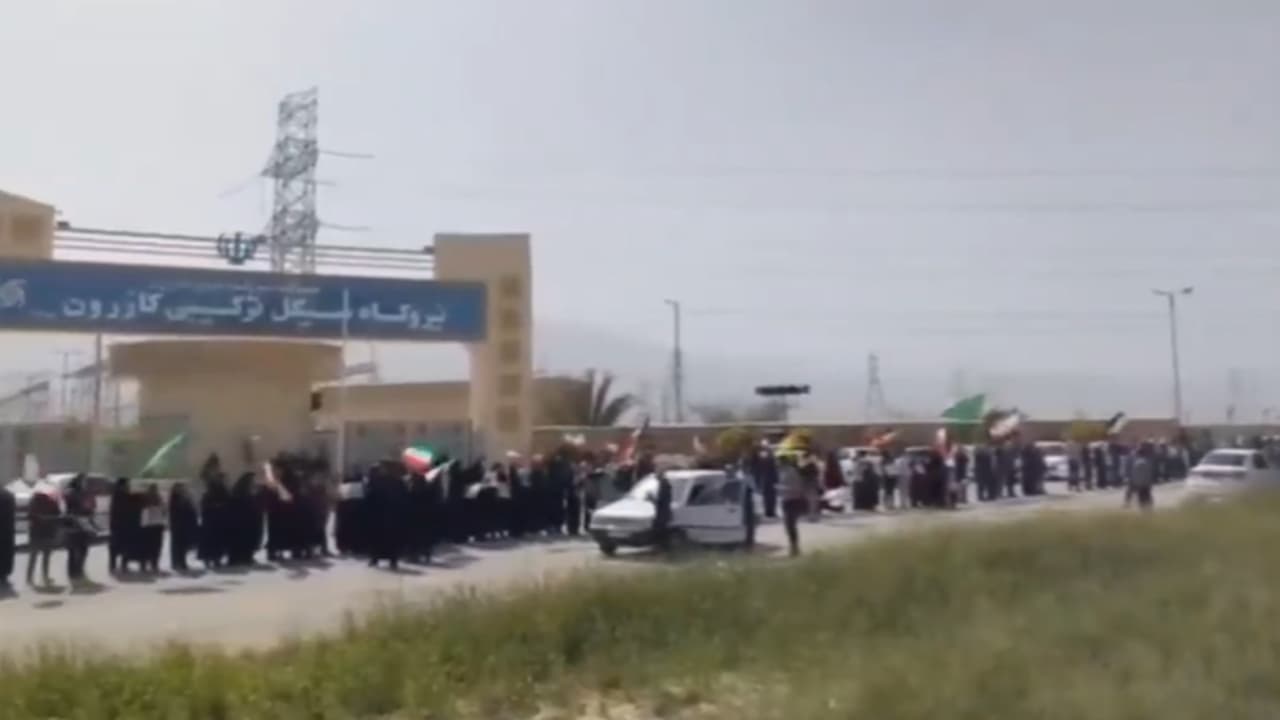
Iranian citizens, led by youth, are forming human chains around key sites like power plants in response to US threats. The symbolic act shows unity and a strong public commitment to protect national assets as tensions rise, even as diplomatic efforts continue amid a volatile situation.
Amid rising tensions with the United States, Iranian citizens have begun forming human chains around key infrastructure, including power plants and bridges, in a dramatic show of solidarity following threats from US President Donald Trump.
The mobilisation comes after Trump warned of possible strikes targeting Iran’s critical infrastructure if Tehran failed to meet US demands, including reopening the Strait of Hormuz. According to Iranian officials, the initiative was driven largely by the country’s youth, with students, artists and activists stepping forward to protect what they described as “national assets”.
“This action… has been formed at the suggestion of the youth themselves,” Iranian official Alireza Rahimi said, highlighting that the movement reflects public willingness to defend the country’s infrastructure. He added that young people proposed forming a “human ring or human chain” around power plants as a symbolic act of resistance.
Scroll to load tweet…
The campaign, described as the “Human Chain of Iran’s Youth for a Bright Future,” has seen crowds gather at key sites, waving national flags and calling for unity. Officials said the effort is meant to demonstrate commitment to safeguarding the country’s future amid fears of further escalation.
Also Read: Trump suspends Iran attack, announces two-week ceasefire after talks
Scroll to load tweet…
Trump’s remarks have significantly heightened tensions. In one of his starkest warnings, he said infrastructure across Iran could be destroyed, with threats that “every bridge” and power facility could be targeted if demands were not met.
The developments come even as diplomatic efforts continue behind the scenes to stabilise the region. A temporary ceasefire has been discussed, but uncertainty remains over its durability as both sides continue to signal readiness for further action.
The human chain movement underscores the growing involvement of civilians in the conflict, reflecting both rising nationalist sentiment and fears of large-scale attacks. While largely symbolic, the act has drawn global attention, with critics warning about the risks of civilians placing themselves near potential military targets.
As tensions persist, the situation remains volatile, with the possibility of escalation still looming despite ongoing diplomatic outreach.
Also Read: US announces release of journalist Shelly Kittleson kidnapped in Iraq