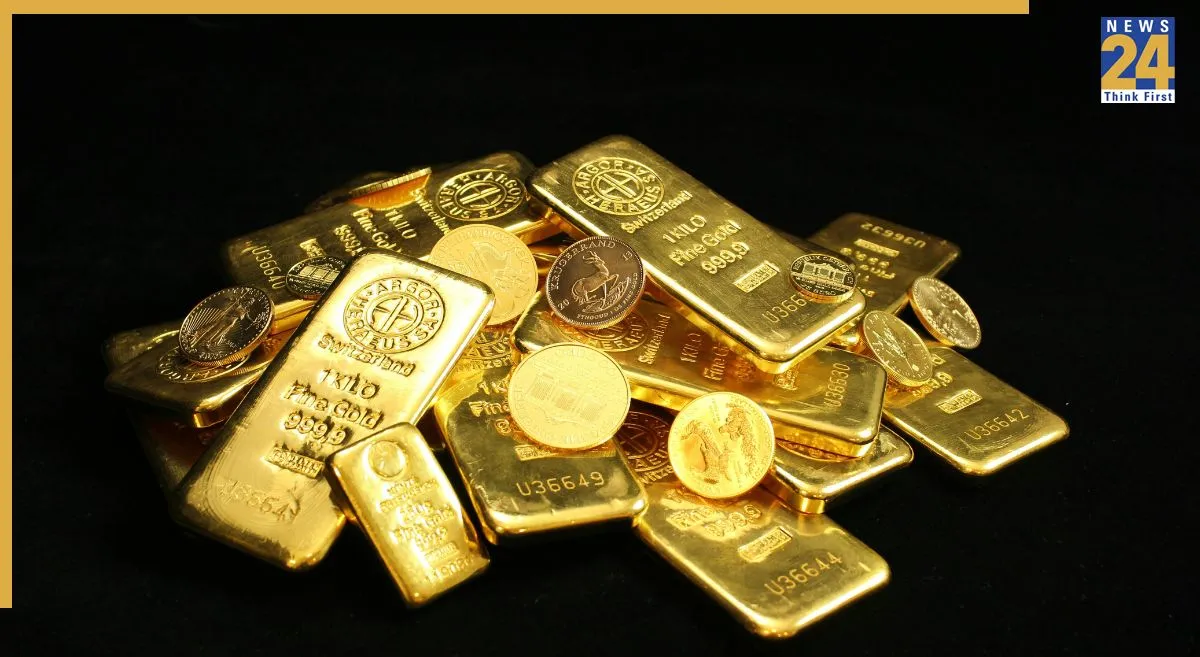
When markets get shaky and uncertainty starts dominating headlines, investors naturally look for safety, and that is exactly where gold shines. In times of global economic turbulence, gold has once again proved why it is considered a reliable safe haven. As equities turn volatile, a noticeable shift is happening. Investors are moving away from stocks and parking their money in gold for stability and consistent returns. But here is where things get interesting. Investing in gold today is not just about buying jewellery or coins anymore. With options like Gold ETF entering the picture, the real question is not whether to invest in gold, but how to invest in it smartly.
Making charges

When you invest in gold coins, there is usually an additional cost of around 1 percent to 5 percent, known as a premium or minting charge. This is the amount you pay over and above the actual value of gold. However, the catch is that when you go to sell these coins, this premium is not recovered. In simple terms, you do not get back the value of the making or minting charges, which reduces your effective returns. On the other hand, gold ETFs work very differently. Since they are a form of paper or digital gold, there are no making charges involved. Instead, investors pay an expense ratio, which is the cost of managing the fund. This typically ranges between 0.5 percent to 1 percent annually. Compared to physical gold, this makes ETFs a more cost efficient option, especially for long term investors.
Tax

In the case of physical gold like coins or bars, if you hold the investment for more than 24 months, it qualifies as a long term capital asset. The gains are then taxed at 12.5 percent as per the latest tax structure, making it relatively efficient for long term investors. However, if you sell before 24 months, the gains are treated as short term and taxed as per your income tax slab. In contrast, gold ETFs offer a slight advantage in terms of holding period. They qualify for long term capital gains after just 12 months. Once you cross this threshold, the gains are taxed at 12.5 percent. This shorter holding period makes ETFs more flexible and tax efficient, especially for investors who may not want to stay invested for a longer duration.
Liquidity

Liquidity simply means how easily you can convert your investment into cash. When you invest in gold coins, selling them is not always instant or hassle free. You usually need to visit a jeweller or a bank to sell your coins. On top of that, buyers may deduct around 2 percent to 3 percent as purity check charges or buyback fees. This not only takes time but also slightly reduces your final returns. On the contrary, gold ETFs are highly liquid. Since they are traded on the stock exchange, you can sell them instantly during market hours, just like shares. Once sold, the money is typically credited to your bank account within 24 to 48 hours, and sometimes it may take up to 2 to 3 working days.
GST

When you plan to buy a gold coin, you are required to pay 3 percent GST on the purchase value. This adds to your initial cost and slightly increases the overall investment amount right from the start. On the other hand, Gold ETF are more cost efficient in this regard. There is no GST applicable on ETF purchases since they are financial instruments and not physical gold. Additionally, ETFs offer greater flexibility. You can start investing with as little as one unit, making them accessible even for small investors.
Safety

When you purchase gold coins, you need to think about secure storage. Ideally, you may require a bank locker, as keeping gold at home comes with risks like theft or loss. This also adds to your overall cost and inconvenience. On the other hand, Gold ETF are completely digital. They are stored in your demat account, so there is no need for any physical storage. This eliminates the hassle of safekeeping and also removes the risk associated with theft, making ETFs a safer and more convenient option in terms of storage.