Israeli Defense Minister Israel Katz confirmed on Monday that Israel launched an attack on the South Pars petrochemical plant located in Asaluyeh, Iran.
This announcement followed Iran’s own declaration of the strike, which came amid escalating military actions in the region.
In addition to the petrochemical facility strike, Iranian state media reported the death of Maj. Gen. Majid Khademi, head of intelligence for Iran’s Revolutionary Guard, whom Israel claimed to have killed. The situation intensified as Israel and the United States coordinated attacks resulting in significant casualties in Iran.
Escalating Military Actions
On the same day, reports indicated that U.S. and Israeli forces conducted a series of airstrikes, resulting in the deaths of over 25 individuals in Iran. In retaliation, Iran launched missiles targeting both Israel and its Gulf Arab neighbors.
U.S. President Donald Trump’s deadline for Iran to reopen the strategically vital Strait of Hormuz was set to expire Monday night, with Trump threatening severe military actions against Iran’s infrastructure if a deal was not reached.
Impact on Iranian Civilians
A resident of Tehran described the anxiety and fear pervading the city as U.S.-Israeli strikes intensified. She recounted hearing constant bomb sounds and witnessing the aftermath of an attack near her home, where people fled in panic.
She expressed frustration over the coverage by the satellite channel Iran International, criticizing its role in amplifying exiled voices advocating for military action against the Islamic Republic.
Global Economic Reactions
The U.S. stock market exhibited cautious movements as oil prices fluctuated ahead of Trump’s deadline for Iran. The S&P 500 saw a minor increase, while the Dow Jones Industrial Average experienced a decline.
Market analysts remain uncertain about the potential impact of ongoing military actions on global oil supply and pricing.
International Concerns Over Civilian Infrastructure
Mirjana Spoljaric, president of the International Committee of the Red Cross, voiced concerns regarding the destruction of vital civilian infrastructure amid the conflict. She emphasized the need to protect facilities essential for civilian life, including hospitals and power plants.
Spoljaric also highlighted the risks associated with attacks near nuclear facilities, stressing the potential for irreversible consequences.
Diplomatic Efforts for Ceasefire
Turkish Foreign Minister Hakan Fidan and Iranian counterpart Abbas Araghchi engaged in discussions about the ongoing war, with a focus on potential ceasefire proposals. Mediators from Egypt, Pakistan, and Turkey have suggested a 45-day ceasefire to facilitate dialogue between Iran and the U.S.
Iran’s foreign ministry spokesperson confirmed ongoing communications with mediators but reiterated that negotiations cannot occur under threats or ultimatums.
Continued Military Engagements
Israel’s military reported that its forces targeted multiple Iranian military installations, including airports associated with the Iranian Air Force. The strikes reportedly damaged several aircraft and helicopters.
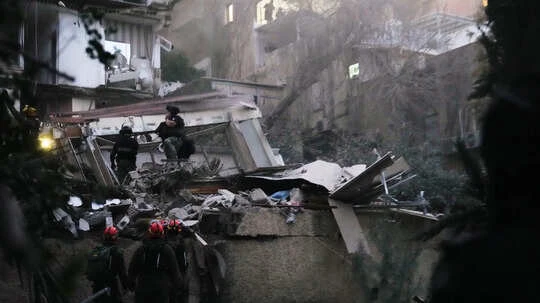
In a related incident, the Israeli military confirmed the deaths of four individuals in Haifa due to a missile strike, identifying them as members of the same family.
Regional Reactions and Warnings
Ali Akbar Velayati, a former Iranian foreign minister, warned that the Middle East would face severe consequences if Trump’s threats to bomb Iranian power plants were realized. He urged Arab nations to discourage U.S. military actions.
International watchdogs, including the United Nations, have confirmed strikes near the Bushehr nuclear facility, raising alarms about the safety of nuclear operations in the region.