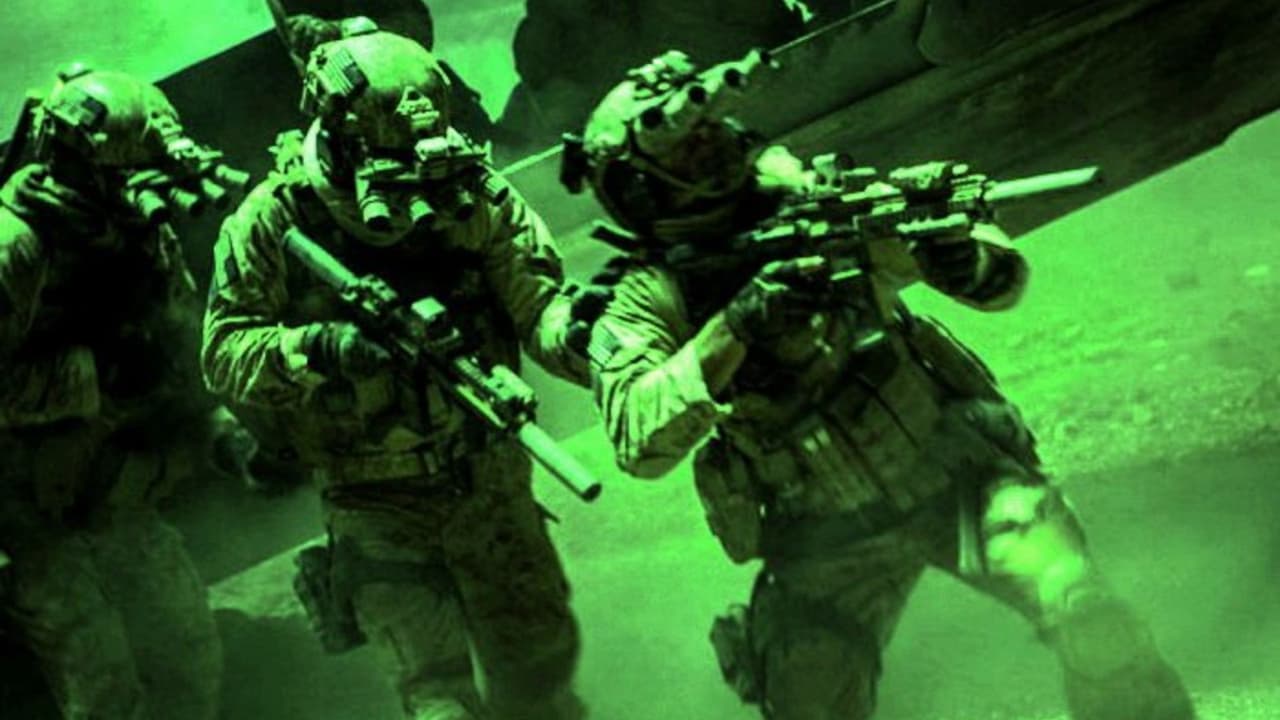
Following a US F-15E crash over Iran, a massive rescue operation was launched for a wounded officer stranded in hostile territory. He survived for nearly 36 hours, evading capture in rugged mountains. Elite forces, including Navy SEAL Team 6, led high-risk mission, which involved CIA deception & extensive air support to create protective perimeter.
F-15 Crash Sparks High-Stakes Rescue Operation
A dramatic US military rescue unfolded after an F-15E Strike Eagle was shot down over Iran during escalating conflict. While one crew member was quickly recovered, the second — a wounded weapons systems officer — was left stranded deep inside hostile territory, triggering a massive search-and-rescue mission.
The officer survived in rugged mountainous terrain for nearly 36 hours, despite injuries, as Iranian forces and local militias intensified efforts to locate him.
Survival Against the Odds in Enemy Territory
Despite being seriously injured, the airman relied on survival training to evade capture. He reportedly climbed a 7,000-foot ridge and hid in remote crevices, armed only with a handgun while navigating extreme terrain.
Iranian forces had allegedly announced rewards for his capture, increasing the urgency of the rescue. With enemies closing in, the officer remained on the move, carefully avoiding detection.
SEAL Team 6 Leads Daring Rescue Mission
The US launched a complex, high-risk operation involving elite forces, including the renowned Navy SEAL Team 6 — the same unit that killed Osama bin Laden. The mission included over 100 special operations troops, drones, fighter jets, and transport aircraft.
President Donald Trump later described it as “one of the most daring” rescue missions in US military history.
CIA Deception and ‘Death From Above’ Strategy
A key element of the operation was a covert CIA deception campaign. US intelligence spread false information suggesting the airman had already been rescued, confusing Iranian forces and buying critical time.
Meanwhile, MQ-9 Reaper drones and air support created a protective perimeter, launching strikes on approaching hostile forces — effectively forming a “ring of steel” around the stranded officer.
Firefight, Aircraft Losses and Risky Extraction
The rescue was not without complications. US aircraft came under fire, and at least two transport planes became stuck on a makeshift airstrip deep inside Iran. To prevent sensitive technology from falling into enemy hands, American forces destroyed disabled aircraft before withdrawing.
Skirmishes were also reported between US forces and local militias during the extraction, highlighting the extreme danger of the mission.
Mission Success Amid Rising US-Iran Tensions
Despite the risks, the wounded airman was successfully located and extracted, with all US personnel safely evacuated. He was later transported to a secure location for medical treatment.
Trump confirmed the success of the operation, praising the bravery of the troops involved and reaffirming the US commitment to bringing its personnel home.
A Defining Moment in Modern Warfare
The rescue underscores the complexity of modern warfare, where intelligence, deception, and elite special forces operations play a decisive role. Conducted deep inside enemy territory under constant threat, the mission has been widely described as one of the most daring combat rescues in recent history.
It also highlights escalating tensions between the US and Iran, with the incident becoming a key flashpoint in the broader regional conflict — one that continues to impact global security and geopolitics.