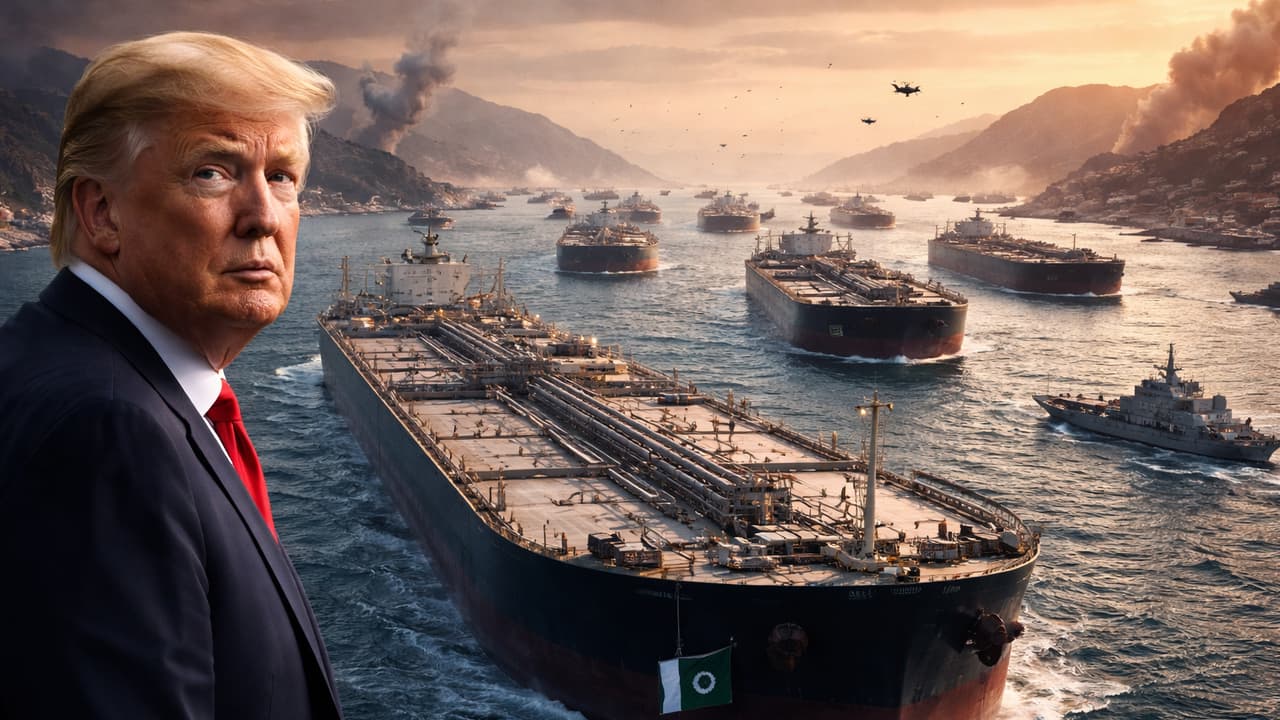
Tensions have escalated over the restricted Strait of Hormuz. The US issued an ultimatum threatening severe retaliation, while Iran set new conditions for reopening the vital oil route. Tehran also warned of potential disruptions to other maritime chokepoints, like the Red Sea.
Iran has set fresh conditions for reopening the strategically vital Strait of Hormuz, escalating tensions with the United States even as President Donald Trump issued a stark ultimatum demanding the route be restored or face severe consequences.
The strait, which carries nearly 20% of global oil supply, remains heavily restricted amid the ongoing conflict, triggering global market volatility and supply concerns. Tehran has signalled that any reopening will depend on broader political and military conditions, indicating a hardening stance rather than immediate de-escalation.
Trump, however, has intensified pressure on Iran, setting a deadline and warning of devastating retaliation if the blockade continues. In a direct threat, he said, “If they don’t come through… they’re going to lose every power plant and every other plant they have in the whole country.”
Earlier, Trump also warned that “all hell will rain down” if Iran fails to comply, underlining the seriousness of the ultimatum and raising fears of a wider military escalation.
Also Read: Iran Warns of ‘In Kind’ Response to US Threats on Infrastructure
Adding to global concern, Iran has warned that instability may not remain confined to Hormuz. Officials signalled potential disruption in the Red Sea, particularly around key chokepoints like the Bab el-Mandeb Strait, a crucial artery for international trade. This raises the risk of a dual maritime crisis affecting both energy supplies and global shipping routes.
Markets have already reacted sharply, with oil prices rising and investors bracing for further volatility as geopolitical risks deepen. Trump’s ultimatum has also intensified fears of direct attacks on Iranian infrastructure, including power plants and transport networks, which could significantly widen the conflict.
Despite hints from Washington that a deal could still be reached quickly, Iran’s latest demands suggest little immediate room for compromise. The standoff highlights how control over key energy routes has become central to the conflict, with both sides using economic pressure and military threats to gain leverage.
As tensions rise, the possibility of prolonged disruption to global trade and energy markets looms large, with the Hormuz crisis now emerging as one of the most critical flashpoints in the ongoing conflict.
Also Read: Iran warns Trump’s ‘reckless moves’ will drag US into ‘living hell’