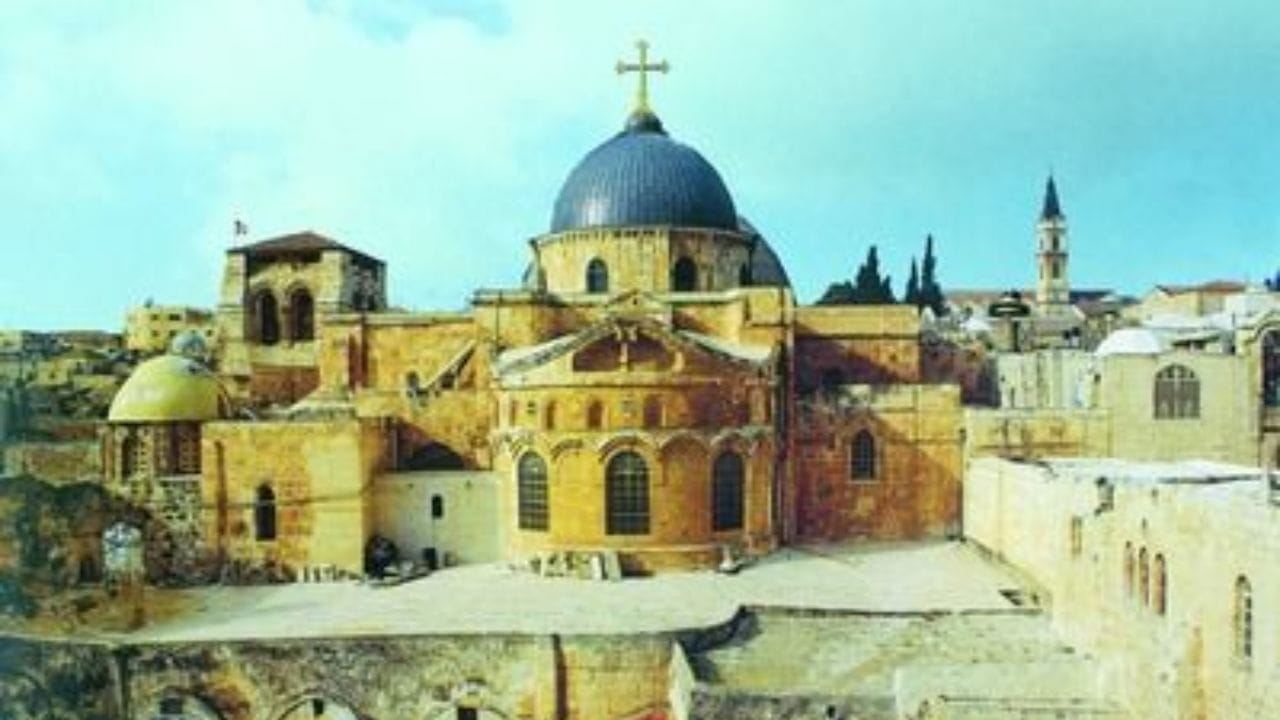
New Delhi: Easter 2026 draws millions of Christians into remembrance of the crucifixion and Resurrection of Jesus Christ, with Jerusalem standing at the spiritual heart of these observances. At the centre of this devotion lies the Church of the Holy Sepulchre in the Old City, widely revered as the site of Golgotha, where Jesus was crucified, and the tomb where he was laid to rest. For nearly 17th centuries, this sacred complex has endured invasion, fire and political upheaval, yet continues to welcome pilgrims who arrive seeking prayer and reflection.
Its architecture mirrors the history of Christianity itself, shaped by emperors, conquerors and caretakers across eras. Beyond Jerusalem, Easter is marked at significant churches and gathering spaces around the world, each echoing the message of hope associated with the empty tomb. Together, these places form a powerful spiritual map for believers during Holy Week.
Church of the Holy Sepulchre history and significance
Origins before Constantine
During the first three centuries, the area contained a Jewish burial site. Later, Roman Emperor Hadrian constructed a temple over it. Ironically, that decision helped preserve the location that would later be identified by early Christians as the place of crucifixion and burial.
Constantine’s grand church
In the fourth century, Emperor Constantine ordered the construction of a vast church complex, following the efforts of his mother, Helena. Built between 326 and 336 CE, the structure enclosed the tomb within an edicule and introduced the grand Rotunda.
Destruction, restoration and Crusader influence
The church suffered damage during the Persian invasion in 614 and faced demolition in 1009 under Fatimid Caliph al-Hakim. It was rebuilt in 1048, and later expanded by Crusaders in the 12th century, who shaped much of its present Romanesque character.
Fire and 19th-century rebuilding
After a major fire in 1808, the edifice was reconstructed in 1810 in Ottoman Baroque style. The present structure largely reflects that restoration.
Easter key locations of significance
The Garden Tomb, Jerusalem
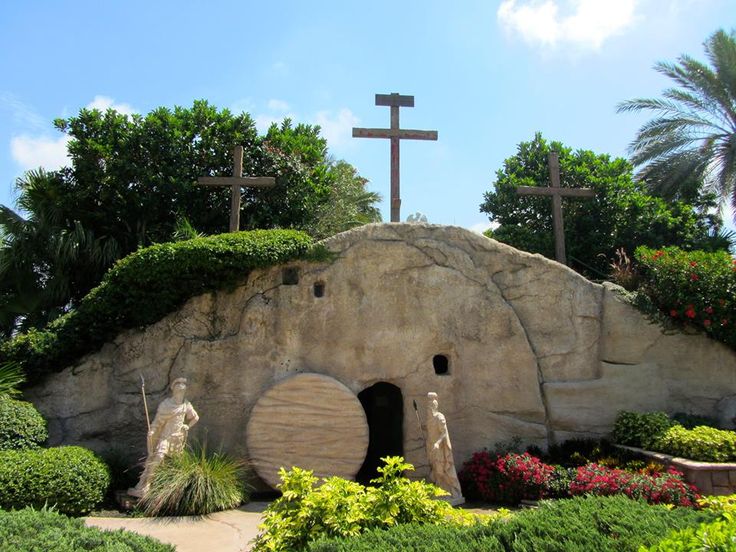
Favoured by many Protestant Christians, this peaceful site hosts sunrise services and quiet reflection during Easter.
Jerusalem
The city remains central to Holy Week, marking the crucifixion during Passover and the Resurrection three days later.
Vatican City
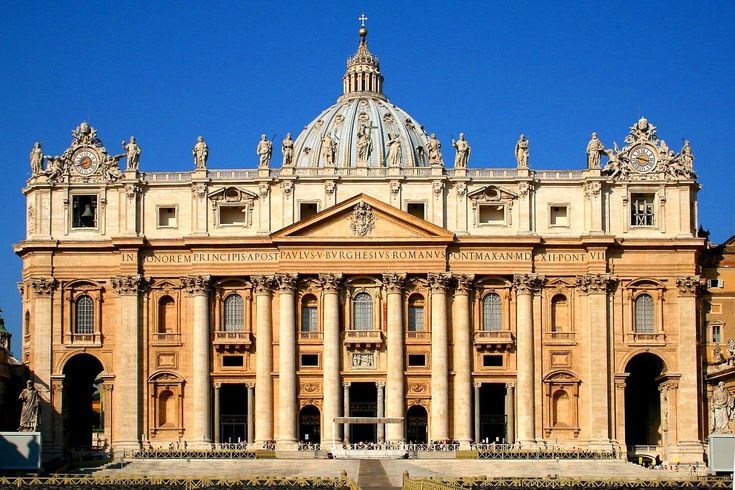
St Peter’s Basilica and St Peter’s Square host major Easter liturgies led by the Pope, drawing global attention.
Christian churches worldwide
Across continents, congregations gather at dawn on Easter Sunday, celebrating the Resurrection and the discovery of the empty tomb.
Easter 2026 once again turns hearts towards these sacred spaces, where faith, history and devotion continue to intersect.