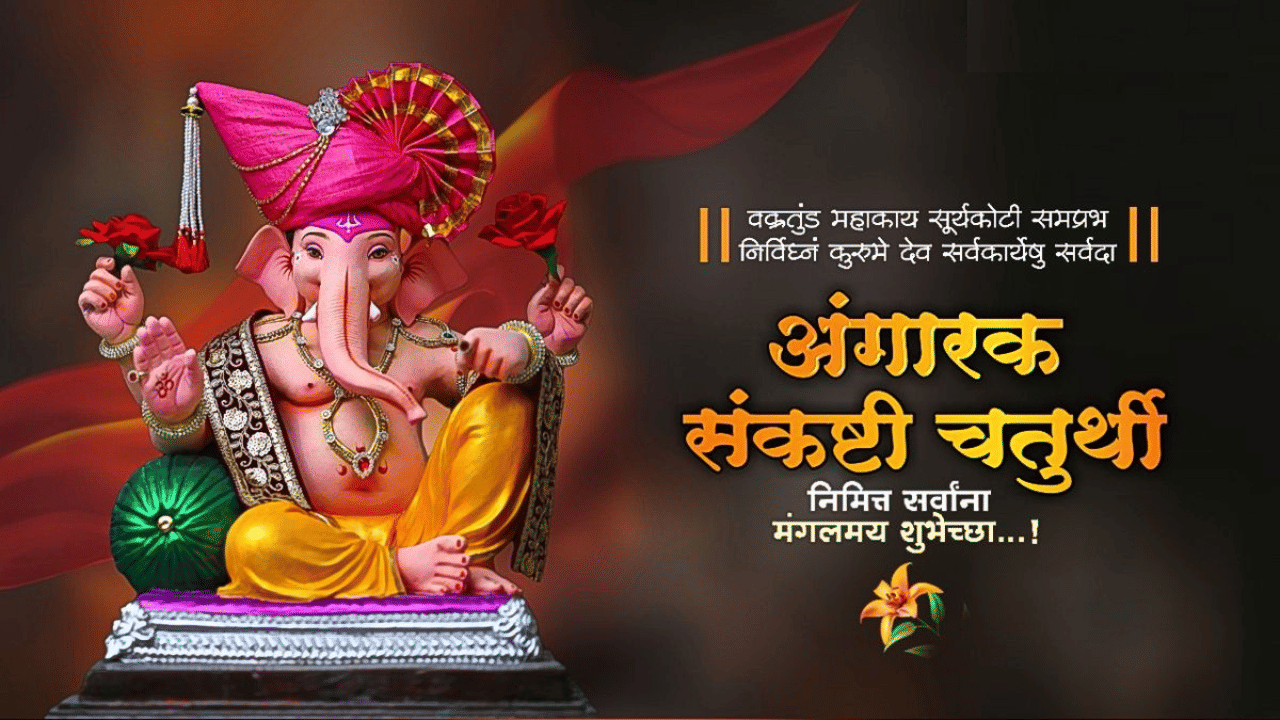
New Delhi: Vikata Sankashti Chaturthi is one of the most spiritually meaningful fasting days dedicated to Lord Ganesha. Observed during the Krishna Paksha of the Chaitra month, this vrat is believed to remove obstacles, reduce fear, and bring stability during uncertain phases of life. Devotees across India observe this fast with discipline and faith, especially those seeking relief from ongoing struggles.
If you are planning to observe Vikata Sankashti Chaturthi in 2026, it is important to follow the correct date, understand the moonrise timing, and perform the vrat vidhi properly. This detailed guide explains everything in a clear and practical manner based on Panchang calculations followed in New Delhi.
Vikata Sankashti Chaturthi 2026 Date and Time
Vikata Sankashti Chaturthi in 2026 falls in the first week of April and is observed with strict fasting and evening rituals.
- Vikata Sankashti Chaturthi Date: Sunday, 5 April 2026
- Chaturthi Tithi Begins: 11:59 AM on 5 April 2026
- Chaturthi Tithi Ends: 2:10 PM on 6 April 2026
- Moonrise Time on Sankashti: 9:58 PM on 5 April 2026
Correct Vrat Date
The vrat will be observed on 5 April 2026 (Sunday), as the Chaturthi Tithi is present at the time of moonrise on this day.
Why is Vikata Sankashti Vrat Observed on This Date?
Understanding the timing logic is important to avoid confusion.
Sankashti Chaturthi follows a moonrise-based rule. The fast is observed on the day when the Chaturthi Tithi is active at the time of moonrise.
On 5 April 2026:
- The Chaturthi Tithi starts at 11:59 AM
- The Moon rises at 9:58 PM
- The Tithi remains active during moonrise
This alignment makes 5 April the correct day to observe the vrat. Unlike Purnima or Ekadashi, where sunrise plays a role, Sankashti fasting depends entirely on moonrise timing.
Religious Significance of Vikata Sankashti Chaturthi
This Sankashti is dedicated to the Vikata form of Lord Ganesha, which represents strength, protection, and the ability to overcome deep-rooted fears.
Meaning of Vikata form
The Vikata form of Ganesha is considered powerful and intense. Devotees believe that worshipping this form helps in:
- Removing known and unknown fears
- Protecting from sudden troubles
- Gaining courage during difficult situations
- Overcoming mental and emotional instability
This makes Vikata Sankashti especially important for those going through uncertainty or stress.
Story from Mudgala Purana
According to traditional scriptures, Lord Ganesha took the Vikata form to defeat the demon Kamasura. The demon symbolized uncontrolled desire and illusion. In this form, Ganesha rides a peacock, which represents mastery over illusion and ego.
The story highlights an important message. When the mind is disciplined and guided by wisdom, even the strongest negative forces can be overcome. This is why devotees seek inner strength and clarity on this day.
Complete Vikata Sankashti Chaturthi Vrat Vidhi
Following a structured vrat vidhi helps maintain both discipline and devotion. The process is simple but requires sincerity.
Morning Rituals
Begin the day early with a bath before sunrise. Clean your home and prepare a peaceful space for worship.
Take a sankalp to observe the fast. This is a mental commitment to follow the vrat with honesty and devotion.
You may place an idol or image of Lord Ganesha in the prayer area and offer fresh flowers.
Fasting Rules
There are different ways to observe the fast based on personal capacity:
- Nirjala fasts without food and water
- Phalahar fasts with fruits, milk, and light foods
Avoid grains, regular meals, onions, garlic, and processed food. The idea is to keep the body light and the mind focused.
Daytime Discipline
The day should be spent in a calm and mindful manner.
- Avoid unnecessary conversations and distractions
- Read or listen to prayers dedicated to Lord Ganesha
- Maintain a peaceful and positive mindset
This period is meant for inner reflection rather than routine activity.
Evening Ritual and Moon Worship
The most important part of the vrat takes place after moonrise.
On 5 April 2026, the Moon rises at 9:58 PM. After sighting the Moon:
- Offer water to the Moon
- Light a lamp and incense
- Offer prayers to Lord Ganesha
- Offer sweets such as modak or ladoo
After completing these steps, the fast is broken.
What to Eat During the Vrat
The vrat diet is simple and focused on sattvic foods.
You can include:
- Fruits such as bananas, apples, and papaya
- Milk and curd
- Sabudana dishes
- Dry fruits and nuts
Avoid heavy or oily food. The purpose of the diet is to support the fast without disturbing the body.
Important Guidelines to Follow
Follow your family traditions if they differ slightly from general practices. In many households, customs are passed down through generations and should be respected.
Do not confuse Vikata Sankashti with other Sankashti days. Each Sankashti is associated with a different form of Ganesha and carries unique significance.
Focus on sincerity rather than strict perfection. A simple and honest approach is considered more valuable than complex rituals done without attention.
Frequently Asked Questions
What is the date of Vikata Sankashti Chaturthi 2026?
Vikata Sankashti Chaturthi will be observed on 5 April 2026.
What is the moonrise time on this day?
Moonrise will take place at 9:58 PM on 5 April 2026.
When should the fast be broken?
The fast should be broken only after sighting the Moon and completing the evening rituals.
Vikata Sankashti Chaturthi 2026 falls on 5 April, and the vrat should be observed on this day as per the moonrise-based rule. With the Moon rising at 9:58 PM, the fast is completed only after offering prayers at night.
This vrat is not only about fasting but also about building inner strength and removing fear. When observed with discipline and clarity, it helps bring stability and confidence during challenging times.
Written by: Tanya Singh, Astropatri.com. For feedback, please write to [email protected].