Mumbai: The Ministry of Civil Aviation (MoCA) suspended its recent directive that required domestic airlines to offer at least 60% of their aircraft seats without additional selection fees. The decision, issued on Thursday, puts the mandate in abeyance just 16 days after its initial announcement. The Indian Association of Tour Operators (IATO) welcomed the policy reversal and urged the government to offer seasonal subsidy foor passenger convenience.
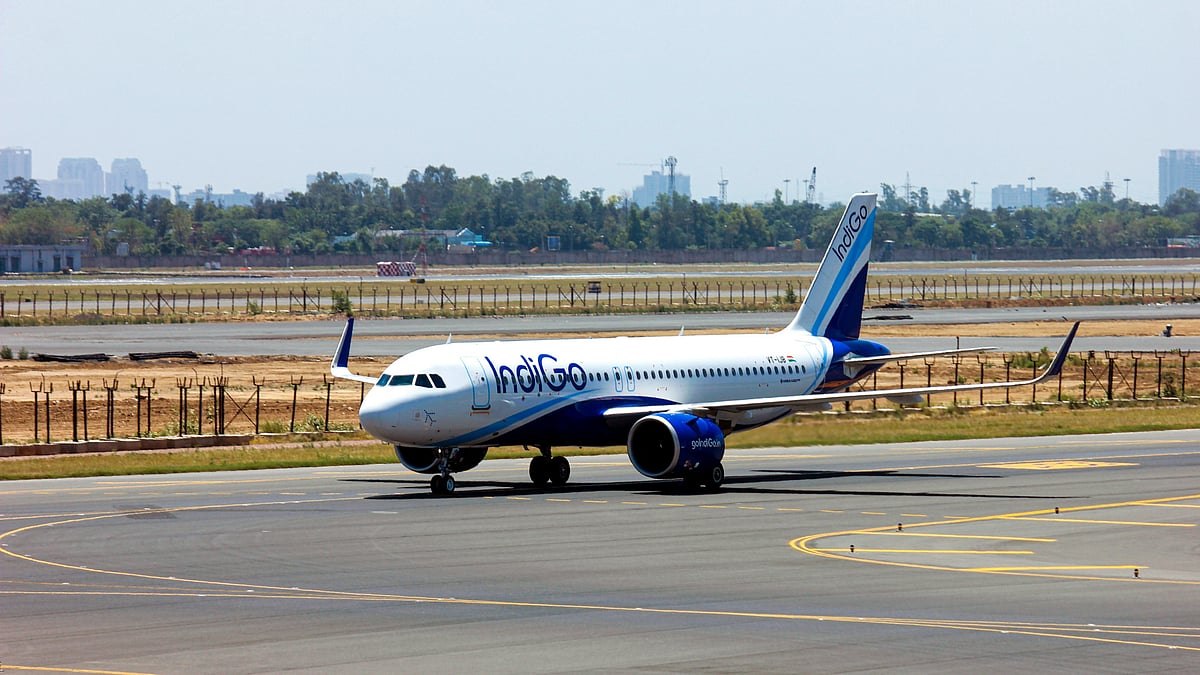
On Thursday, the ministry wrote to the Director General of Civil Aviation (DGCA), declaring that the provision to offer at least 60% of seats free of charge will be kept in abeyance until a comprehensive examination of the issue is conducted. The rollback follows intense lobbying and formal objections from the Indian airlines. The letter cited representations from the Federation of Indian Airlines (FIA), which represents major carriers like IndiGo, Air India, and SpiceJet, and Akasa Air, highlighting potential impact on fare structures and consistency with the prevailing deregulated tariff regime.
The rule was introduced on March 17 as a passenger-centric measure with the goal to curb the growing practice of unbundling, where airlines charge extra for nearly all seats during web check-in, often leaving only 5% to 15% of the cabin available for free. However, the aviation industry argued the mandate was an overreach into a deregulated tariff environment.
According to sources, the airlines raised concerns about loss of revenue, citing that carriers rely heavily on such ancillary revenues to maintain low base fares. Industry experts suspected that the airlines would raise ticket fares for all the passengers, including those who do not wish to select their own seats, to recover the lost revenue from seat fees.

While the free-seat quota is on hold pending a comprehensive examination, other parts of the March 17 circular remain in effect. The DGCA has been instructed to continue enforcing other passenger facilitation measures including transparency in seat allocation, co-seating of passengers on the same PNR, carriage of musical instruments, sports equipment and pets and clear disclosure of applicable charges.
Also Watch:
The Indian Association of Tour Operators welcomed the government’s decision to roll back the mandate, calling it a balanced approach to cater to the customers’ needs and the financial health of the aviation industry. It said that the move would have caused substantial disruption to airlines’ revenue-generating activities and would have resulted in increased prices on remaining seats, reduced route offerings and less service quality.
The association’s president Ravi Gosain highlighted that the discounted fares might create a spike in short term travel but artificially generated demand can not sustain. He stated that price and operational stability results in long term planning for travel and consumer confidence as the entire tourism ecosystem relies on consistent levels of travel rather than sporadic peaks and valleys.
“Rather than using large sweeping actions, actions such as seasonal subsidies, incentives for regional connectivity or assistance for underserved routes can create an increase in travellers while ensuring the on-going viability of airlines. The government’s recent decision indicates an increasing trend toward the creation of rationally based policies that will benefit all stakeholders in the long-term,” he added.