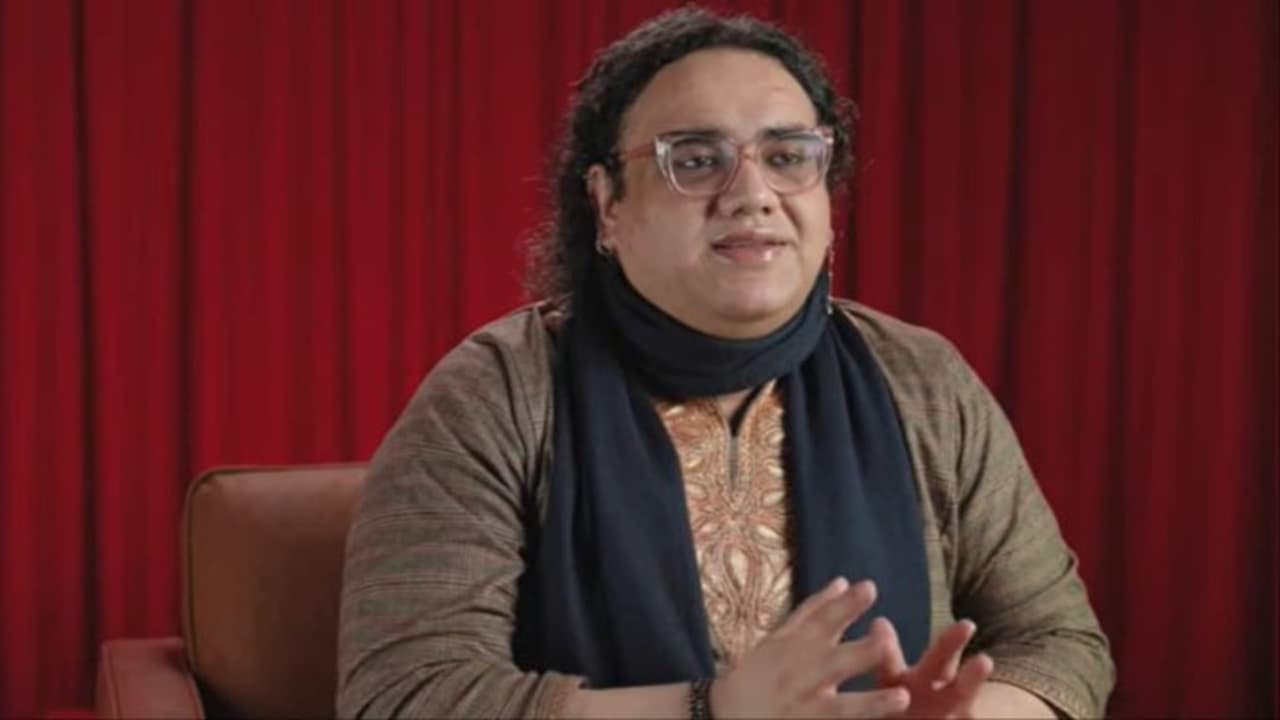
Pakistan LGBTQ Debate: A viral interview of Pakistani transgender activist Hina Baloch has created a storm on the internet. His claim of “80% gay, 20% bisexual” has raised a big question on society, religion and identity. Is this the revelation of a hidden truth or mere sensation? This statement from the Middle East has now fueled the global debate.
Pakistan Society Truth: A video has surfaced from Pakistan which has created a huge stir on social media. A statement by transgender activist Hina Baloch has sparked debate not only in the country but across the world. In a viral interview he claimed that “80% of Pakistan is gay and the remaining 20% is bisexual”. This statement has shocked people and now everyone wants to know – is it true or just a controversy?
Is Hina Baloch’s claim a fact or a controversial statement?
Hina Baloch says that there is an “open secret” regarding sexuality in Pakistan, which people do not accept openly. According to him, people hide their true identity due to fear of society, religion and family respect. However, there is a heated debate going on on social media regarding this claim – some people are calling it truth, while some are considering it an exaggeration.
Why so much silence on LGBTQ issue in Pakistan?
In a society like Pakistan, LGBTQ topic is considered very sensitive.
- religious beliefs
- social pressure
- family reputation
Due to all these reasons people do not talk openly on this topic. This is the reason why Hina Baloch’s statement is making people uncomfortable.
What has been the struggle of Hina Baloch?
Hina Baloch, who considers herself ‘Khwaja Sira’, has seen a lot of difficulties in her life. As a child, she had to live in an environment where the third gender community had limited and often exploitative options – like begging or dancing. But she broke these boundaries and raised her voice for gender and minority rights. He took part in social movements and worked for LGBTQ rights.
What has been the struggle of Hina Baloch?
Hina Baloch, who considers herself ‘Khwaja Sira’, has seen a lot of difficulties in her life. As a child, she had to live in an environment where the third gender community had limited and often exploitative options – like begging or dancing. But she broke these boundaries and raised her voice for gender and minority rights. He took part in social movements and worked for LGBTQ rights. Hina says that her biggest fear was not what people would think of her identity, but how she would be able to express herself.
Is this statement a sign of change in society?
This statement of Hina Baloch is not just a controversy but points towards a bigger issue. Some people believe that such statements are necessary because they bring hidden issues to the fore. At the same time, some say that this may increase confusion and tension in the society.
Why did the need arise to leave Pakistan?
Hina Baloch said that she faced violence and threats many times due to her activism. He faced serious threats for raising the Pride flag during a protest, following which he had to leave the country. He later got a scholarship to SOAS University of London and took refuge in the UK.