-
Nearly half of American adults have high blood pressure, also known as hypertension.
-
Many foods are naturally rich in blood pressure–lowering nutrients.
-
Potassium, magnesium, calcium, fiber and omega-3 fats may help reduce blood pressure.
High blood pressure, or hypertension, affects roughly half of American adults. While many people need medication to control this condition, regularly eating certain foods can also help lower your blood pressure—no prescription required.
So, what are these power foods? To find out, we asked dietitians the best to add to your weekly rotation. Get out your pen and paper (or smartphone!) because you’re going to want to make sure these eight foods are at the top of your shopping list.
1. Bananas
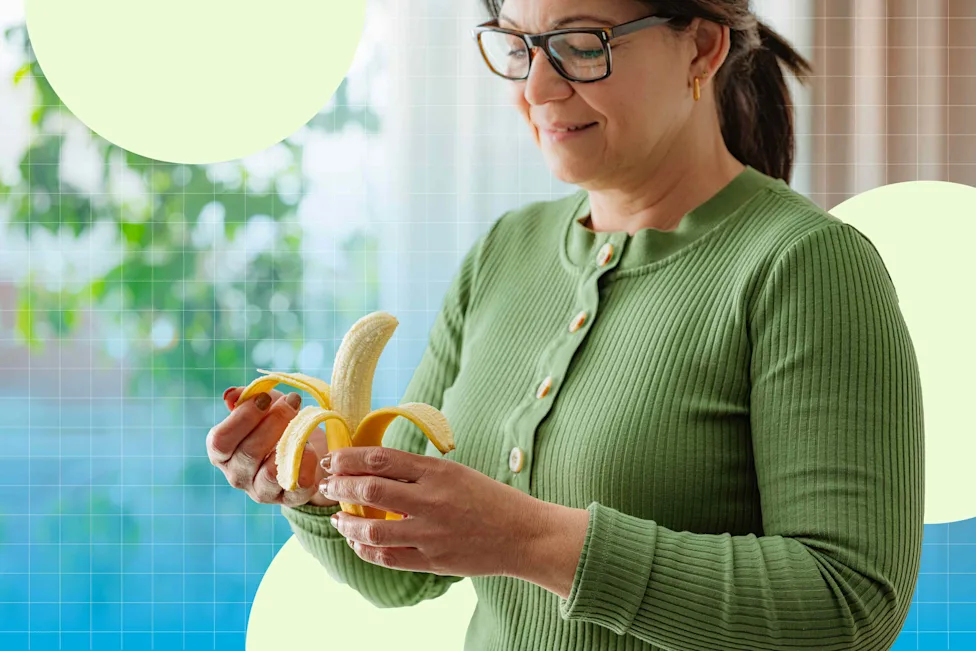
Bananas are nutrient gold mines when it comes to better blood pressure, says For starters, she says, bananas are a . This mineral helps lower blood pressure by decreasing the stress on blood vessel walls caused by eating too much sodium. Even though most of us , few of us get enough potassium. That’s where bananas come in. One medium banana provides roughly 420 milligrams of potassium, or 9% of the daily requirement.
Bananas also provide fiber, which helps lower blood pressure by producing compounds called short-chain fatty acids that help relax blood vessels and improve blood flow. Yet, like potassium, most of us don’t consume nearly enough fiber. One medium banana delivers an easy 3 grams of fiber, which is roughly 11% the recommended 28-grams of fiber per day.
2. Beets
If beets aren’t already on your list of they should be! These deep purple veggies contain , compounds your body converts to a blood pressure–lowering nitric oxide. That’s not all. They give you 442 mg of potassium per cup (9% of the daily requirement).
So, toss some beets into your next salad. Or, if you want even more blood pressure–lowering power, pour a daily glass of beet juice. Research has shown it can significantly , the blood pressure reading most closely related to heart disease risk.
3. Edamame
Edamame are young soy beans that are harvested before they ripen. Edamame and other soy foods are powerful players when it comes to lowering blood pressure. The proof is so strong that one systematic review and meta-analysis of 17 studies found that eating can significantly reduce both systolic and diastolic blood pressure.
Not only is edamame a soy food, but it’s also a legume. This is great news, as one 2026 systematic review and meta-analysis found that eating more soy foods may reduce your risk of high blood pressure by 19%. And consuming more legumes could lower your risk by 16%. But that’s not all. People with the highest intake of legumes and soy foods enjoyed about a 30% lower risk of developing high blood pressure. And while this study didn’t show whether people who already have high blood pressure would benefit, it certainly can’t hurt.
If you’re wondering what makes edamame so effective, the answer may lie in their nutrient density. One cup of shelled edamame packs an impressive 8 grams of fiber. That’s more than a quarter of your daily requirement. It also contains 14% of the daily requirement for potassium, plus other blood pressure–lowering minerals like magnesium and calcium.
4. Pistachios
“Regular consumption of pistachios has been shown in several studies to help reduce blood pressure,” says . One reason is their fiber. “Per 1-ounce serving, pistachios provide 3 grams of fiber, a nutrient emphasized by the DASH diet,” says Jones.
The diet is a blood pressure–lowering eating pattern backed by decades of research. It’s similar to the Mediterranean diet, but with more of an emphasis on nutrients that can impact blood pressure and heart health, including saturated fat, sodium and potassium.
In addition to fiber, pistachios also contain a potent blood pressure–lowering combo of potassium, magnesium, calcium, antioxidants and plant protein.
5. Potatoes
While some shun due to their carbohydrate content, they are actually a great blood pressure-lowering addition to your plate. “Although potatoes get a bad reputation, they are full of nutrition and are a good source of potassium,” says Rizzo.
“Since potassium works with sodium to regulate blood pressure, increasing potassium intake is another strategy to help improve blood pressure,” adds Jones.
One medium potato delivers 952 mg of potassium. That’s 20% of your daily requirement and more than double the amount you’d get from a medium banana.
6. Pulses
Pulses like are an integral part of the DASH diet. Like many other foods on this list, they’re rich in potassium and plant protein. But don’t just munch on them for their blood pressure benefits. Research has also shown that pulses may lower cholesterol and inflammation and protect against heart attack and cardiovascular disease.
7. Salmon
You may have heard that like salmon are fantastic foods for heart health. One reason is their favorable impact on blood pressure. Research has found that the long-chain omega-3 fats docosahexaenoic acid (DHA) and eicosapentaenoic acid (EPA) help relax the muscles of the blood vessel walls. This process, known as vasodilation, allows blood to move easily throughout the body, ultimately reducing blood pressure.
8. Yogurt
isn’t just great for your gut health, thanks to its probiotics. One study found that people with hypertension who frequently consumed yogurt also had lower systolic blood pressure. This study didn’t find that yogurt had the same impact on people with normal blood pressure. However, another study found that people with healthy blood pressure who regularly ate yogurt were less likely to develop hypertension. While more research is needed, yogurt boasts a long list of health benefits, including lower cholesterol levels and better heart and digestive health. So, tossing a few containers into your shopping cart can do all kinds of good things for your body.
Nutrients to Focus On for Better Blood Pressure
The reason these eight foods can help manage blood pressure is because of their nutrients. Here are the top blood pressure-lowering nutrients found naturally in foods (and fortified in some):
-
Calcium: Calcium is a key mineral for healthy blood pressure. It is believed to work by helping blood vessels relax and favorably impacting hormones that regulate blood pressure. In addition to yogurt, you can get , fortified plant milks, cheese, sardines and salmon with bones.
-
Fiber: Research shows that the more people eat, the lower their blood pressure tends to be. You’ll find soluble fiber in oats, barley, beans and legumes, fruits, vegetables, nuts and seeds.
-
Magnesium: This tiny but mighty mineral plays a role in more than 300 enzymatic reactions in your body, so it’s no surprise that is instrumental for healthy blood pressure. Magnesium-rich foods include pumpkin and chia seeds, almonds, cashews, peanuts, spinach, edamame and soy milk.
-
Long-Chain Omega-3 Fatty Acids: DHA and EPA are found in fatty fish like salmon, mackerel, herring, sardines and anchovies. They promote heart health by regulating blood pressure and reducing inflammation. If you’re not a fish eater, speak to a health care provider to find out if an is right for you.
-
Potassium: We often hear that people with high blood pressure should limit sodium, says Jones. And they should! However, the opposite is true when it comes to , which works to offset some of sodium’s blood pressure–raising action. You’ll find it in every food on this list!
Our Expert Take
Whether you have high blood pressure or simply want to prevent it, there’s a long list of foods that can keep your blood pressure in a healthy range. These include bananas, beets, edamame, pistachios, potatoes, pulses, salmon and yogurt. These tasty, nutrient-packed foods are rich in like potassium, magnesium, calcium, fiber and omega-3 fatty acids. Plus, they’re convenient and accessible. No wonder dietitians are such big fans! So, when you make your next grocery run, toss any (or all!) of them into your cart—because better blood pressure is as much about what you do eat as what you don’t.