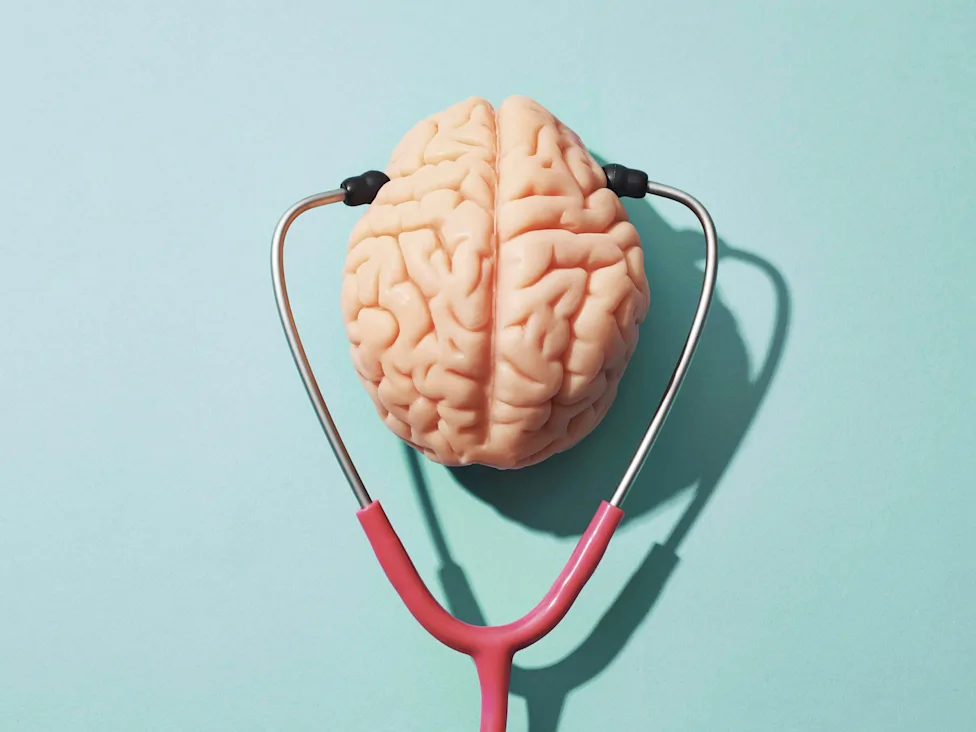
If you’re a wellness-savvy person, you’re likely familiar with habits that can sabotage brain health. Examples include , lack of physical activity, and not eating enough whole foods, just to name a few. But what about the not-so-obvious things that can subtly mess with your brain? Though they might seem harmless in the moment, such practices can deteriorate your cognitive ability and performance over the years. Here, experts explore the hidden habits that can harm your brain function, and why you should keep them in mind.
01 of 07
Overlooking Social Relationships
For some of us, it can be easy to coast through life without spending much time with other people. This is especially true if you work from home, just moved to a new city, or genuinely enjoy spending time alone. However, failing to foster can do a number on your brain, especially as you get older. According to Stephanie Smith, LMFT, family therapist at Kaiser Permanente, loneliness and social isolation can negatively affect mental health, potentially leading to anxiety, depression, and thoughts of self-harm or suicide. “Additionally, when we have quality social relationships, the people in our lives can remind us to engage in healthy behaviors and redirect us when we are engaging in unhealthy behaviors,” Smith says.
02 of 07
Overdoing Screen Time
Excessive or meaningless can scatter your attention, says David Perlmutter, MD, FACN, ABIHM, neurologist and author of Brain Defenders: Harness the Power of Your Immune Cells to Safeguard Your Brain’s Destiny. “When you’re constantly checking notifications or scrolling, your brain gets used to short bursts of information,” Perlmutter says. This can make it harder to sit still and focus on something meaningful, and eventually, it can negatively affect mood, attention, and even relationships. “Screens at night can also interfere with sleep, and good sleep is essential for brain repair and memory,” Dr. Perlmutter adds.
Also, it’s worth noting that there’s a correlation between heavy social media use and an increased sense of loneliness. “If you’re noticing you are less engaged in other healthy activities than you used to be or feeling an increased sense of loneliness, it’s a great time to assess your usage of technology and look for opportunities to make small adjustments that might make a big difference,” Smith says. anyone?
03 of 07
Not Getting Enough Sunlight
Without regular , your cognitive function (and mood!) can decline over time. That’s because sun exposure impacts the production of serotonin, a neurotransmitter responsible for lifting our mood, Smith says. Natural sunlight exposure also increases production of , a nutrient involved in regulating mood. In fact, low vitamin D levels are linked to mood changes, including symptoms of depression and anxiety, according to Smith.
Plus, inadequate sunlight exposure can disrupt your sleep, another factor affecting mood. As Smith explains, sunlight impacts the body’s internal clock and production of melatonin, which influences your ability to sleep. Thus, without enough sun exposure, you may have a hard time sleeping (and feel cranky AF).
04 of 07
Not Stimulating Your Brain Often
After a long day, it can be tempting to zone out in front of the TV—we get it. But if you’re not making time to , your brain function can suffer. “Regular brain stimulation can spur new neural connections and help the brain continue to grow new cells,” Smith says. “This is called ” She goes on to add that the brain continues to grow throughout our lifetime, and engaging in stimulating activities can help prevent brain atrophy. Think creative hobbies, reading, journaling, or doing puzzles.
05 of 07
Blasting Music in Your Headphones
“When you listen to music at very high volumes, you can damage the tiny structures in your inner ear that allow you to hear clearly,” Dr. Perlmutter says. “Once they’re damaged, they don’t come back.” This can contribute to hearing loss, but it doesn’t just affect your ears; it also impacts your brain. “When hearing declines, the brain has to work harder to understand speech and sounds. That extra strain can affect memory and thinking over time.”
To protect your ears and brain, Dr. Perlmutter offers a simple guideline: “If someone near you can hear your music through your headphones, it’s too loud. And if your ears are ringing after you take them off, you’ve definitely overdone it. Protecting your hearing is protecting your brain.”
06 of 07
Eating Too Much Salt
Watching your isn’t just good for your heart; it’s also beneficial for your brain. According to Dr. Perlmutter, when you eat too much salt, you’re putting stress on your blood vessels. “Over time, that can raise blood pressure and make the vessels that feed the brain less flexible,” he says. However, the brain depends on a steady, healthy blood flow—so if those vessels are stiff or narrow, the brain can’t efficiently get the oxygen or nutrients it needs, he notes. “High salt can also increase inflammation in the body, and inflammation is certainly not friendly to the brain.”
07 of 07
Multitasking
Sorry, multitaskers, but can actually harm your brain. “Your brain isn’t doing two complex things at once; it’s jumping between them,” Dr. Perlmutter explains. And every time you switch, your brain has to reset, which takes energy. “Over time, constant switching can make it harder to focus deeply on anything. You may notice more mistakes, more forgetfulness, and less ability to concentrate.” Smith shares a similar sentiment, noting that switching between tasks takes time for the brain. This delay can eventually reduce productivity. What’s more, “people who multitask frequently report and are more likely to experience depression and anxiety,” Smith says.