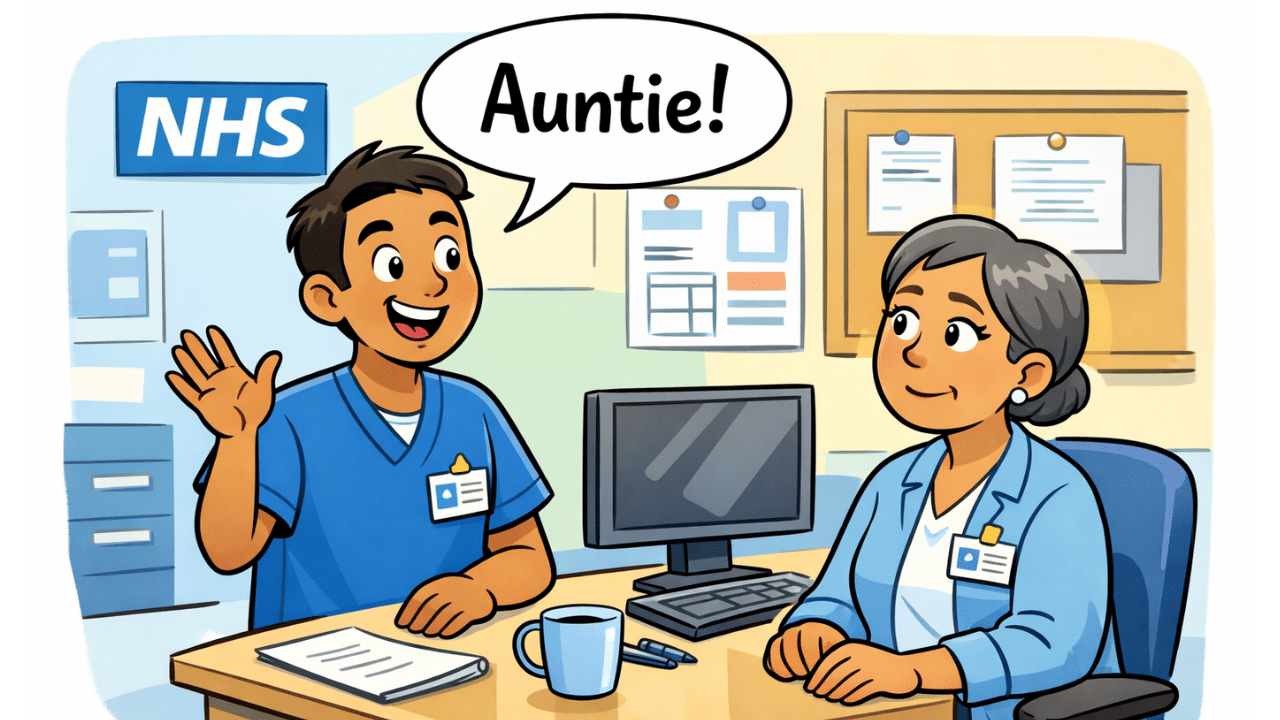
London: An Indian-origin NHS healthcare assistant has been awarded £1,425 (Rs 1.8 lakh) in compensation after an employment tribunal found she was harassed by a colleague who repeatedly called her “auntie”.
Ilda Esteves, 61, told the tribunal that her colleague, nurse Charles Oppong, continued to call her “auntie” despite her asking him to address her by name. She said his constant use of “auntie” was offensive.
61-year-old Indian-origin woman finds ‘auntie’ remark offensive
In a formal complaint email sent in September 2023, she wrote, “A staff member called me auntie multiple times despite telling him to call me by my name. He said you want to be young then!”
She also said he commented on her lipstick and suggested she “would be a good match for a member of staff named George.”
‘Auntie’ respectful in Ghanaian culture
Oppong argued that “auntie” is used as a respectful term for older women in Ghanaian culture. However, the tribunal found his explanation insufficient.
Employment Judge George Alliott said his evidence was “poor” and noted inconsistencies in his testimony. “We found him evasive and vague,” the judge said.
The tribunal concluded that the remarks were inappropriate and amounted to harassment based on age and sex.
‘Offensive attempt at humour’: Tribunal
“We find that Charles Oppong probably did refer to [Esteves] as auntie on a number of occasions and probably did make the comment about her being a match for an older colleague,” the judge said.
He added: “We find that Charles Oppong’s purpose was probably an offensive attempt at humour. We find that [Esteves] did perceive it as creating an offensive environment.”
The ruling also stated that the repeated comments “had the effect of creating an offensive environment” and that “it was reasonable for the comments to have that effect.”
The tribunal acknowledged that “‘auntie’ is, in fact, a term of respect in Ghanaian culture… nevertheless, since it was against her wishes, it would have been offensive to her.”
Esteve’s other claims, including harassment, discrimination, victimisation and unlawful deduction of wages were dismissed.