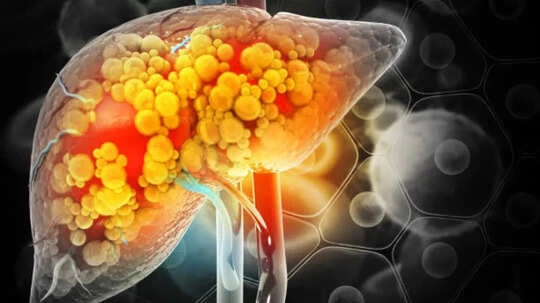
While your liver is a silent warrior, the organ performs various important functions, which include detoxifying blood and producing proteins.
Yet, liver diseases progress stealthily, with symptoms appearing only at advanced stages, making it difficult to treat them.
According to a global health report by the World Health Organisation, more than 2.4 million Indians succumb to liver disease annually, many due to late diagnosis. And so, it is important to recognize the five signs your liver is dying, which could save your life.
Pain in the right shoulder
Pain in the right shoulder – especially if it is a dull ache that may radiate from the upper right abdomen – is a significant sign of liver disease, which includes liver cancer, fatty liver, or even inflammation.
According to experts, there are shared nerve pathways – known as phrenic nerves, causing referred pain. An enlarged liver pressing on nerves or conditions like liver metastasis can trigger, often accompanied by abdominal fullness, jaundice, fatigue, or swelling.
Itchy skin
Constant itchy skin and dryness that doesn’t go away despite moisturisation can be an early sign of liver disease. Also known as pruritus, severe itching is caused by a buildup of bile salts in the bloodstream when your liver is not able to excrete bile, leading to an inflammatory response in the skin.
Your doctor can determine if the itching is related to liver disease and may check for other symptoms or order blood tests like serum alkaline phosphatase levels.
Waking up in the middle of the night
While there may be several reasons why you wake up at midnight, if it becomes persistent, there is a good reason to see your doctor. According to experts, waking up frequently at midnight – especially between 1 and 3 AM – can be a sign of liver issues often linked to hormonal shifts, causing fatty liver disease or MASLD, affecting 60 to 80 per cent of patients. While occasional waking is normal, repeated patterns suggest underlying problems, necessitating a doctor’s visit to address sleep quality as a crucial part of liver health.
It happens as liver problems affect your melatonin production, shifting your sleep-wake cycle. It also leads to toxin buildup, which causes an inverted sleep pattern and confusion. Doctors say a malfunctioning liver disrupts your body’s internal clock and glucose regulation, leading to unstable sleep.
Bloating after you eat
Bloating – especially at the upper right side of your abdomen, which causes fullness or pain after eating – is a sign of liver disease, which may indicate issues like inflammation, fat buildup, or even fluid retention. According to experts, in the long run, it also affects digestion and liver function.
It happens when fat builds up, also known as ascites, which can cause liver damage, causing fluid to collect in the abdomen, making you feel swollen and full. A fatty or inflamed liver becomes enlarged, causing pressure, pain, and bloating in the upper right abdomen.
Not satisfied after a meal
Not feeling satisfied or full after eating or even nausea with small amounts of food is a sure sign of something being wrong with your liver, according to doctors. Experts say it happens due to your liver’s struggle to process nutrients and toxins, which leads to digestive upset and changes in metabolism, especially when paired with fatigue, abdominal pain, or jaundice.