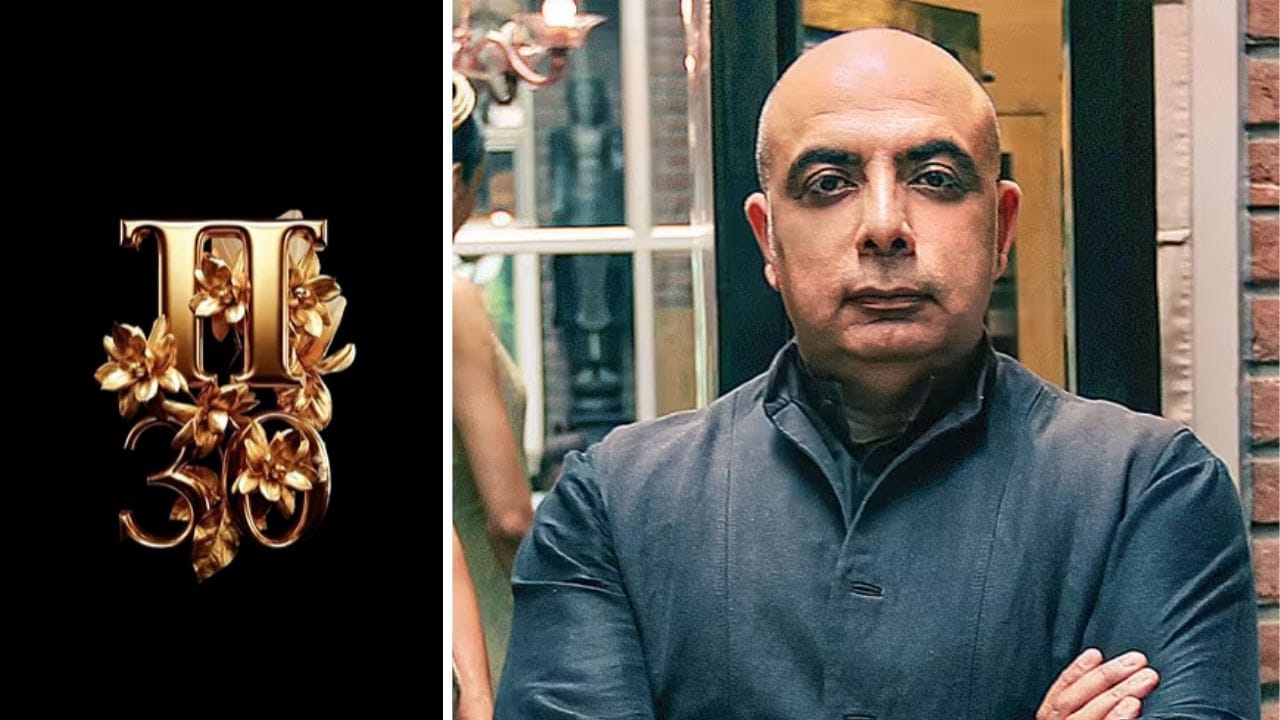
New Delhi: Marking three decades in fashion, top designer Tarun Tahiliani addressed guests at Taj Falaknuma Palace with gratitude and reflection rather than spectacle on January 16, 2026. The Hyderabad presentation became a visual and intellectual journey through Indian fashion, tracing how cloth, drape, and personal expression shaped identity across centuries. Tahiliani described India as a textile civilisation, where garments evolved through wrapping and movement, long before structured tailoring entered the vocabulary of dress.
He explained that the absence of early visual records meant sculpture, murals, and miniature paintings became the only way to understand how Indians dressed. Despite absorbing influences across time, Indian fashion remained rooted in fabric. The same drape, he noted, could look entirely different on different people, shaped by body, posture, and individuality, making sameness impossible.
Key highlights of Tarun Tahiliani’s speech
Drape as foundation of Indian fashion
Tahiliani stressed that Indian fashion was never constructed in the Western sense. It was instinctive and fluid. The saree, in particular, evolved as a living garment meant to be reimagined, not replaced. His structured drapes and concept sarees emerged when younger women began to feel disconnected from traditional wearing styles.
Textiles, ornamentation and history
Moving across Ajanta, Ellora, Elephanta, and Mughal India, he highlighted gossamer fabrics, drawstrings, belting, and subtle ornamentation. Fullness once signalled prosperity, while sheerness served climate and comfort. Craftsmanship reached its peak in periods of stability, with textiles woven using real gold and silver.
Colonial influence and visual clarity
British tailoring introduced structure and documentation, altering Indian dress. Paintings by Raja Ravi Varma became rare visual records of clothing, while figures like James Kirkpatrick reflected layered cultural exchange. Fashion gradually took clearer form as technical expertise developed.
From khadi to India’s modern
Post-independence, khadi symbolised self-reliance and restraint. In 1987, Tahiliani co-founded Ensemble in Bombay to bring Indian designers back to Indian audiences. A Milan showcase in 2003 pushed him to define “India modern”, blending craft with contemporary sensibilities. Despite early production challenges, his designs endured, proving their timelessness.
Looking back on 30 years, Tahiliani emphasised that Indian fashion does not need reinvention. Rooted in drape, shaped by history, and guided by individuality, its strength lies in remembering how cloth was lived in, not forced into trends.