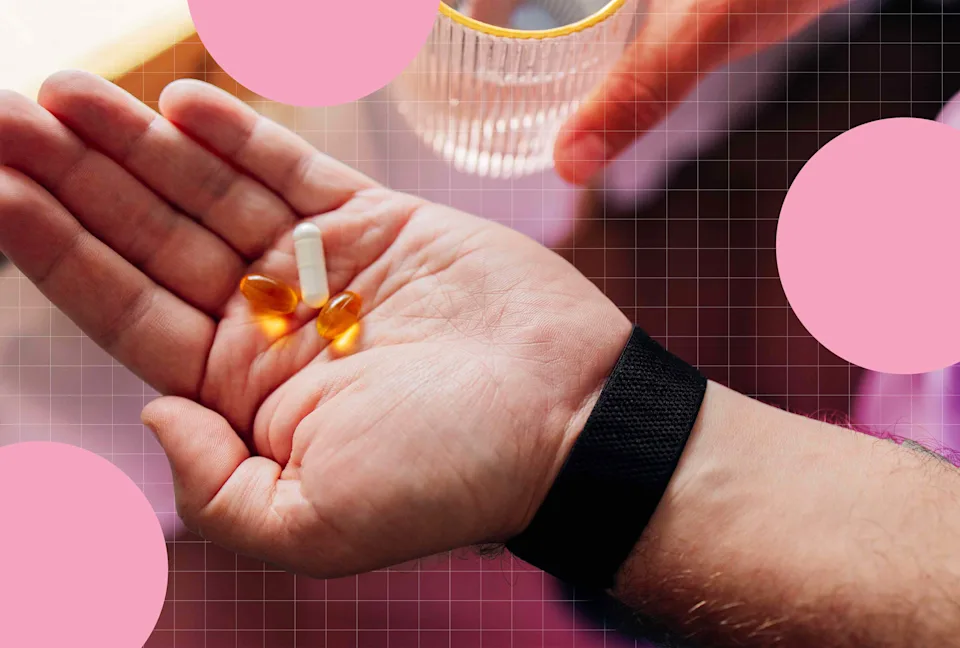
While many supplement labels say to take them with food, some require an empty stomach for maximum absorption. That’s because various compounds in food can reduce your body’s ability to absorb certain nutrients, making some supplements less effective if you take them after a meal. Dietitians say that these three vitamin and mineral supplements may be better absorbed on an empty stomach, and they share tips for using supplements safely.
1. Iron
Iron deficiency is one of the most common worldwide. “Iron deficiency is common, especially among females and athletes,” says “If you’re taking a supplement, you’ll want max absorption to improve your iron levels and reduce symptoms.” Everything from whole grains to beans, nuts, seeds, dairy, coffee and tea can reduce absorption. In one study, iron absorption was reduced by 54% when the supplement was taken with coffee and by 66% when taken with breakfast and coffee.
But not everyone can tolerate iron on an empty stomach. “Iron can cause nausea or stomach pain for some people, so this might not work for everyone,” says . That same study also showed that taking iron with a glass of orange juice led to four times as much absorption. That’s likely thanks to the juice’s vitamin C, which can actually support iron absorption. If you struggle to take your iron supplement on an empty stomach, try taking it with a snack rich in vitamin C, such as an orange, kiwi or strawberries. This could help.
2. Zinc
Zinc supports your immune system and helps wounds heal, but, like iron, it doesn’t always pair well with food. “Phytates, found in foods like legumes or whole grains, bind zinc and may reduce how much your body absorbs,” says Reisdorf.
In one small study, men who took zinc on an empty stomach for two weeks had 18% higher blood levels than those who took it with breakfast. However, the same study found taking zinc with food increased essential fatty acid metabolism, indicating potential increased effectiveness, even if less is absorbed, so researchers are still sorting out which method is truly best.
If you’re taking both zinc and iron supplements, you’ll want to take them separately. When taken together on an empty stomach, an iron supplement that is 25 milligrams or higher reduces zinc absorption.
3. Folic Acid
We all need folate, but it’s especially important for women who are or could become pregnant. Adequate folate levels during pregnancy help prevent neural tube defects in the growing fetus. While folate is found in a variety of foods, the Food and Drug Administration began requiring food manufacturers to fortify enriched grain products like cereals, bread, flour, pasta and rice with the supplemental form, folic acid, in the late 1990s.
If you’re taking a supplement form of folic acid to meet your intake goals, taking it without food can lead to almost 100% absorption, while you may absorb only 85% when taking it with food. But if you’re taking your folic acid as part of a or prenatal supplement that upsets your stomach if taken without food, that difference in absorption may not be worth the nausea. Eating a few folate-rich foods in addition to your supplement, like fortified cereals or bread, leafy greens, peas or beans, can make up the difference.
Expert Tips for Choosing Supplements
-
Start with a clear reason. “When choosing a supplement, start with a clear reason for taking it, such as a documented deficiency,” says Reisdorf. Talk to your physician, a pharmacist or a registered dietitian about your blood work and whether supplements would be useful for addressing any deficiencies.
-
Look for independent, third-party verification. The FDA doesn’t review supplements for safety or effectiveness before they’re sold, so independent, third-party verification is important for ensuring purity and potency. “I always recommend choosing third-party-tested supplements,” says Sergi. “These verify that the supplement contents match the label and screen for contaminants.” Look for reputable third-party verification seals, like Informed Choice, NSF or USP.
-
Check for medication interactions. Many supplements are “natural,” but that doesn’t necessarily mean they’re safe, especially if you take prescription medications. “If you take prescription medications, consult a health care provider before starting a supplement,” says Sergi. Some supplements can make your medications more or less effective or cause dangerous side effects.
-
More isn’t always better. Many micronutrients have tolerable upper limits (ULs), and doses at or below this amount are most likely safe. “Going above it may increase your risk of side effects and, depending on the supplement, may even be toxic,” says Sergi. Be cautious if you take multiple supplements, as you can unintentionally exceed the upper limit if they have overlapping nutrients.
Our Expert Take
Not every supplement can or should be taken on an empty stomach, but to maximize absorption, take iron, zinc and folic acid without food. For these, compounds and nutrients found in everyday foods can block absorption. But if taking any of these supplements on an empty stomach makes your stomach hurt, adding a small snack is better than skipping it altogether. For guidance about which supplements to take and how to take them, talk to your health care provider.