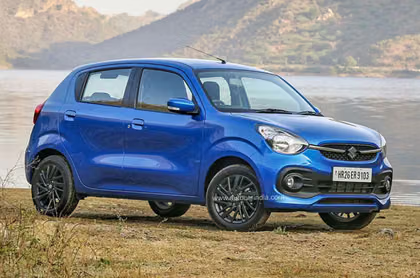
The is positioned between the more affordable Alto K10 and the even more popular Wagon R in ’s line-up. Priced between Rs 4.70 lakh and Rs 6.75 lakh (ex-showroom), the Celerio is available in petrol and CNG versions with manual and AMT gearbox options, just like its rivals. While the second-gen model arrived on the entry-level hatchback scene in 2021, it hasn’t received a single facelift in the following five years, placing it at a disadvantage over some of its competitors. This Heartect platform-based hatchback goes up against the likes of the new-gen Tata Tiago and its own stablemate, the Wagon R.
Maruti Suzuki Celerio
Reasons to buy the Maruti Celerio
City slicker
The Celerio’s urban-friendly demeanour is great for regular commutes
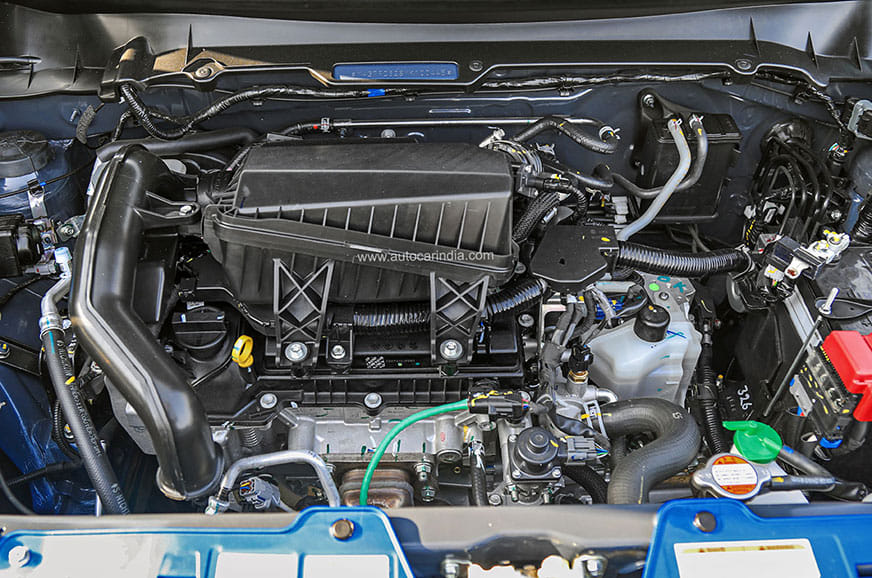
One of the factors making the Maruti Celerio a great urban runabout is its 1.0-litre three-cylinder engine. It builds power smoothly right from lower RPMs, which, along with a slick 5-speed manual gearbox and a light clutch, make pottering around town an easy affair. Those seeking an even easier time commuting can pick the AMT (automated manual transmission), whose shifts are relatively smooth as far as AMTs go.
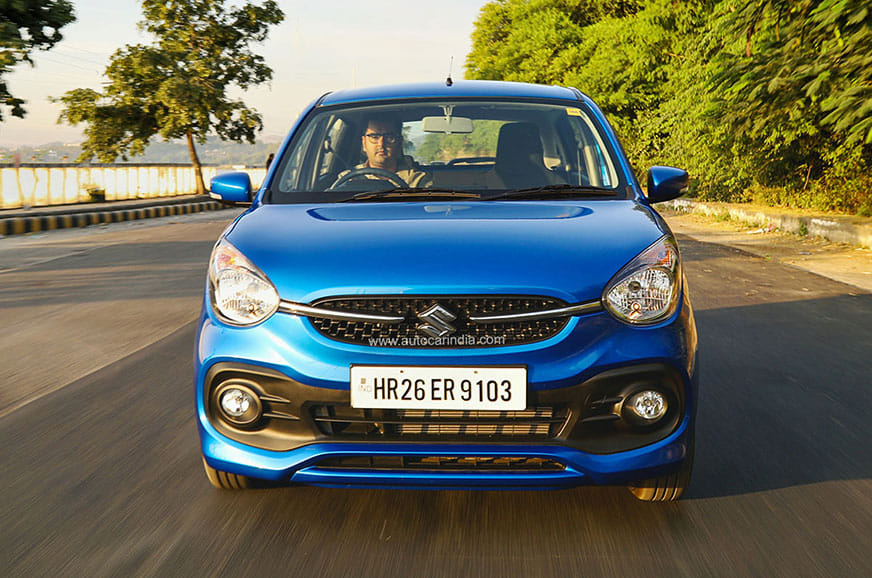
Helping matters further in the city is the pliant suspension, which soaks up bumps at lower speeds without much fuss. The light steering, tight turning radius and good front visibility also go a long way in helping you navigate compact parking spots and bustling city traffic. And despite its cost-friendly design, the height-adjustment feature for the driver’s seat means finding a suitable position isn’t too much of an issue.
Efficiency champ
This is Maruti Suzuki’s most frugal offering in the country
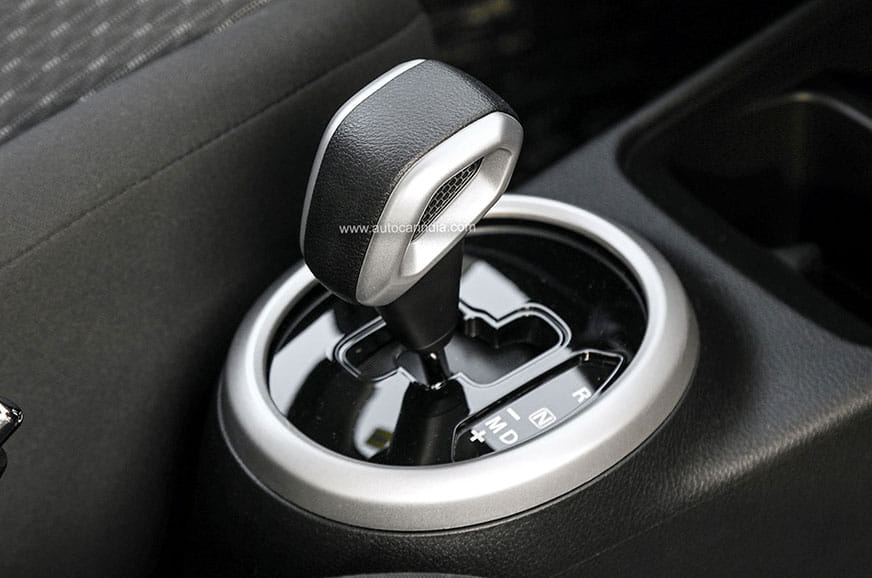
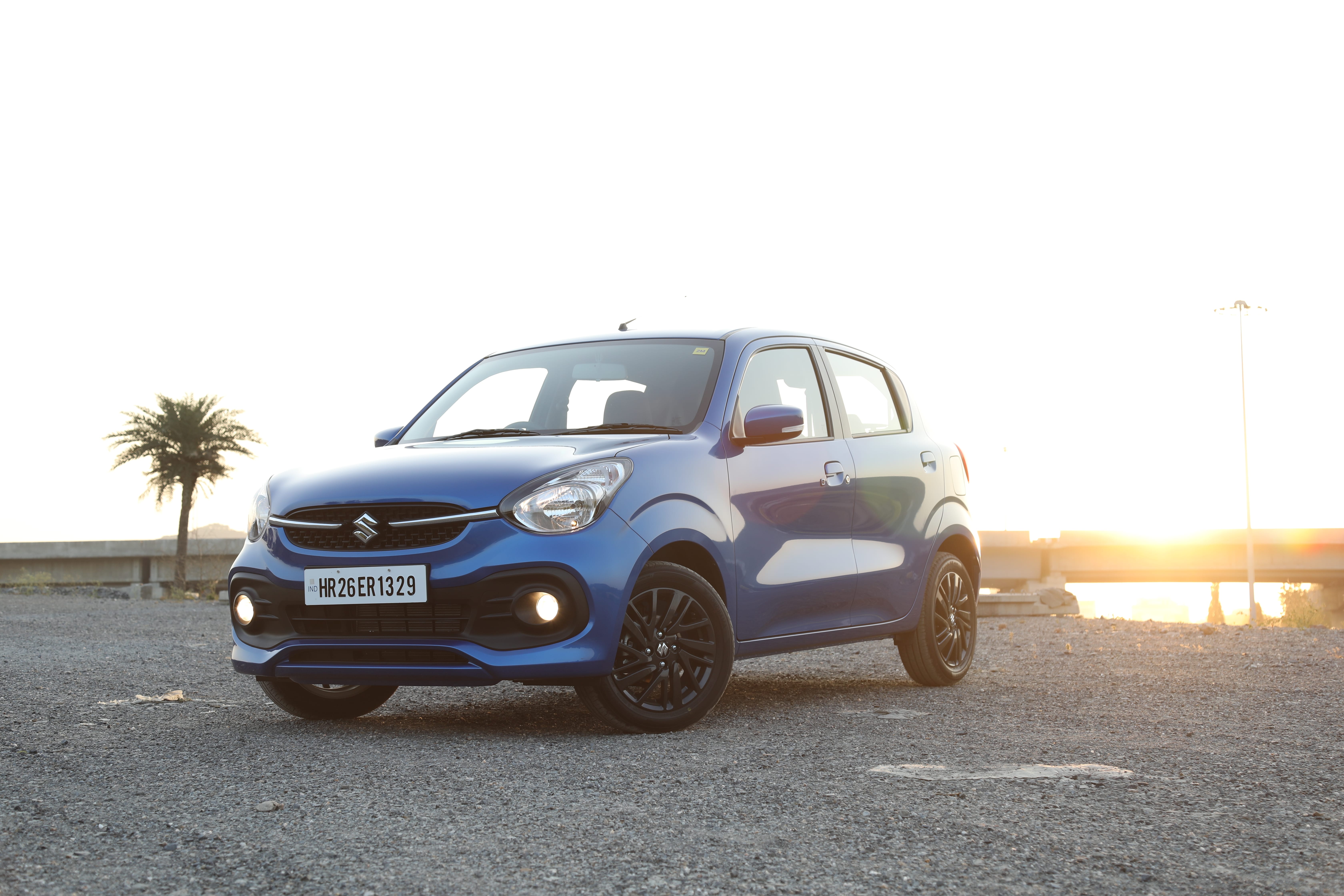
Not only is it easy to drive, but the Maruti Celerio will not have you complaining about fuel economy either. The petrol version with the 5-speed manual transmission has a claimed mileage of up to 25.24kpl, while the AMT option is rated at 26kpl – making the Celerio AMT the most fuel-efficient petrol car in the market. All variants of the Celerio come with an automatic engine stop-start function, further reducing fuel consumption. While this feature isn’t enabled when running on CNG (in VXi MT only), the claimed mileage of 34.43km/kg is better than that of the Maruti Wagon R CNG and Renault Kwid CNG.
Roomy boot
The Celerio’s boot affords more space than some rivals
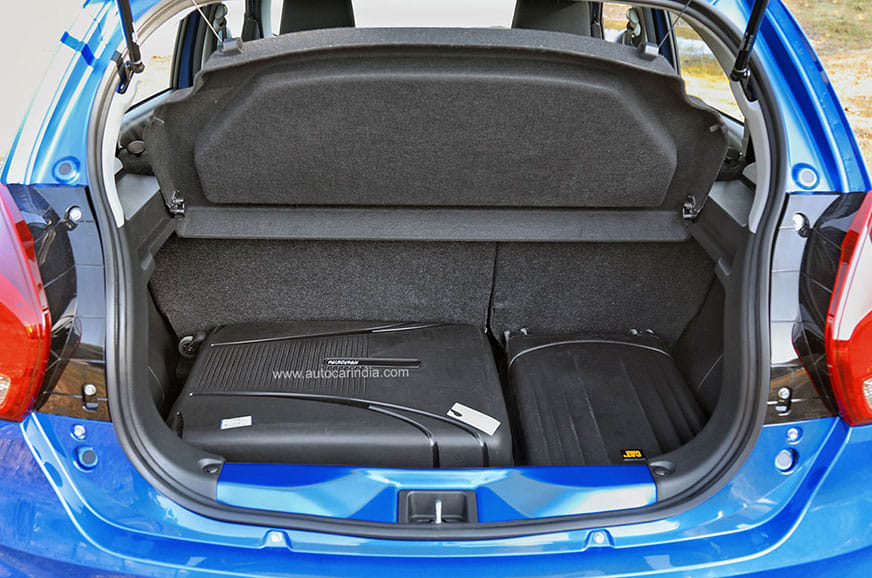
At 292 litres, the boot of the Maruti Celerio is bigger than those of rivals such as the Tata Tiago and Renault Kwid. This is enough to accommodate two large suitcases and a couple of carry-on-sized bags, with still some room to spare. If you need even more space, the 60:40 split-folding rear seats will come in handy. On the other hand, the loading lip is high and relatively narrow, making loading or unloading heavier items cumbersome.
Reasons to avoid the Maruti Celerio
Ergonomic niggles
This interior has a few sore points that’ll take getting used to
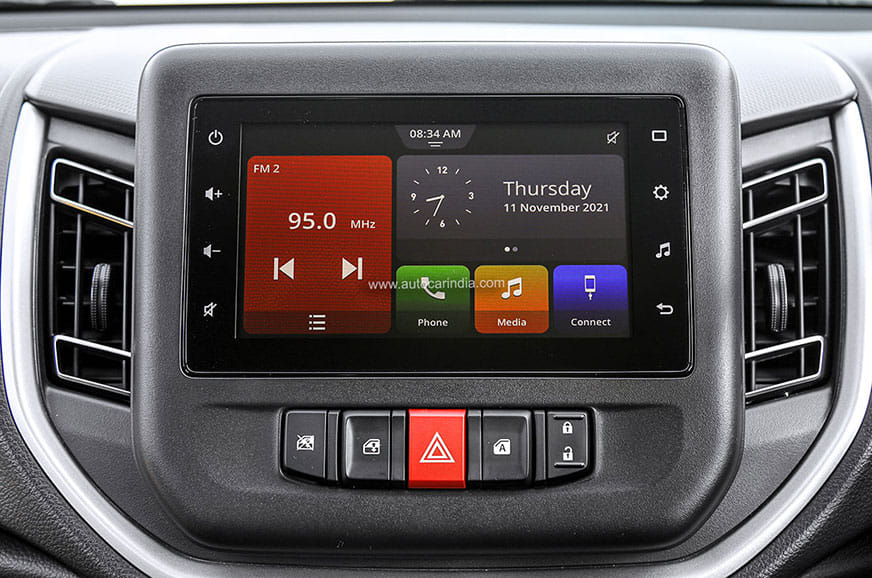
Compared to most of its adversaries, the power window switches of the Maruti Celerio aren’t placed on the doors. The front ones are positioned on the dashboard, while the rear switches are found on the rear centre pedestal between the front seats. Buttons to operate the door and power-window locks are also on the dashboard. Then there are the thick A-pillars, which can obstruct your view at junctions and roundabouts.
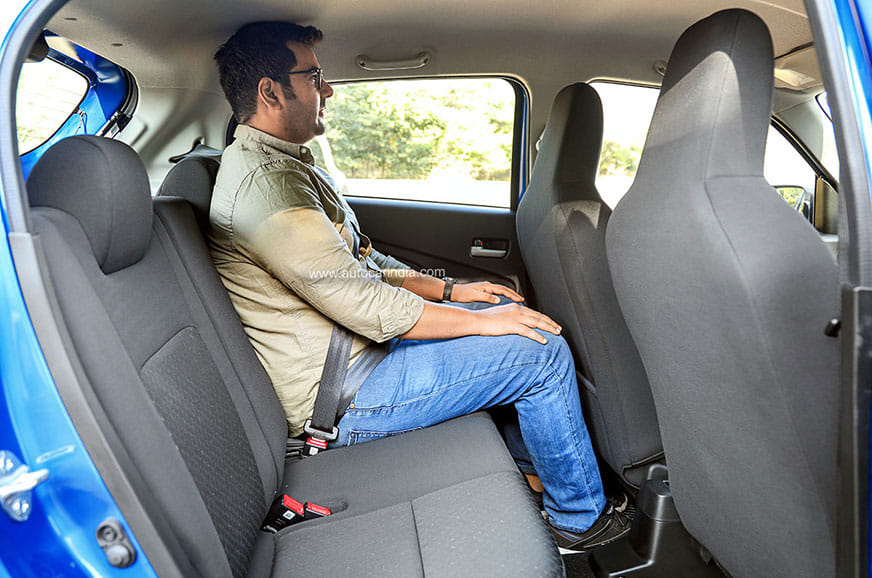
The well-cushioned rear seats of the Celerio offer plenty of kneeroom for even taller occupants. However, headroom isn’t all that good, and the fixed headrests are positioned way too low to be effective. The angled design of these headrests also means that they poke into your back, which can be uncomfortable.
Unimpressive material quality and feature set
The Celerio’s cabin isn’t the most up-to-date in this segment
When compared to the new-gen Tata Tiago, the interior of the Maruti Celerio looks and feels a touch dated. There are plenty of hard plastics, which, even though accompanied by shiny trim and a sculpted dashboard, feel pretty basic. The relatively simple design is backed by an equipment list that isn’t particularly competitive either.
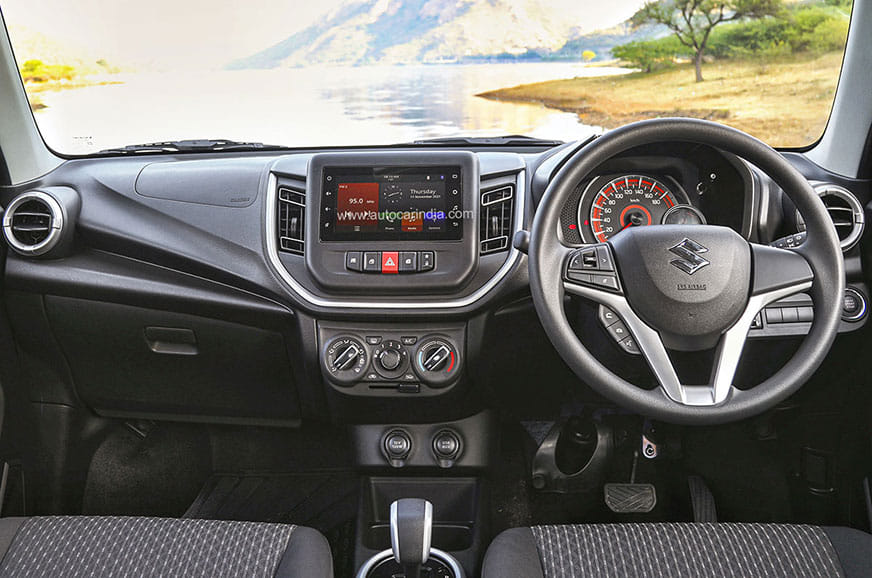
For instance, even the top trim of the Celerio doesn’t come with a rearview camera. There’s also no automatic climate control system, while Apple CarPlay and Android Auto both require a wired connection. The touch-infotainment screen is a 7-inch unit, whereas a similarly priced Tata Tiago offers an 8-inch setup. On the outside, the Maruti Celerio gets the old-school ‘flip-up’ door handles.
Imperfect on highways
This hatchback isn’t particularly meant to be driven hard or fast
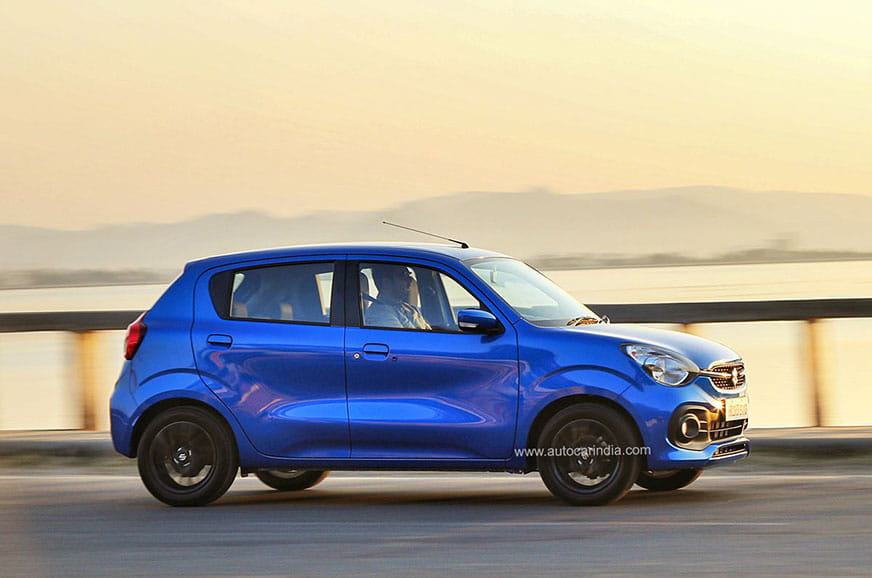
While it’s perfectly at home in the city, the Maruti Suzuki Celerio isn’t as good out on the open road. The lifeless steering aside, the body moves around enough – both of which rob you of the confidence required to push the car any harder.