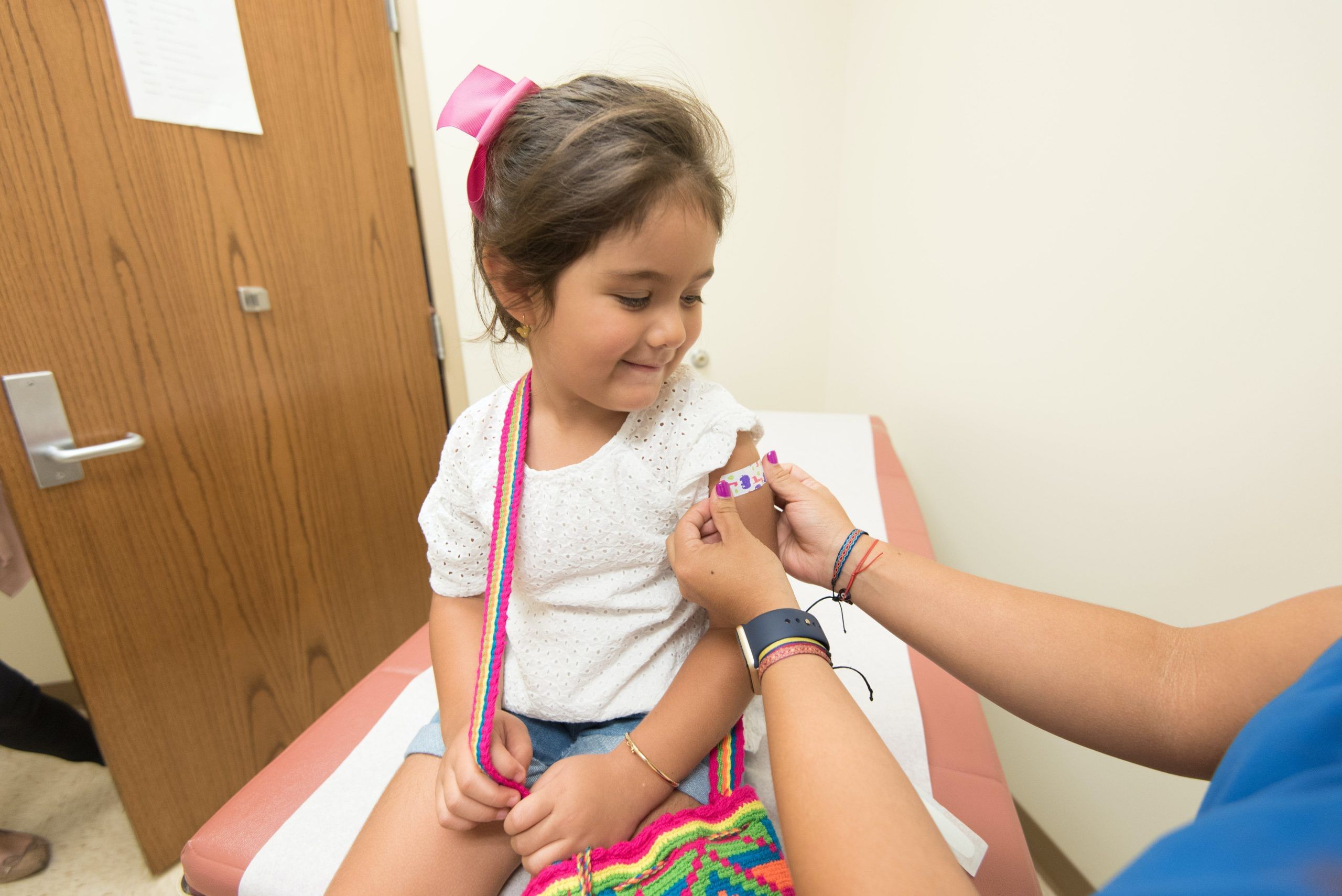
New Delhi: Parents, it’s 2026, and it is necessary to plan the child’s vaccination schedule right away! Updated vaccines and smarter schedules in 2026 will help children become stronger and provide safer protection from preventable diseases. Here, the expert helps to understand what’s new in paediatric immunization in 2026 and how they offer broader protection with fewer injections. It is time for parents to prioritise vaccination in 2026 and help their child stay in good health.
Dr Amit Gupta, Senior Consultant- Paediatrician & Neonatologist, Motherhood Hospitals, Noida, spoke about the importance of vaccinating children this year.
Vaccination has always been effective in protecting children from serious infections. Paediatric immunisation not only keeps individual children healthy but also protects the community by preventing the spread of diseases. As infections evolve and medical science advances, immunisation guidelines are regularly updated. In 2026, paediatric immunisation programs are seeing important changes focused on broader protection, fewer injections, and better safety for children.
Why paediatric immunisation is important for children
Children have developing immune systems, which makes them more vulnerable to infections. Diseases like measles, whooping cough, polio, hepatitis, and influenza can cause serious complications in infants and young children. Vaccines help the body build immunity early, reducing the risk of severe illness, hospitalisation, and long-term health problems. Timely vaccination will aid in preventing outbreaks in schools and communities, keeping children safe and healthy.
Updated immunisation strategies in 2026 place special focus on high-risk children, including preterm babies, children with asthma, congenital conditions, frequent infections, or weakened immunity. These children may need additional protection or adjusted schedules under paediatric guidance. Paediatric immunisation in 2026 is moving away from a one-size-fits-all approach. Paediatricians now tailor vaccine schedules based on a child’s age, health status, missed doses, and risk factors to ensure optimal protection.
2026 Vaccine Update: Understand what’s new in paediatric immunisations
- Updated combination vaccines: Did you know? Newer combination vaccines tend to offer protection against multiple diseases with fewer injections. This reduces pain, clinic visits, and stress for both children and parents, while ensuring full protection. There is also a strong focus on catch up vaccine. Many children missed routine vaccines during the pandemic years, and the 2026 guidelines encourage parents to review the child’s vaccination status and complete missed doses without restarting the entire schedule.
- Expanded HPV vaccination for adolescents: HPV vaccination coverage is being strengthened when it comes to both boys and girls. It is a known fact that timely vaccination helps prevent cancers and infections associated with the virus in the near future.
- Enhanced influenza vaccines: Updated flu vaccines with better strain coverage promise to give stronger protection against seasonal influenza, especially for children with asthma or having weak immunity. So, get the flu shot without fail and stay healthy.
- New RSV protection for infants: Respiratory Syncytial Virus (RSV) is a common cause of severe lung infections in babies. New preventive options, including long-acting injections for infants, are gaining importance in immunisation schedules.
- Focus on booster doses: Updated booster recommendations ensure continued immunity as children grow. Boosters help maintain protection against diseases like diphtheria, tetanus, and pertussis.
- Digital vaccine records: Many health systems are encouraging digital immunisation records to help parents track vaccines easily and avoid missed or delayed doses.
Paediatric immunisation in 2026 focuses on smarter, safer, and more comprehensive protection for children. Immunisation remains one of the strongest foundations for a healthy childhood and a safer future.