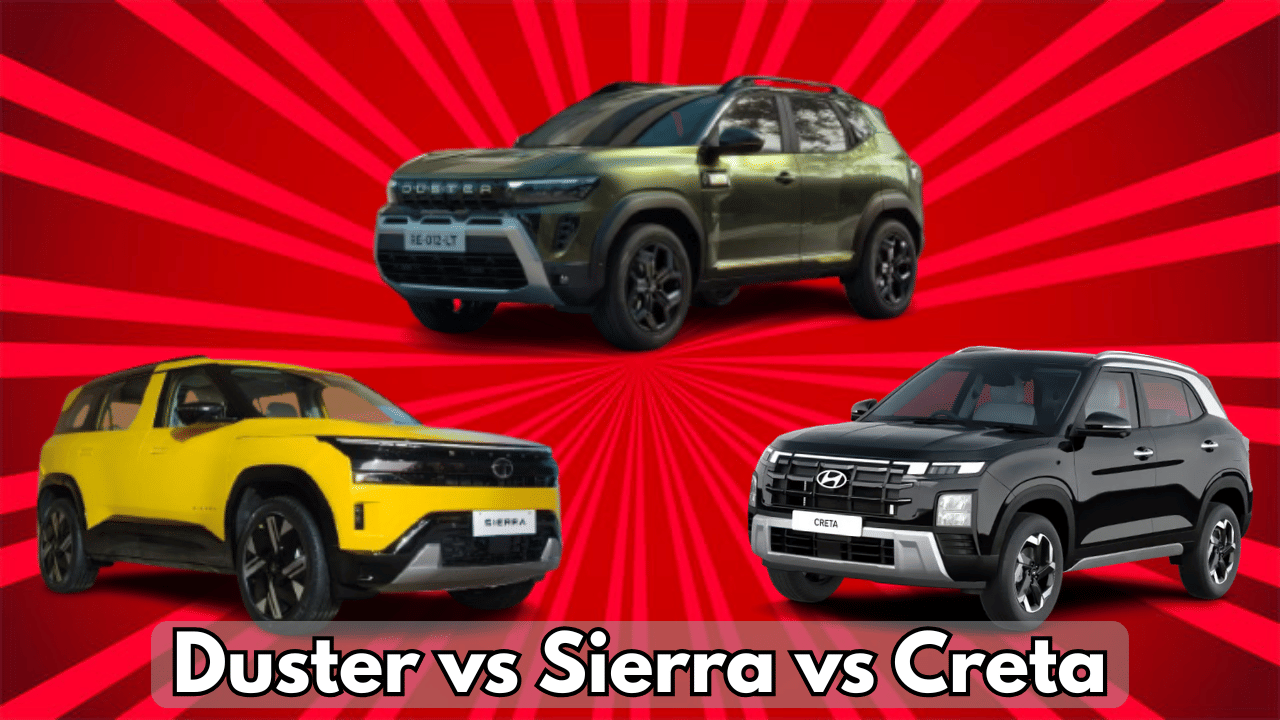
New Delhi: The return of the Renault Duster in 2026 has added fresh competition to the midsize SUV segment. It will go up against the all-new Tata Sierra and the Hyundai Creta, which is already a familiar name in this space. While prices of all three models are yet to be announced, their engine options, features and overall focus already set them apart.
Creta is available in petrol, turbo-petrol, diesel and also EV powertrain options. However, Tata Sierra has a turbo-diesel, petrol, and this year they may introduce the EV option for Sierra. Back to Duster, it is equipped with a petrol and a strong-hybrid engine.
2026 Duster vs Sierra vs Creta: Engine and powertrain options
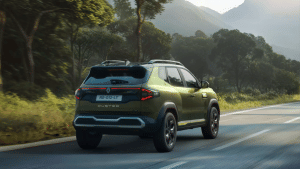
2026 Renault Duster
Starting with powertrains, the new-generation Renault Duster offers the widest range. The highlight is a 1.8-litre four-cylinder petrol engine paired with two electric motors as part of Renault’s E-Tech 160 hybrid system. This setup produces 160 bhp and 172 Nm of torque. Apart from the hybrid, the Duster will also get a 1.3-litre turbo-petrol engine in two versions. One version makes 160 bhp and 280 Nm and can be paired with either a six-speed manual or a DCT gearbox.
Another version produces 163 hp and 280 Nm. For buyers looking at an entry-level option, Renault will offer a 1.0-litre three-cylinder turbo-petrol engine producing 100 bhp and 160 Nm, available only with a six-speed manual. On paper, the Duster clearly focuses on offering more engine choices than its rivals.
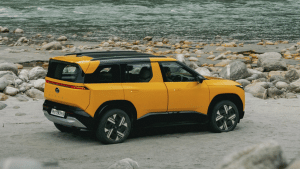
Tata Sierra
The Tata Sierra follows a different approach, with a mix of petrol and diesel options. It will be offered with a 1.5-litre Kryojet turbo-diesel engine that produces 118 PS at 4,000 rpm. Torque figures stand at 260 Nm for the manual version and 280 Nm for the automatic.
On the petrol side, the Sierra gets a new 1.5-litre TGDi Hyperion engine, along with a 1.5-litre naturally aspirated Revotron engine. The NA petrol makes 106 PS at 6,000 rpm and 145 Nm at 2,100 rpm. This engine can be paired with either a six-speed manual or a seven-speed DCT, giving buyers both comfort-focused and performance-oriented options.
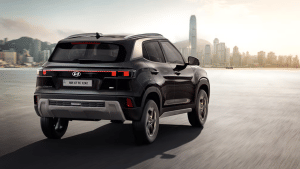
Hyundai Creta
Hyundai’s Creta continues with its well-known engine lineup. It is offered with a 1.5-litre naturally aspirated petrol engine producing 115 bhp, a 1.5-litre diesel making 116 bhp, and a 1.5-litre turbo-petrol engine generating 160 bhp. Gearbox options include a six-speed manual, CVT and torque converter automatic. The turbo-petrol version is paired only with a seven-speed DCT. While there are no major mechanical changes, this lineup has already proven reliable and flexible for daily use.
2026 Duster vs Sierra vs Creta: Features
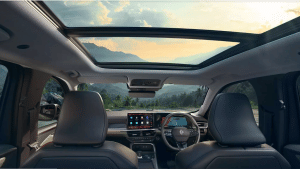
2026 Renault Duster interior
In terms of features, the 2026 Renault Duster is a big step up from the older model. It gets a dual-screen setup with a 10.1-inch touchscreen infotainment system that supports wireless Android Auto and Apple CarPlay. There is also a 7-inch digital instrument cluster running Google OS. Other features include ambient lighting, dual-zone climate control, a panoramic sunroof, ventilated and six-way powered front seats, a wireless charger, a powered tailgate, an electronic parking brake with auto-hold and an Arkamys sound system. Safety equipment includes six airbags, a 360-degree camera and Level 2 ADAS.
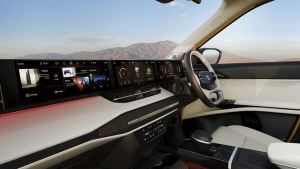
Tata Sierra interior
The Tata Sierra focuses heavily on design and cabin technology. It features illuminated Tata branding, touch-based controls and a strong emphasis on sound quality with a 12-speaker JBL audio system and a SonicShaft soundbar. Comfort features include dual-zone climate control, a large panoramic sunroof, powered and ventilated front seats, rear sunshades and a wireless charger.
Safety is also a strong point, with Level 2 ADAS, a 360-degree camera, electronic parking brake, dual blind spot monitoring, ESP with 21 functions, six airbags, Isofix mounts and three-point ELR seatbelts for all passengers.
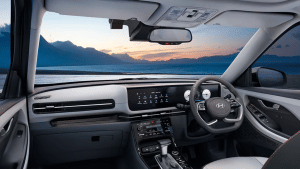
Hyundai Creta interior
The Hyundai Creta takes a more practical route. It offers features such as a panoramic sunroof, dual-zone automatic climate control and ventilated front seats. Safety equipment includes electronic stability control, hill start assist and an emergency stop signal. Instead of pushing new ideas, the Creta sticks to a familiar and balanced package.