New Delhi: Akhilesh Mishra, CEO of BlueKraft Digital Foundation and former director of MyGov, has described 2025 as a watershed year in India’s economic and governance journey, crediting the Narendra Modi-led government with undertaking bold, structural reforms that have reshaped the country’s economic architecture.
In a detailed commentary, Mishra said 2025 represents “not incremental reform, but irreversible shifts” in how the Indian state approaches taxation, labour, capital, energy, welfare and regulation. According to him, the year stands out for undoing decades of policy hesitation without creating instability or social disruption.
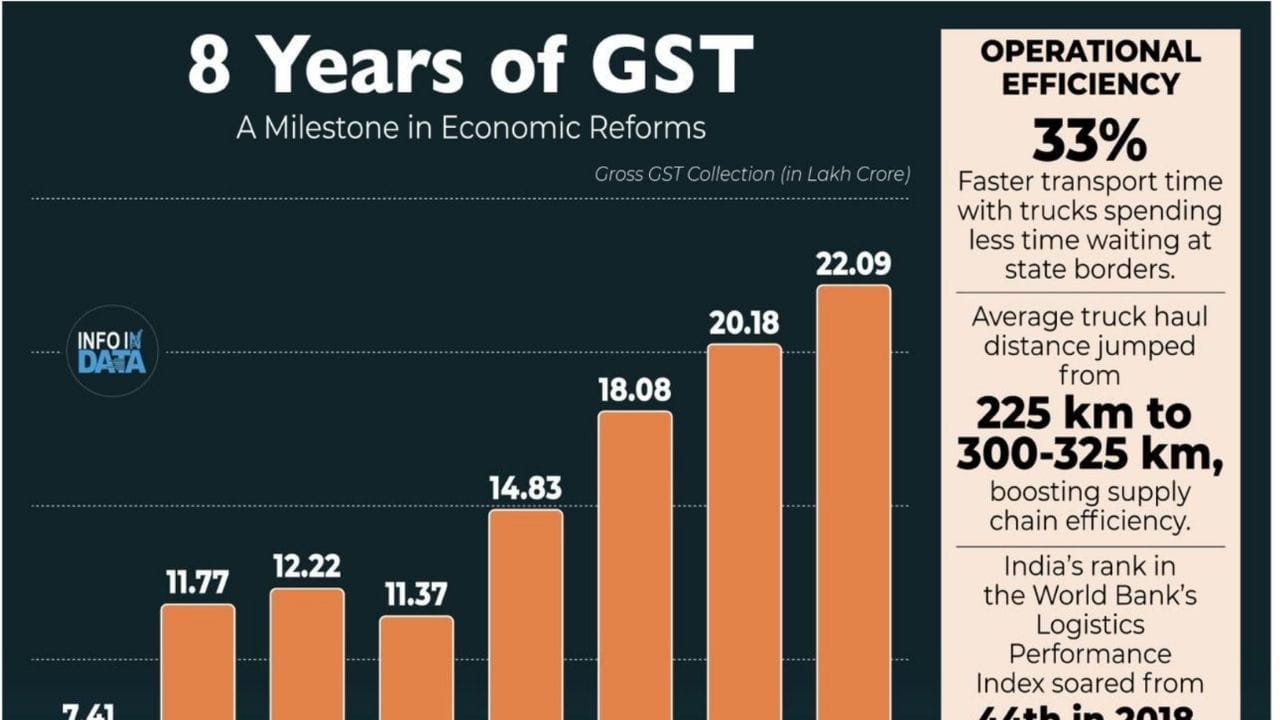
Highlighting the rollout of GST 2.0, Mishra noted that India has moved from a complex tax regime to a confidence-based system with just two primary slabs of 5% and 18%, zero-rating of essentials, and progressive taxation on luxury and sin goods. Citing Ministry of Finance data, he pointed out that household tax burdens on essentials have fallen sharply, while compliance and consumption have risen.
He also underlined the significance of the 2025 income tax reforms, which provide zero tax liability up to ₹12 lakh (Rs 12.75 lakh for salaried individuals). “The aspirational class has finally exited survival mode,” Mishra said, adding that higher disposable incomes have driven spending, growth and record direct tax collections despite lower rates.
Other major reforms highlighted include the SHANTI Bill opening India’s nuclear energy sector to regulated private participation, consolidation of 29 labour laws into four modern labour codes, MSME reclassification to encourage scaling up, and the RBI’s clean-up of nearly 9,500 obsolete regulations.
Mishra also cited rural and welfare reforms such as the PM Dhan Dhanya Yojana and the Viksit Bharat G RAM G Bill, which replaces MGNREGA with an asset-led, livelihood-focused employment framework. The decision to allow 100% FDI in insurance was described as a move to boost capital inflows and deepen financial inclusion.
Summing up, Mishra said 2025 has “reset the benchmark” for economic reform in an electoral democracy, proving that large-scale changes can be delivered with execution rather than rhetoric. “If this is the base,” he added, “the years ahead will only compound these gains.”