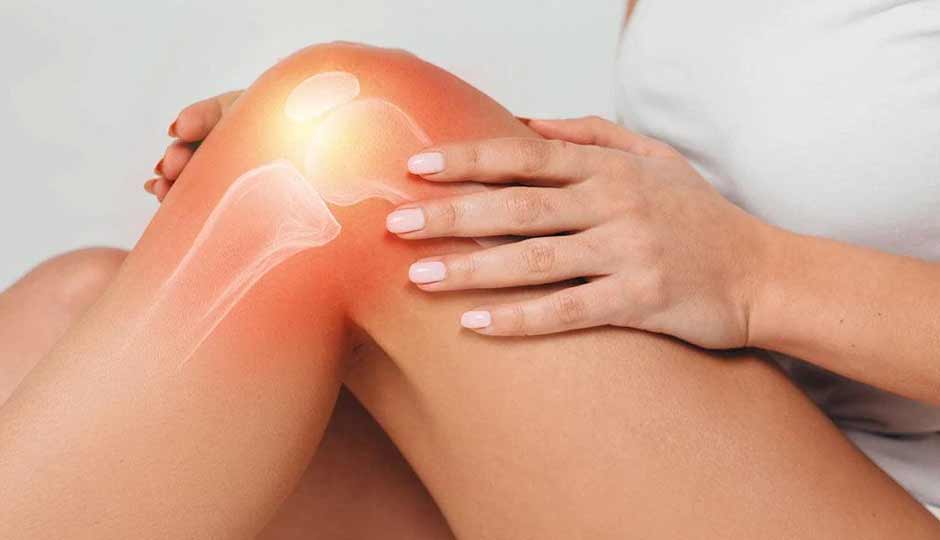
Knee pain is a common health concern that can affect people of all ages. It may develop suddenly after an injury or gradually due to overuse, muscle strain, ageing, lack of physical activity, or underlying joint problems. Since the knees support much of the body’s weight and play an important role in walking, climbing stairs, sitting, and other everyday movements, even mild discomfort can affect mobility and quality of life.
Common symptoms associated with knee pain include soreness, stiffness, swelling, tenderness, difficulty bending or straightening the knee, and discomfort while walking or exercising. In some cases, knee pain may be temporary and improve with adequate rest and simple home care, while persistent or severe pain may indicate an underlying condition that requires medical attention.
Maintaining a healthy weight, staying physically active, strengthening the muscles around the knee, choosing supportive footwear, and avoiding excessive strain can help support overall knee health. For mild discomfort, certain home-care measures may also provide relief. However, it is important to understand the possible cause of knee pain before relying on home remedies, particularly when symptoms are severe, persistent, or accompanied by swelling or injury.
1. Apply a Cold Compress
A cold compress can help reduce pain and swelling, particularly after physical activity or a minor injury.
How to use it:
Wrap a few ice cubes in a thin towel or use a cold pack.
Place it over the painful knee for 15–20 minutes.
Repeat several times a day as needed.
Never apply ice directly to the skin.
Cold therapy is generally more useful when the knee is swollen or painful after activity.
2. Try a Warm Compress
Heat can be helpful when knee pain is associated with stiffness or tight muscles rather than fresh injury or significant swelling.
How to use it:
Apply a warm towel or heating pad to the knee for about 15–20 minutes.
Use comfortably warm—not very hot—heat.
A warm shower or bath may also help loosen stiff muscles.
Avoid heat immediately after an acute injury if the knee is swollen.
3. Give Your Knee Adequate Rest
Overuse can aggravate knee pain. Temporarily reducing activities that put considerable stress on the knee can give irritated tissues time to recover.
For a few days, consider reducing:
Running and jumping
Squats and lunges
Climbing stairs repeatedly
Long periods of standing
High-impact workouts
Rest does not necessarily mean complete bed rest. Gentle movement within your comfort level can help prevent stiffness.
4. Elevate the Leg
If your knee is swollen, elevating the leg may help reduce fluid accumulation.
How to do it:
Lie down comfortably.
Place one or two pillows under your lower leg.
Try to keep the knee and leg elevated above the level of your heart when possible.
Keep the knee supported without putting excessive pressure directly behind it.
Elevation can be particularly useful after prolonged standing or activity.
5. Use Gentle Knee Exercises
Strengthening the muscles around the knee can improve support and reduce stress on the joint over time. However, exercises should not significantly increase pain.
Some gentle options include:
Straight-leg raises
Lie on your back with one knee bent and the other leg straight.
Tighten the thigh muscle of the straight leg.
Slowly raise the leg a few inches.
Hold briefly and lower it slowly.
Repeat several times, provided it is comfortable.
Heel slides
Lie on your back with both legs straight.
Slowly slide one heel toward your buttocks.
Bend the knee as far as comfortable.
Slowly straighten the leg again.
Start gradually and stop if you experience sharp or worsening pain.
6. Stretch the Hamstrings and Calves
Tight muscles around the legs can contribute to discomfort and restricted movement.
Gentle stretching of the:
Hamstrings
Calf muscles
Quadriceps
Hip muscles
may improve flexibility and mobility.
Hold a comfortable stretch for around 20–30 seconds without bouncing. Stretching should feel mild rather than painful.
7. Maintain a Healthy Weight
If excess body weight is contributing to knee stress, gradual weight management may help reduce the mechanical load placed on the knees.
A sustainable approach includes:
Eating more vegetables and fruits
Choosing adequate protein
Including whole grains and other high-fibre foods
Limiting highly processed foods and sugary drinks
Combining appropriate physical activity with balanced nutrition
Even modest weight loss can reduce the amount of load placed on weight-bearing joints.
8. Choose Low-Impact Physical Activities
If high-impact exercise aggravates your knee, switch temporarily to activities that place less stress on the joint.
Good options may include:
Walking at a comfortable pace
Swimming
Water exercises
Stationary cycling
Gentle yoga or mobility exercises
Increase activity gradually rather than suddenly increasing exercise duration or intensity.
9. Consider Supportive Footwear
Shoes with comfortable cushioning and adequate support may help reduce stress on the knees, particularly when walking or standing for long periods.
Avoid spending long periods in uncomfortable footwear or worn-out shoes if you notice that they worsen your knee discomfort.
10. Try a Gentle Massage
A gentle massage around the thigh and surrounding muscles may temporarily relieve muscle tension and stiffness.
You can use a small amount of a neutral massage oil or moisturising lotion and gently massage the surrounding muscles for several minutes.
Important: Avoid vigorous massage directly over a swollen, acutely injured, bruised, or very painful knee.
11. Use Turmeric as Part of Your Diet
Turmeric contains curcumin, a compound that has been studied for its potential anti-inflammatory effects. Including turmeric in normal cooking is generally reasonable for most people.
You can add turmeric to:
Vegetable dishes
Soups
Dal
Milk or other beverages
However, turmeric should not be considered a substitute for treatment, and concentrated turmeric/curcumin supplements can interact with some medicines.
12. Maintain Good Posture and Knee-Friendly Habits
Small daily changes can help prevent additional strain.
Try to:
Avoid sitting in one position for very long periods.
Take regular movement breaks.
Avoid repeatedly squatting deeply if it causes pain.
Use handrails when climbing stairs if needed.
Avoid suddenly increasing your exercise routine.
Warm up before exercising.
13. Use a Knee Support When Appropriate
A simple knee sleeve or brace may provide comfort for some people, especially during activity. However, it should not be excessively tight.
If a support causes:
Numbness
Tingling
Increased swelling
Skin discoloration
Increased pain
remove it and seek professional advice.
14. Get Enough Sleep and Recovery
Poor sleep can make pain feel more difficult to manage. Maintaining a regular sleep schedule and allowing adequate recovery between strenuous activities may support overall pain management.
Try to avoid repeatedly putting stress on the painful knee without allowing sufficient recovery time.