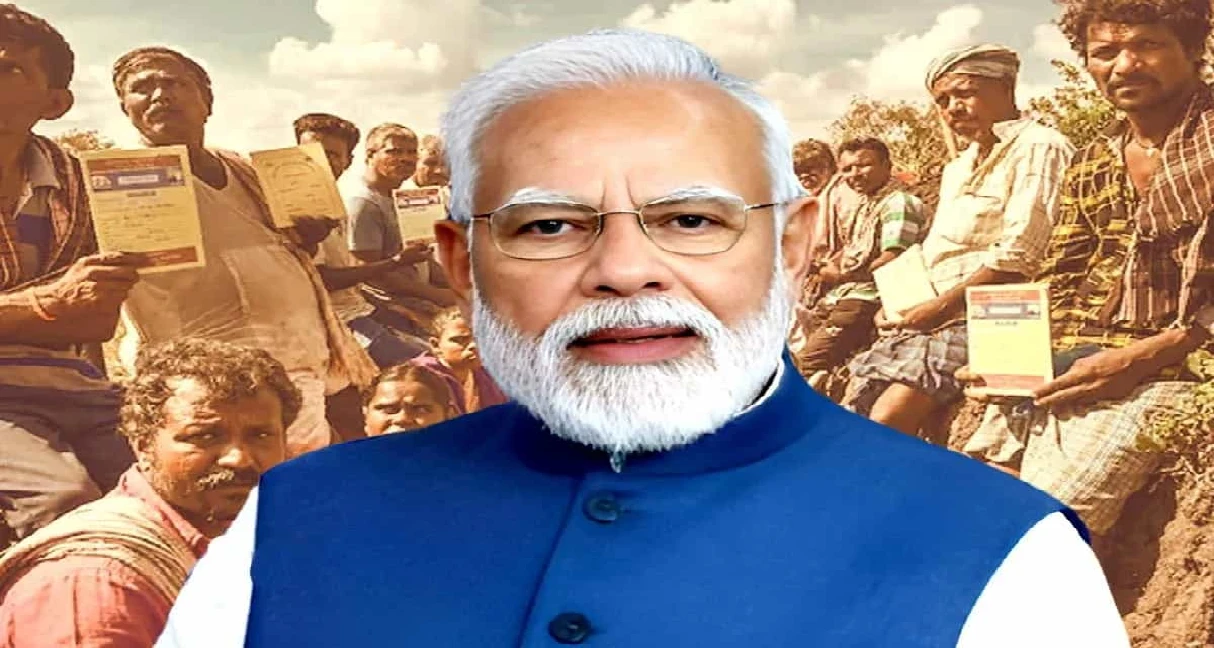
In a landmark move toward rural empowerment, the President has given assent to the ‘Viksit Bharat Guarantee for Rozgar and Aजीविका Mission (Gramin) Act, 2025.’ This legislation marks a significant shift in rural employment policy, increasing the statutory job guarantee from 100 days to 125 days per year.
The mission aims to build a resilient and self-reliant rural India by linking livelihood security with permanent infrastructure creation.
Addressing the Misconceptions: Countering claims that the new law curtails the right to work, the government has clarified that the statutory framework remains intact and more robust than ever. The transition from 100 to 125 days ensures more earnings for rural households. Unlike previous systems where delays in administrative preparedness often hindered work availability, the new decentralized planning ensures that work is ready as soon as it is demanded.
Empowering Local Governance: The Act reinforces the role of Gram Panchayats. They remain the primary authorities for planning and execution, with the Gram Sabha holding the final power of approval. The structural change integrates village plans with block and district levels to ensure synchronization and prevent isolated, unproductive projects.
A Decade of Commitment: The commitment to rural employment is reflected in the numbers: budget allocations have surged from ₹33,000 crore in 2013-14 to ₹2,86,000 crore in 2024-25. The completion of projects has seen a massive jump from 153 lakh to 862 lakh. Furthermore, women’s participation has reached an all-time high of 56.73%, showcasing a shift toward equitable growth.
Reform Over Rhetoric: Addressing the inefficiencies of the past UPA era, such as fake job cards and delayed wages highlighted in the 2013 CAG report, the new law introduces institutionalized transparency. It moves away from ad-hoc employment toward a model that fosters rural productivity and sustainable agriculture. The Act ensures that “Welfare” and “Development” are not conflicting ideas but complementary forces driving India toward 2047.