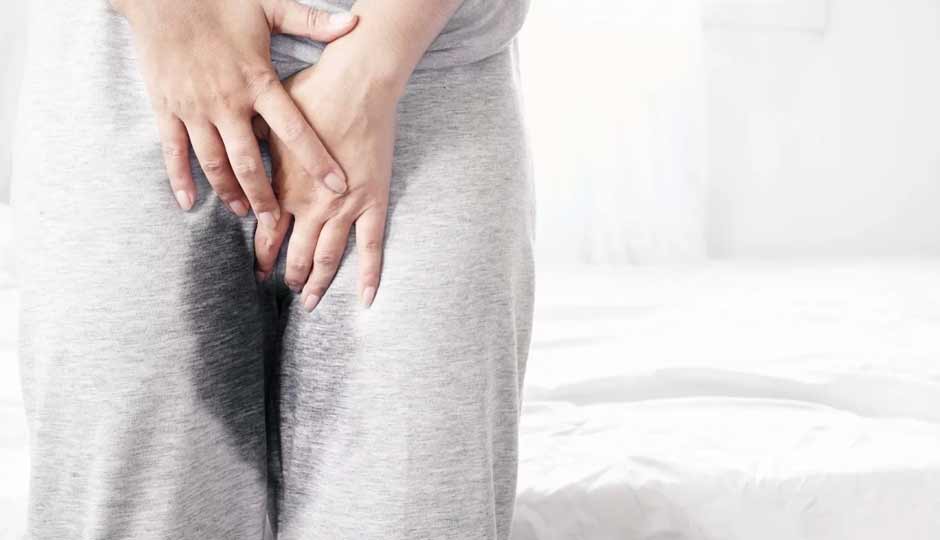
Pelvic floor problems are common yet often overlooked health concerns among women. The pelvic floor is a group of muscles, tissues and ligaments that support important organs such as the bladder, uterus and rectum. These muscles also play a key role in controlling urination and bowel movements and supporting sexual function.
When the pelvic floor muscles become weak, overly tight or damaged, they may not function properly, leading to symptoms such as urinary leakage, frequent urination, constipation, pelvic pain, painful intercourse or a feeling of pressure in the pelvic area. Pregnancy and childbirth, ageing, hormonal changes, obesity, chronic coughing, constipation and certain types of physical strain can increase the risk of pelvic floor problems.
Although these issues can affect a woman’s comfort, confidence and daily life, they are not something women simply have to live with. Recognising the symptoms early and seeking advice from a qualified healthcare professional can help identify the underlying cause and guide appropriate treatment, which may include pelvic floor exercises, physiotherapy, lifestyle changes or other medical interventions.
1. Practice Pelvic Floor Exercises
Pelvic floor muscle training, commonly called Kegel exercises, is one of the most established home approaches for pelvic floor weakness and urinary leakage. These muscles support the bladder, bowel and pelvic organs and help control urine and stool.
How to do Kegels:
Sit or lie down comfortably.
Imagine that you are trying to stop passing gas and gently stop the flow of urine.
You should feel a gentle squeeze and lift around the vagina and anus.
Hold the contraction for about 3 seconds initially.
Completely relax the muscles for several seconds.
Repeat 8–10 times.
Gradually work toward longer contractions of up to 10 seconds as your muscles become stronger.
Add several quick contractions after the longer ones.
NIDDK recommends working toward 10–15 repetitions per session and practising regularly, while NHS guidance recommends structured pelvic-floor training several times a day for women with urinary incontinence.
Important: Don’t hold your breath or tighten your abdomen, buttocks or thighs unnecessarily. And don’t routinely practise Kegels by stopping your urine stream; this can interfere with normal bladder emptying.
2. Learn to Relax the Pelvic Floor
Pelvic floor health isn’t only about strengthening. The muscles also need to relax completely.
If you have pelvic pain, painful intercourse, difficulty starting urine, difficulty emptying your bowels or a feeling of constant pelvic tension, repeatedly tightening the muscles may not be appropriate. A pelvic-floor physiotherapist can determine whether your muscles are weak, overactive or poorly coordinated.
Try:
Slow, deep breathing
Relaxing the abdomen rather than constantly holding it in
Gentle stretching
Resting in a comfortable position
Avoiding unnecessary pelvic-floor clenching during the day
3. Prevent Constipation
Straining during bowel movements can put additional pressure on the pelvic floor and contribute to pelvic-floor problems. Adequate fibre, fluids and regular physical activity can help prevent constipation.
Include fibre-rich foods such as:
Fruits
Vegetables
Whole grains
Oats
Beans and lentils
Nuts and seeds
Drink sufficient fluids according to your individual needs, particularly if you increase your fibre intake.
4. Avoid Straining During Bowel Movements
Don’t sit on the toilet for long periods or repeatedly push hard to pass stool.
A regular bowel routine, adequate fibre and sufficient fluid intake can make bowel movements easier and reduce repeated pressure on the pelvic floor. If constipation continues despite lifestyle changes, speak with a healthcare professional.
5. Maintain a Healthy Body Weight
Excess body weight can increase pressure on the pelvic floor and is associated with urinary incontinence. If you are overweight, gradual, sustainable weight management may help reduce pressure on the pelvic floor and improve bladder-control symptoms.
Focus on:
Balanced meals
Regular walking or other suitable physical activity
Adequate sleep
Limiting highly processed foods
Gradual rather than crash dieting
6. Try Bladder Training for Urgency
If your main problem is frequent urination or a sudden urge to urinate, bladder training may help.
Keep a simple diary recording:
When you urinate
How often you experience urgency
Episodes of leakage
Drinks that seem to trigger symptoms
With professional guidance, gradually increasing the time between bathroom visits can help improve bladder control.
When urgency suddenly occurs, sitting or standing still, taking slow breaths and performing a few quick pelvic-floor contractions may help suppress the urge in some women.
7. Avoid Heavy Lifting When Symptoms Are Severe
Heavy or repetitive lifting increases pressure inside the abdomen, which can place additional stress on the pelvic floor. This can be particularly relevant for women experiencing pelvic heaviness, prolapse symptoms or urinary leakage.
When lifting something:
Bend your knees rather than your back.
Keep the object close to your body.
Breathe normally rather than holding your breath.
Avoid repeatedly lifting very heavy objects if they worsen your symptoms.
8. Manage Persistent Coughing
Frequent coughing repeatedly increases abdominal pressure and can put stress on the pelvic floor. Chronic cough is also recognised as a factor that can contribute to pelvic-floor weakness.
If you have a persistent cough, don’t simply treat the pelvic-floor symptoms. Find and address the underlying cause with a healthcare professional.
9. Stay Physically Active
Regular, appropriate physical activity supports general muscle strength, bowel regularity and healthy weight management. Walking is a simple low-impact option for many women.
If jumping, running, heavy lifting or particular exercises cause urine leakage, pelvic pressure or discomfort, reduce the intensity and consider getting advice from a pelvic-floor physiotherapist.
10. Practise Good Posture and Core Control
The pelvic floor works together with the abdominal and back muscles to provide support for the pelvis and spine. Gentle core exercises and good posture can therefore form part of a broader pelvic-health routine.
Avoid constantly sucking in your stomach or holding your breath while exercising, as this can interfere with normal breathing and pelvic-floor coordination.