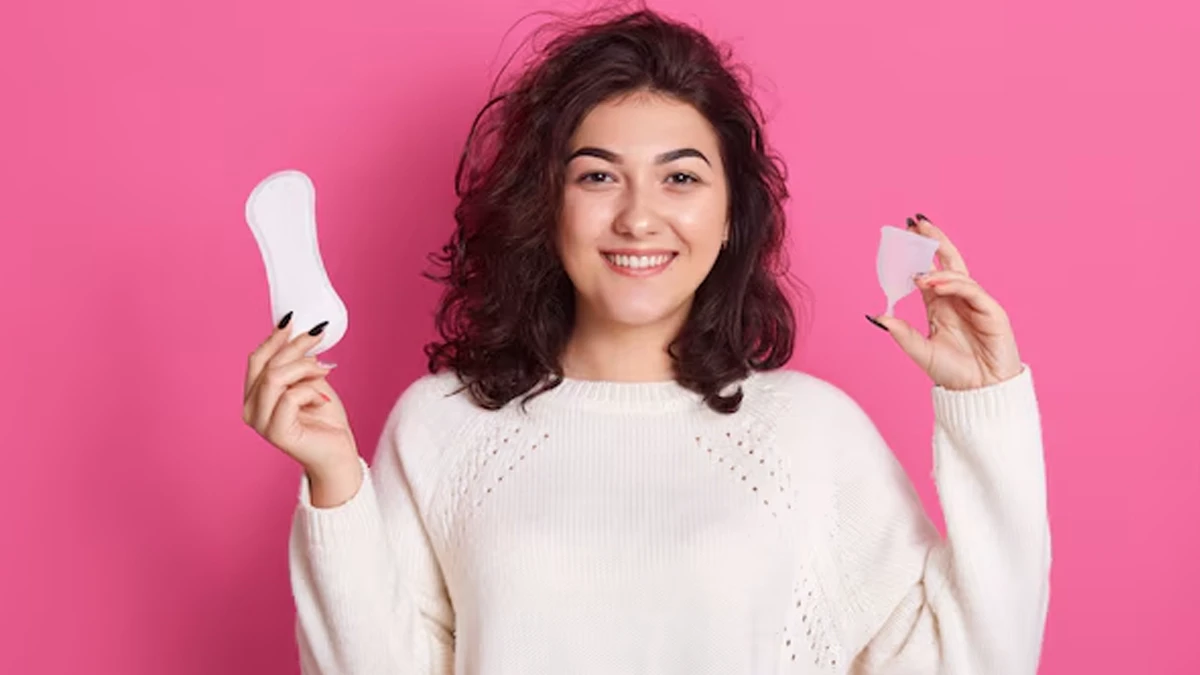
Gone are the days when women only had one option when they were menstruating – sanitary napkins aka pads. Now, there are multiple options – from period panties, tampons to menstrual cups.
When it comes to menstrual hygiene, two popular options that stand out are menstrual cups and sanitary napkins. But if you are wondering which one is the best option, then we are here to answer this for you.
To get a wholesome picture of this topic, we got in touch with Dr Chetna Jain, Director, Dept of Obstetrics and Gynecology, Cloudnine Group of Hospitals, Sector 14, Gurgaon. Keep reading.
Menstrual Cups Vs Pads: Which One Is Better?
“Both serve the same purpose but differ greatly in comfort, sustainability, and hygiene,” says Dr Jain. She breaks down each of them across three key areas – sustainability, comfort and hygiene.
Sustainability
“From an environmental perspective, menstrual cups are far more sustainable. A single silicone or rubber cup can last up to 8-10 years, drastically reducing menstrual waste. In contrast, an average woman uses nearly 10,000-12,000 sanitary pads in her lifetime – each taking up to 500-800 years to decompose due to the plastic content,” shares Dr Jain.
She adds that pads also generate packaging waste and require more energy and raw materials for manufacturing. Thus, the expert suggests that for women who are seeking an eco-friendly option, a menstrual cup wins clearly, in terms of sustainability.
Comfort
Dr Jain shares that comfort depends on personal preference, but many users find menstrual cups more comfortable once they get used to them. “They can hold more fluid (up to 30 ml), allowing longer wear – up to 8-12 hours – without leakage or frequent changes. Cups also eliminate the constant damp feeling and that pads may cause, especially in hot or humid weather,” she explains.
“However, the learning curve can make first-time users slightly uncomfortable. Pads, on the other hand, are easier to use, making them ideal for beginners or young girls. Still, for active women or those seeking longer protection, cups offer superior comfort and freedom,” shares the expert.
Hygiene
The expert shares that when used correctly, menstrual cups are more hygienic than pads. “They collect rather than absorb blood, maintaining the natural vaginal pH and preventing odor or bacterial growth. Pads can sometimes cause , rashes, or infections if worn too long,” she adds.
But Dr Jain adds that hygiene depends on proper cleaning. “A cup should be washed with mild soap and sterilized with boiling water, both before and after each cycle. Those unwilling or unable to maintain such hygiene might find pads more practical,” warns the expert.
Disadvantages of Menstrual Cups
While cups offer many advantages, they do have some downsides. Dr Jain jots them down for us:
- Learning curve: Insertion and removal can be tricky at first.
- Discomfort if inserted incorrectly: Improper placement may cause leakage or mild pain.
- Not suitable for everyone: Women with certain gynecological conditions (like prolapse) or those with an intrauterine device (IUD) may need medical advice before use.
- Maintenance required: Regular sterilization is essential to prevent infections.
 Menstrual Cups vs Pads: Which One Is Safer?
“Both menstrual cups and pads are safe when used correctly. However, menstrual cups are safer for long-term use as they minimize exposure to chemicals, reduce the risk of rashes, and are more hygienic when cleaned properly. For women uncomfortable with internal products or unable to maintain hygiene, organic cotton pads are a safer alternative,” explains Dr Jain.
The expert shares how to use a menstrual cup safely:
- Wash your hands thoroughly.
- Fold the cup (C-fold or punch-down fold) and gently insert it into the vagina.
- Rotate it slightly to ensure it opens fully and forms a seal.
- Remove after 8-12 hours by pinching the base to release the suction and pulling gently.
- Sterilize it before storing.
Dr Jain shares who all should avoid menstrual cups:
- Women with recent vaginal surgery or infections.
- Those with an IUD, unless cleared by a doctor.
- Women uncomfortable with internal menstrual products.
The Final Word
Menstrual cups emerge as the more sustainable, cost-effective, and hygienic choice, while sanitary pads remain a convenient option for those seeking simplicity and familiarity. But the best option ultimately depends on personal comfort, lifestyle, and ability to maintain hygiene.