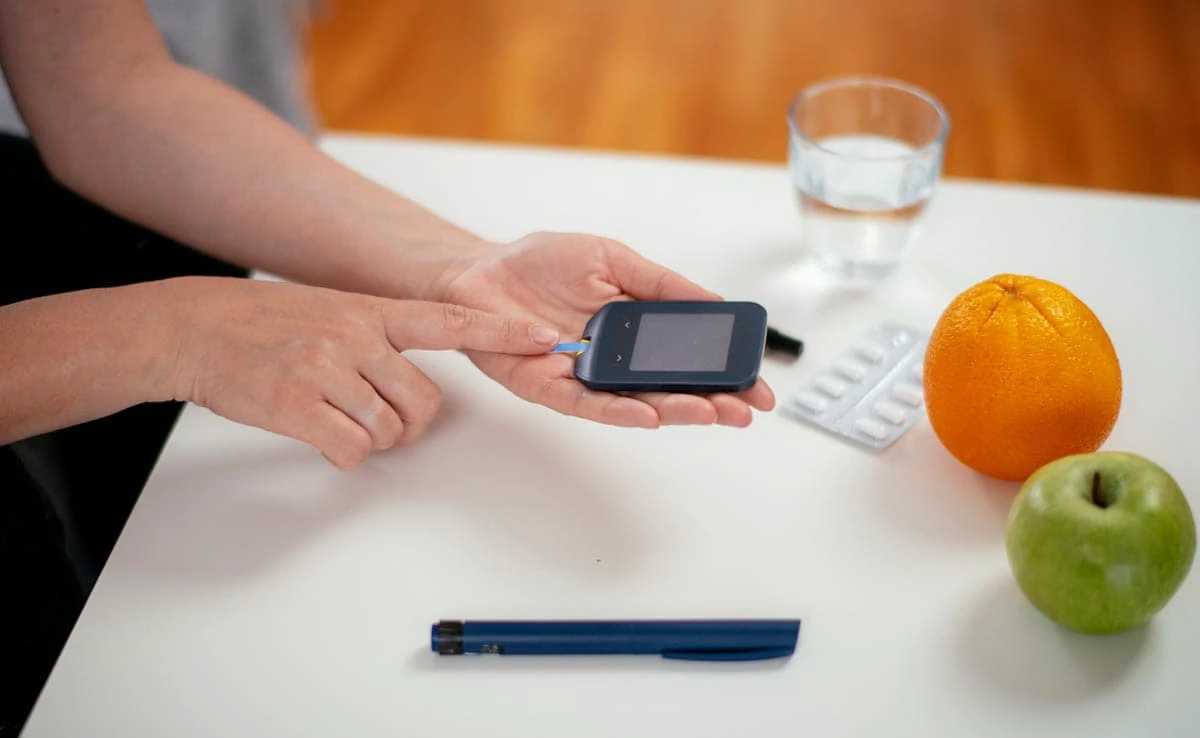
Many people trying to manage insulin resistance believe they are doing everything right – eating clean, exercising regularly and adjusting their lifestyle.
Yet, despite these efforts, they still experience blood sugar fluctuations, fatigue and stalled progress. According to nutritionist Lovneet Batra, theproblem may not be your food choices, but the seemingly healthy habits that are unintentionally making things worse. In her recent Instagram post, Lovneet Batra explained that several practices often considered healthy can, in fact, exacerbate insulin resistance – a condition affecting millions and a key contributor to type 2 diabetes. She highlighted the common mistakes people make while following what they assume is a balanced and mindful diet.
She wrote in the caption: “Common Mistakes That Worsen Insulin Resistance (Even When You’re ‘Eating Healthy’).”
Hidden Sugars in “Healthy” Salads
According to Lovneet Batra, salads are one of the biggest misconceptions. While generally seen as a healthy choice, many people unintentionally turn them into sugar-heavy meals.
“I see many people adding excessive fruit, raisins, and sugary dressings to their salad, and that does not help with your insulin or glucose spikes,” she said.
These additions can cause blood sugar levels to fluctuate and may lead to cravings later in the day.
Relying on ACV While Neglecting Meal Balance
She also discussed the popularity of apple cider vinegar (ACV) shots. Although ACV is often praised for its metabolic benefits, the nutritionist emphasised that it cannot compensate for meals lacking fibre or protein.
“Having ACV but not having enough fibre and protein in the main meal gives a false sense of control,” the nutritionist warned.
ACV can only act as a supplement – not a substitute for balanced meals.
Working Out on an Empty Stomach – Especially Risky for Women
Lovneet Batra further noted that fasting workouts, though widely practised for weight loss, can backfire, particularly for women.
“If you are working out empty stomach, that can actually give you worse cortisol spikes that doesn’t help with insulin resistance at all,” she added.
To avoid this, Lovneet Batra recommended a light pre-workout snack that includes both protein and carbohydrates, such as coconut water with soaked chia seeds.
Smoothie Bowls Aren’t Always Your Friend
The nutritionist also debunked the belief that smoothie bowls, fruit bowls, honey, and jaggery are automatically healthy or suitable for those with blood sugar issues. When consumed in excess – especially first thing in the morning – they can cause significant insulin spikes.
“Jaggery and honey give the same glucose spike as sugar,” she added in her caption, suggesting people pair fruits with nuts, yoghurt, or nut butter to slow absorption.
Lovneet stressed the importance of structured, intentional eating over random “healthy habits” when it comes to managing insulin resistance.
Her recommended approach includes adding 15-20 grams of protein to every meal, combining protein with fibre and slow-digesting carbohydrates, maintaining consistent meal timings, and pairing high-glycaemic foods with fats or proteins to reduce their impact.
“Insulin resistance doesn’t improve with random ‘healthy habits’ – it improves with metabolic structure,” she noted.