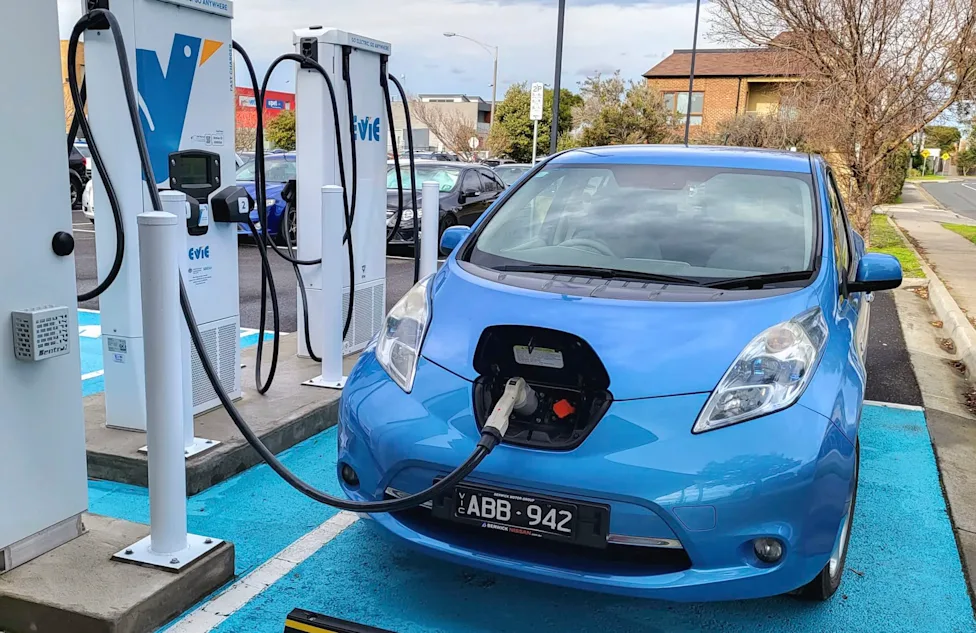
Australians appear to be warming quickly to cleaner driving, with interest in electrified cars moving further into the mainstream.
As highlighted by (@electricviking), a new study found that nearly half of Australians want an EV or plug-in hybrid for their next car, marking a significant rise in just 12 months.
What’s happening?
The Electric Viking My Car’s 2026 Mobility Index, which surveyed just over 2,000 Australian vehicle owners in April and found that nearly 46% expect their next vehicle to be an EV or a plug-in hybrid. A year earlier, that figure was 36%.
Timing may have mattered. The poll was conducted after fuel prices had already climbed, and the video said fuel-tax relief was being wound back, a change that could add more pressure to drivers of gasoline and diesel cars.
Intent does not automatically become sales, but the video also pointed to market results in the months that followed: EVs made up 20% of sales in one month and 24% in the next.
Taken together, those numbers suggest buyers’ stated preferences may be lining up more closely with what they are actually purchasing.
The survey also highlighted several reasons some buyers are still hesitant, including concerns about whether EVs suit long trips, as well as about upfront price, reliability, running costs, and performance.
Why does it matter?
With nearly half of prospective buyers considering one of these powertrains, EVs and plug-in hybrids look less like a niche and more like a category the broader market expects to find. That kind of demand could push automakers, dealers, and charging providers to expand options and support more quickly.
The results also pointed to a gap between what nonowners fear and what current owners report. According to the video, 86% of the study’s EV and hybrid owners reported being highly satisfied with their experience.
Still, price remains a meaningful obstacle.
As one commenter put it, “Many people would love an ev but they are not new car buyers.”
For households that depend on cheaper used cars, the shift may still feel out of reach, even as more lower-cost models arrive.
A larger move away from gasoline would also mean less tailpipe pollution and less exposure to sudden swings in fuel prices.
What’s being done?
The video suggested that part of the change is being driven by more competition. Several newer brands are now selling EVs in Australia at prices closer to those of conventional vehicles, helping to challenge the notion that are always a premium product.
Newer entrants still face a trust hurdle, though. About 31% of respondents said that they were unsure about those brands’ safety and long-term reliability, suggesting automakers still need to strengthen confidence through warranties, service networks, and public education.