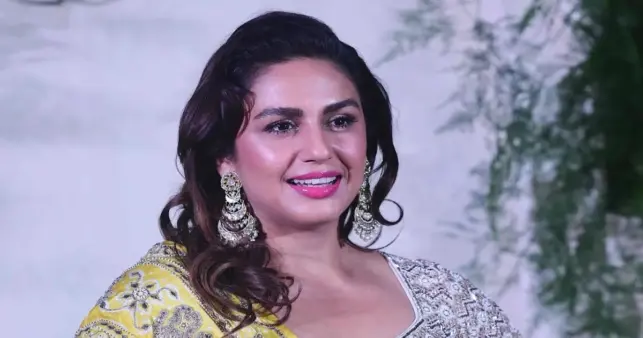
Actor Huma Qureshi has criticised Bollywood’s long-standing portrayal of female assassins as “hyper sexualised” characters dressed in tight-fitting outfits, arguing that such depictions stem from patriarchal ideas rather than realistic storytelling.
Speaking about her latest film, Baby Do Die Do, the actor said she wanted to challenge the conventional image of women in action roles by portraying an assassin who looks ordinary and blends seamlessly into everyday life.
Qureshi, who has also produced the thriller, is receiving praise for playing Baby, a deaf and mute assassin whose appearance deliberately contrasts with the glamorous, stylised action heroines often seen in mainstream Hindi cinema. In an interview with PTI, she said the character’s greatest strength lies in her ability to go unnoticed. “The fact that she is so normal and regular looking and yet such a lethal killer is what makes it such an interesting tale,” she said, adding that the creative team wanted to build a character audiences could easily relate to.
Explaining her vision for the film, Qureshi said Baby is someone who could easily be mistaken for an ordinary commuter. “We just wanted to make a very relatable character. Baby is somebody you just meet in a Mumbai local and not bat an eyelid,” she said. By moving away from exaggerated styling, she believes the film presents a more grounded and believable take on the action genre.
The actor also questioned why female assassins in films are frequently depicted wearing revealing outfits while carrying out dangerous missions. She argued that such portrayals are shaped by patriarchal perspectives rather than practical considerations. According to Qureshi, there is little realism in expecting a professional killer to dress in ways that draw unnecessary attention, and she believes filmmakers should instead focus on creating authentic, well-rounded female characters.
Reflecting on the broader landscape of Hindi cinema, Qureshi said she hopes Baby Do Die Do encourages writers and filmmakers to create more nuanced roles for women. “I think there could be a lot more change when it comes to writing better parts. There’s definitely a step in the right direction,” she said. She added that audiences are increasingly receptive to stories featuring women who are defined by their personalities, motivations and abilities rather than conventional beauty standards or glamour.
Qureshi has built a career by taking on unconventional roles in projects such as Gangs of Wasseypur and the acclaimed web series Maharani, often portraying layered female characters that challenge established stereotypes. With Baby Do Die Do, she hopes to continue pushing those boundaries by demonstrating that action heroines do not need to conform to traditional cinematic expectations. Her comments have reignited conversations about gender representation in Bollywood and the industry’s evolving approach to writing complex, realistic roles for women.