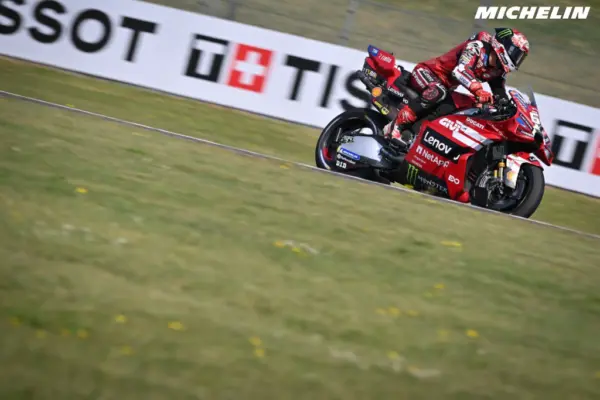
MotoGP’s latest attempt to combat dangerous race starts may have backfired spectacularly, with reigning world champion Francesco Bagnaia sounding the alarm after a chaotic Dutch Grand Prix weekend.
His warning is clear: the much-debated ban on holeshot devices could be making the grid even riskier for riders, not safer.
As the dust settled at Assen, the sport’s governing body found itself under renewed scrutiny. In a bid to address growing safety fears following a string of near-misses and hazardous starts-most notably at the Catalan Grand Prix-officials outlawed the use of holeshot devices. This mechanical system, previously used by riders to stabilize and accelerate their bikes off the line, was expected to reduce the intense jostling and pile-ups that have plagued MotoGP’s opening seconds. To further bolster safety, MotoGP also experimented with a Formula 1-inspired grid layout, spacing competitors further apart in hopes of reducing contact.
Yet, the spectacle at the Dutch Grand Prix’s Sprint race offered little comfort. The absence of holeshot devices appeared to slow down launches, but instead of diffusing the danger, it seemed to intensify riders’ desperation to gain an early advantage. The result? A more frantic scramble for position, and, according to Bagnaia, the potential for even greater chaos.
The stakes for MotoGP’s safety revolution could not be higher. Rider welfare is under the microscope as never before, with recent seasons marred by crashes and escalating injuries. The holeshot device ban, hailed by officials as a decisive step forward, was meant to mark a turning point. Instead, some in the paddock fear it’s a step in the wrong direction, exposing competitors to new and unforeseen hazards. The introduction of the F1-style grid, another radical move, is also unproven. Critics argue that tinkering with the start procedure risks undermining the very essence of motorcycle racing’s gladiatorial first corners while failing to address the underlying causes of accident-prone launches.
Bagnaia, never one to mince words, voiced his skepticism after witnessing the Dutch Sprint. Questioned by GP One about the safety impact of the holeshot device ban, the Italian left no doubts: “In my opinion, it’s not safer this way. It’s true, you start slower in terms of time, but there’s more margin to do well, and in fact, everyone tries to get a better start. Today I saw Quartararo approaching the first braking point and I thought, ‘If he makes one little mistake, he’ll crash two or three more times.’ So no, for me it’s not safer this way.”
The reigning champion’s candor echoed through the paddock, amplifying the debate about how best to protect MotoGP’s elite athletes. Bagnaia’s remarks strike at the heart of the issue: slowing down starts does not necessarily reduce risk if riders feel compelled to push even harder, chasing precious milliseconds and leaving themselves exposed to catastrophe. His observation about the perilous approach to the first braking zone, with Fabio Quartararo at the center, illustrates just how precarious the new reality may be.
With the season hurtling toward its midpoint, MotoGP officials now face a critical juncture. The rulebook is under constant revision, but the fundamental question persists-are these changes genuinely making the sport safer, or merely shifting the danger elsewhere? Some insiders are urging the formation of a riders’ union, arguing that only a united front can counterbalance the power of governing bodies and ensure that those risking their lives on track have a decisive voice in shaping policy.
As the championship chase intensifies and the world watches, the pressure is on for MotoGP to prove that its bold reforms are not merely cosmetic. One thing is certain: the debate over safety is far from settled, and the consequences of getting it wrong could be catastrophic. All eyes now turn to the next round, as riders and officials alike search desperately for the elusive formula that will finally make the world’s fastest sport a safer place to race.