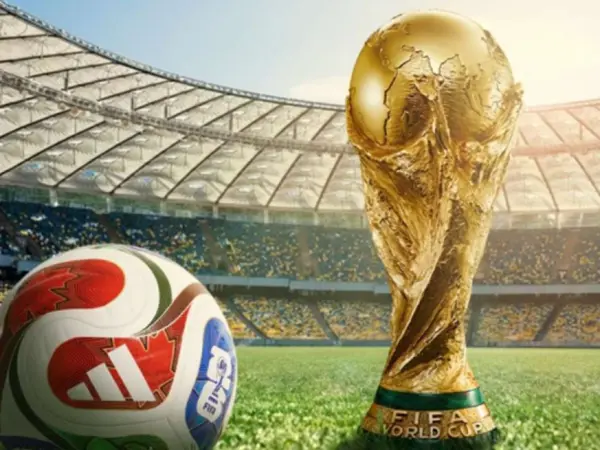
The FIFA World Cup 2026 has already created history by becoming the highest-scoring edition of the tournament. The record was broken during the group-stage match between the United States and Turkey, highlighting the attacking football seen throughout the competition.
World Cup 2026 sets a new goals record
When American defender Auston Trusty scored an early goal against Turkey in the Group D encounter, it was a historic moment. His goal broke the previous FIFA World Cup record of 172 goals set at the 2022 competition in Qatar, making it the 173rd goal of the competition. By the end of that part of the game, Turkey had scored twice in the first half, bringing the overall number of goals in the tournament to 175.
The fact that the new record was broken in the 59th match of the tournament adds even more significance to the accomplishment. In contrast, all 64 games were required for the 2022 FIFA World Cup in Qatar to reach its final goal total of 172. Fans have witnessed high-scoring games and thrilling performances during the group stage, and this milestone exemplifies the offensive style of football demonstrated by teams throughout the tournament.
Expanded tournament brings more excitement
For the first time, 48 teams will compete in the FIFA World Cup in 2026 rather than just 32. As a result, the tournament has grown from 64 to 104 games, allowing more countries to participate and increasing the number of opportunities for goals to be scored.
FIFA President Gianni Infantino responded to the record by praising the calibre of football on show. He claimed in an Instagram post that breaking the previous record of 172 goals from the Qatar World Cup emphasises the thrill and offensive play that have already made the 2026 competition unique. The total number of goals is anticipated to increase dramatically before the tournament ends because there are still a lot of games to play. In addition to increasing the number of participating countries, the enlarged format has resulted in one of the most exciting and high-scoring World Cups in the competition’s history.