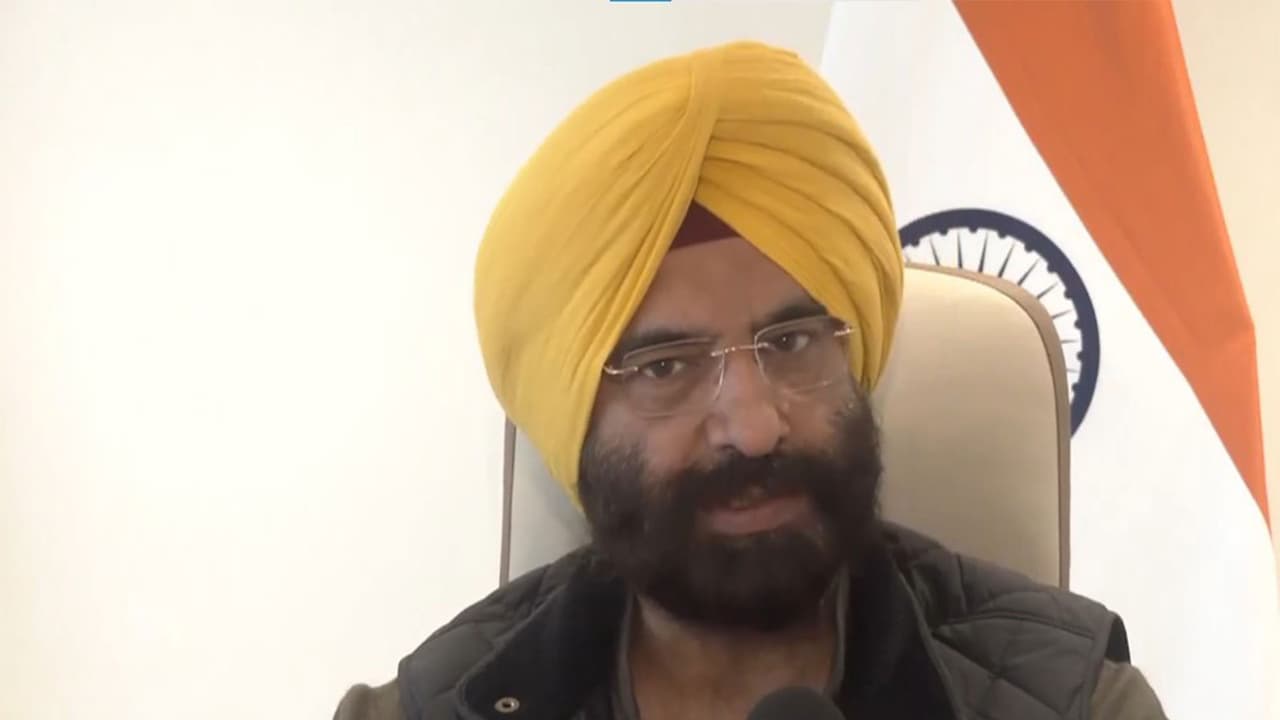
Delhi govt, under CM Rekha Gupta, convened a meeting chaired by Environment Minister Manjinder Singh Sirsa to review a TERI study on Yamuna river pollution, focusing on microplastics and frothing, and to discuss a targeted action plan.
The Environment Department convened a high-level meeting on Tuesday, under the leadership of Delhi Chief Minister Rekha Gupta. The meeting was chaired by Environment Minister Manjinder Singh Sirsa to review TERI’s comprehensive study on microplastics and frothing in the Yamuna river, according to an official release.
TERI – The Energy and Resources Institute is a not-for-profit, policy research organisation working in the fields of energy, environment, and sustainable future. The TERI scientists briefed the minister and senior officials from the Environment, Industries, Health and Water departments on river water quality, including levels of surfactants, organic pollution, ammonia and microplastics observed at several drains and industrial clusters.
For this study, TERI collected and analysed close to 100 water samples from about 50 critical locations across the Delhi stretch of the Yamuna, including major drains, industrial areas and sewage treatment outlets in pre-and post-monsoon seasons.
TERI Study: Key Findings and Proposed Solutions
The study identified hotspots where untreated sewage, industrial effluents and solid waste are contributing to frothing, chemical contamination and microplastic load in the river, and proposed targeted interventions such as advanced oxidation processes, biological nutrient removal, and improved monitoring systems, as per the release.
“The Delhi Government under Chief Minister Rekha Gupta is tirelessly working to clean the Yamuna through scientific, data-based interventions,” said Manjinder Singh Sirsa. “The findings shared by TERI give us a roadmap to tackle microplastics, frothing and other pollutants by acting simultaneously on sewage, industries, solid waste and citizen behaviour,” he added.
Recommended Action Plan
During the meeting, TERI also presented a department-wise action plan recommending measures such as upgrading STPs and CETPs with advanced treatment technologies, establishing decentralised effluent treatment plants and strengthening enforcement against illegal discharges and non-compliant units.
The recommendations further include public awareness campaigns in schools and colleges, regular health surveys in vulnerable communities, improved plastic and solid waste management, and creation of real-time dashboards to track pollution and compliance.
Government’s Implementation Strategy
“The Delhi Government will carefully assess and implement suitable recommendations through the concerned departments so that every intervention leads to measurable improvement in Yamuna water quality,” the Environment Minister stated.
He directed senior officials from the Environment, Industries, Health, Jal Board, Urban Development and Municipal bodies to prepare time-bound implementation plans, identify priority hotspots, and submit progress reports at regular intervals.
Specialised Coordination Cell Announced
Environment Minister Sirsa further announced that a specialised coordination cell/committee comprising officers from all key departments will be created to ensure integrated planning, execution and monitoring of Yamuna cleaning measures.
“I have instructed the departments to work in close coordination and remove procedural bottlenecks so that the people of Delhi can see visible changes on the ground at the earliest,” he said.
(ANI)
(Except for the headline, this story has not been edited by Asianet Newsable English staff and is published from a syndicated feed.)