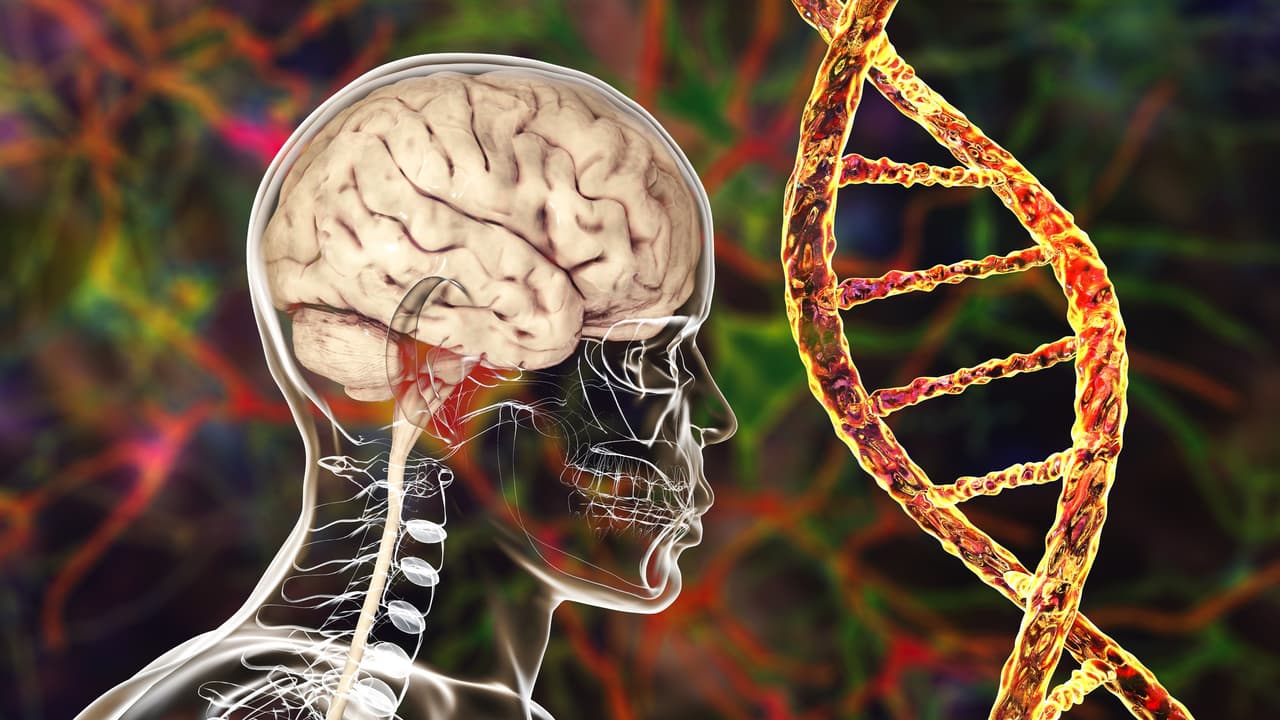
Scientists have identified GRIN2A as the first gene proven to directly cause mental illness, triggering psychiatric symptoms earlier than expected. The gene disrupts brain signaling, but early treatment with L-serine shows promise.
Scientists have identified the first single gene proven to directly cause mental illness — a discovery that challenges long-held beliefs about how psychiatric disorders develop. The gene, called GRIN2A, can trigger conditions like schizophrenia or other mental health disorders on its own, rather than through a combination of many genes.
A Single Gene Behind Early and Unexpected Symptoms
Traditionally, mental illnesses were thought to arise from many genetic influences acting together. But researchers analyzing 121 people with GRIN2A variants found something different: certain versions of the gene were linked to psychiatric symptoms appearing much earlier than usual, sometimes in childhood instead of adulthood.
Even more surprising, some individuals experienced only mental health symptoms, without the seizures or learning difficulties typically associated with GRIN2A mutations.
How GRIN2A Disrupts Brain Signaling
GRIN2A helps regulate the NMDA receptor, a key player in how brain cells communicate. In this study, specific variants weakened the receptor’s activity, altering normal brain signaling in ways that may directly cause psychiatric illness.
The research team, working with pediatric neurologist Dr. Steffen Syrbe, also explored an early treatment approach. Patients showed promising improvements after taking L-serine, a dietary supplement known to activate NMDA receptors — suggesting a potential path toward targeted therapy. The study was published in the journal Molecular Psychiatry.
A Breakthrough Built on Years of Research
The findings stem from nearly 15 years of collaboration between Professors Johannes Lemke and Steffen Syrbe. Their international patient registry, the largest collection of GRIN2A cases in the world, made it possible to uncover how one gene can reshape mental health in such a profound way.
This discovery could pave the way for more precise diagnosis, earlier detection, and new treatment options for psychiatric conditions rooted in single-gene changes.