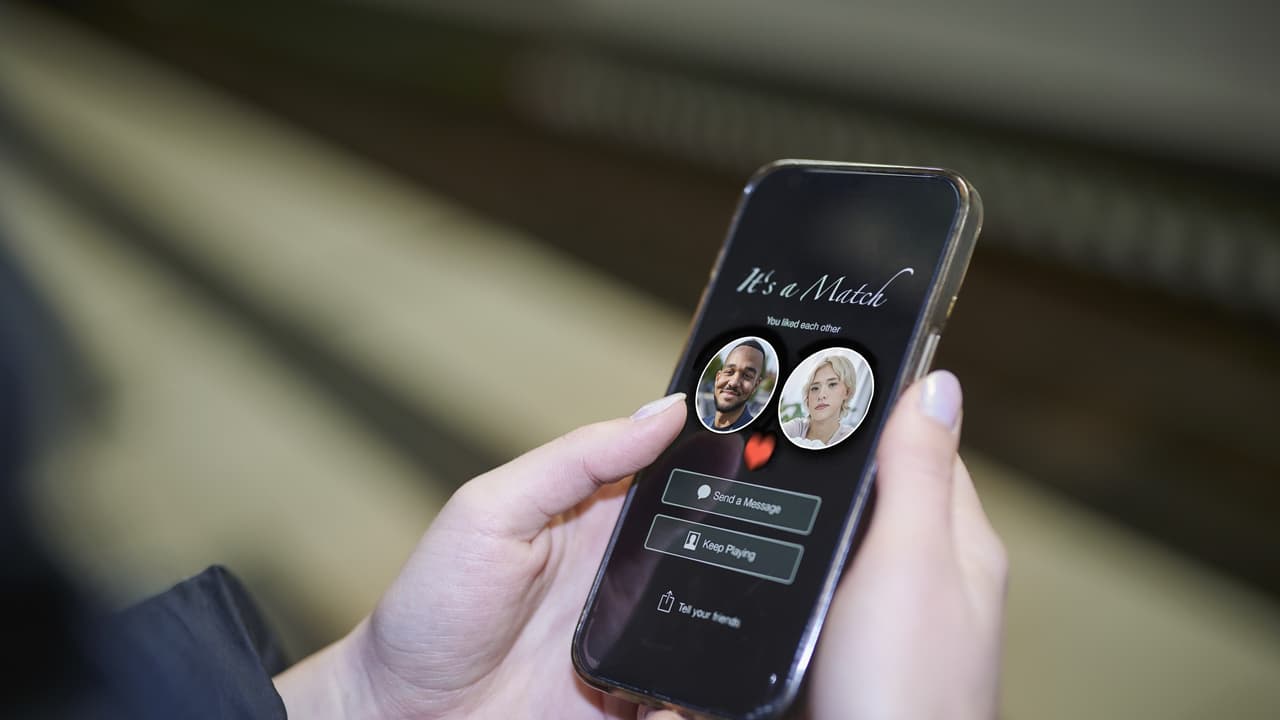
A new BBC documentary reveals how dating apps like Tinder and Hinge use reward-based design to keep users swiping and spending. Experts say these platforms mimic addictive game mechanics, trapping singles in endless loops.
Dating apps have transformed how people look for love — but experts warn the design behind swiping may be keeping singles hooked far longer than they realise. A new BBC Three documentary, Dating Apps: The Inside Story, explores how platforms like Tinder, Hinge and OKCupid encourage repeated swiping, spending, and endless searching.
The Swipe That Feels Like a Slot Machine
Users interviewed by the BBC compared swiping to addictive games like bingo or slot machines — fast, unpredictable, and rewarding just enough to pull them back in. Many described an “instant dopamine hit” each time they got a match, creating a cycle of emotional highs and lows.
Researchers say this isn’t accidental. Tinder’s early designers deliberately built the swipe mechanism to mimic the random reward patterns seen in old psychological experiments on pigeons. The idea was simple: if rewards come unpredictably, people keep trying.
Tinder’s success proved the formula. Millions joined, matches skyrocketed, and engagement soared — exactly what the company hoped for.
Apps Designed to Keep You Swiping — and Spending
Match Group, the company behind Tinder, Hinge, OKCupid and more, earns billions each year from subscriptions like Tinder Plus and Tinder Platinum. These paid features offer perks such as unlimited likes or undoing swipes — while free users face daily limits that create scarcity and push them toward upgrading.
Experts say this scarcity model keeps users in a “constant state of hunger,” encouraging them to return again and again in search of validation, attention, or hope that the next swipe is “the one.”
Some users admitted the process feels like winning or losing a game: a match feels like a victory, no match feels like rejection.
Growing Popularity — and Growing Risks
The documentary also highlights darker sides of dating apps: scams, predatory behavior, and emotional burnout. While Match Group insists its apps aren’t designed to be addictive, critics argue the systems that drive revenue depend heavily on extended use.
Despite the concerns, online dating continues to grow. From Match.com in 1995 to Tinder in 2012 and Bumble in 2014, app-based romance has become mainstream. Today, nearly one-third of marriages begin online — a huge shift from the stigma of the ’90s.
What once felt like a last resort is now the norm — even as the mechanics behind the apps keep millions swiping in a loop that can feel impossible to step out of.