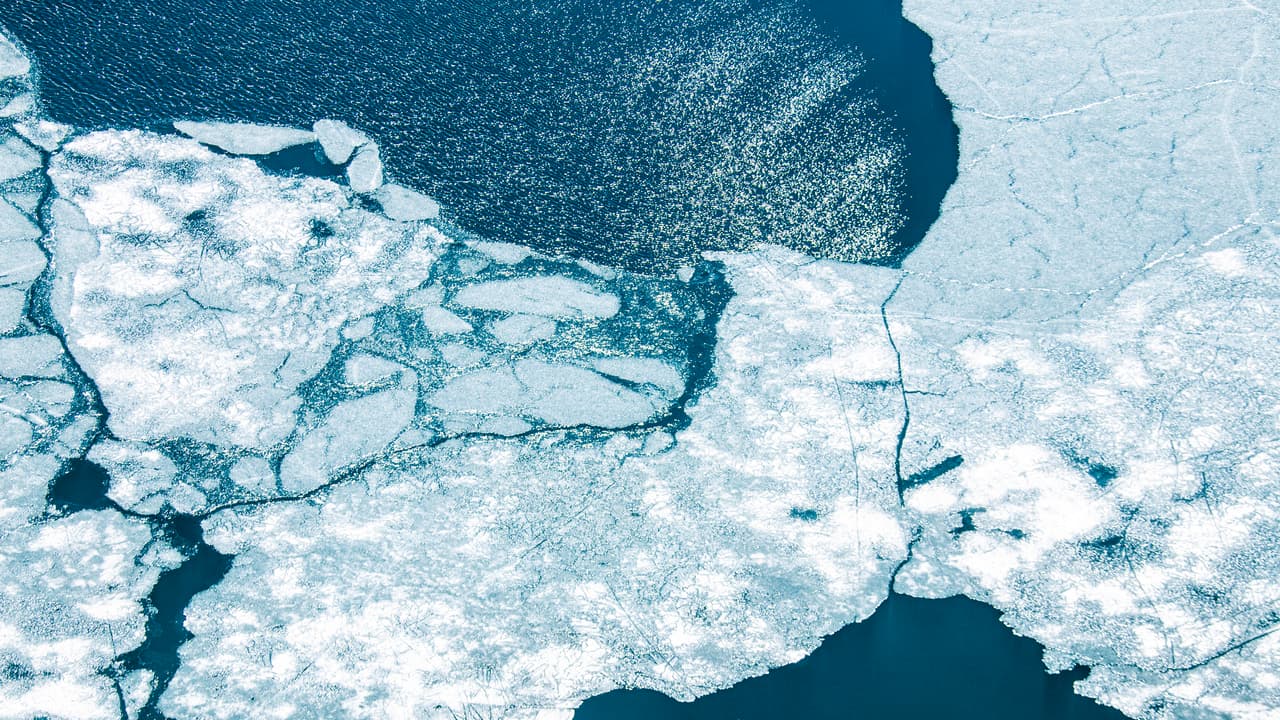
Satellites have shown quick changes in the “Doomsday Glacier,” known as the Thwaites Glacier in West Antarctica. This glacier is one of the most rapidly changing in the world, and scientists are closely watching it because what happens in the coming years could greatly affect how much sea levels rise.
A key part of this glacier system is the Thwaites Eastern Ice Shelf (TEIS), which is a large floating mass of ice. At its northern end, the shelf is partly held in place by a small area of land, called a pinning point. In the last twenty years, cracks have been spreading across the shelf, especially near a major area where the ice moves differently, known as a shear zone, just upstream of the pinning point.