The summer of 2026 arrived early, stayed long, and has shown absolutely no intention of leaving. And while the rest of life has slowed to a crawl under the heat, something unexpected has happened to the way North India dresses – it has quietly, almost defiantly, become more considered.
Walk into any boutique in Chandigarh right now and the shift is immediate. Linen where heavy fabric used to hang. Cord sets at the front of every rack. Bold floral prints-deep reds, cobalt blues, vivid yellows sitting alongside the softest dusty pinks and ice blues. The heavy anarkali, the structured silhouette, the stiff embroidered kurta: all moved to the back, if they are there at all.
Fabric has become the first conversation. Linen, lyocell and Chanderi have gone from occasional choices to non-negotiables not because they are fashionable, but because they breathe, they drape, and they actually make a 42-degree afternoon survivable. Silhouettes have followed. “Clients walk in now asking for something ‘relaxed and easy’ before they ask for anything else,” says Narendra Kumar, designer.
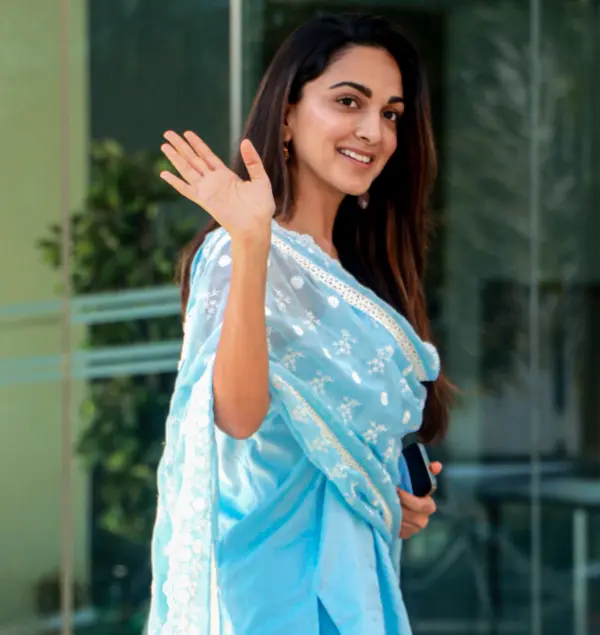
Colour, this season, is not choosing sides. Dusty lavenders, muted pinks and ice blues dominate the quieter end of the rack- a palette built to look cool, not just feel cool. Right beside them, bold florals in deep, saturated hues are having their own full moment. Neither is winning. Both are selling. This summer, a wardrobe can hold contradictions.
Threading through all of it is the cord set, the single piece that has come to define Summer 2026. Designer Sonu Gandhi is clear that its appeal runs deeper than practicality, “It is a serious style statement, it is not just for the heat.” Kumar agrees, calling it “modern, contemporary, and comfortable” cord set is his pick for the one essential piece every woman in North India needs right now.
The shift toward ‘looser’ dressing has been accelerated by social media. Kumar calls it “a global style filtering to India”, arriving not through fashion weeks but through phone screens. Designer Rachit Khanna, who works closely with younger clients, sees Gen Z embracing oversized, tonal dressing as a statement- clothes that reflect, in their words, “a free life.” Designer Sonu Gandhi’s older clientele moves differently, they still want to feel the fabric, try the fit, and take their time before committing.
Which is really the heart of it. Kumar says a 22-year-old shops to find herself within a trend; a 40-year-old already knows who she is and needs her clothes to say it cleanly. Both are doing exactly what getting dressed is supposed to do, just at different points in the journey.
What this summer has proved, more than anything, is that comfort and style were never really at odds; people just needed a reason to stop choosing between them. Gandhi points to stitching as the one thing that quietly elevates everything. “Even a simple garment can look very nice on you, if the stitching is good.” Khanna keeps it even simpler a cotton or linen kurta, the piece that “everyone has in their wardrobe, or must have if they don’t.” The heat did not create a new trend. It just made people a lot more decisive about what they actually want to wear.