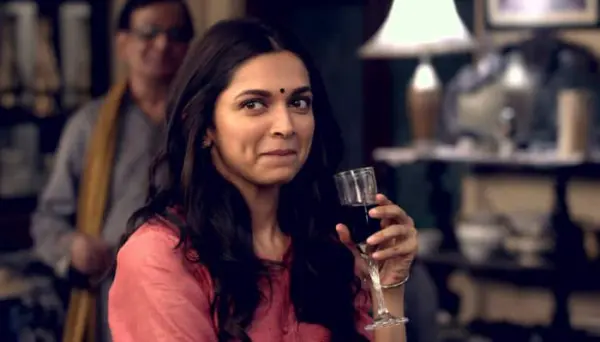
Dialogue of the day: Throughout our lives, there are certain films and stories that leave behind lines so simple yet so deeply layered that they continue to stay with us long after the screen fades to black.
Sometimes a single dialogue is enough to make us pause and reflect on how closely our inner world is tied to the way we live, behave, and respond to everything around us. Human emotions are not isolated experiences, they constantly influence our thoughts, actions, body language, and even the smallest of movements we make without realising it.
Dialogue of the day
“Insaan ka emotion uska motion ke saath juda hua hai.” – Piku
This dialogue comes from a story that revolves around everyday life, family bonds, and the emotional complexities that exist within simple human relationships. What makes this line stand out is its effortless way of explaining something we often overlook, that emotions are never silent within us, they constantly find expression through our actions, behaviour, and even physical movement. In the world of cinema, such lines stay memorable because they feel less like scripted dialogue and more like lived truth.
What this dialogue actually means
At a surface level, the dialogue might appear like a poetic observation, but when we reflect deeper, it becomes a profound insight into human nature. It suggests that whatever we feel inside is never fully contained it inevitably flows outward through our gestures, posture, pace of walking, tone of voice, and the way we interact with others. Happiness can make someone light and energetic, sadness can slow down even the simplest movements, and anxiety can be read in restlessness without a single word being spoken.
This idea also reminds us that human beings are often more transparent than they realise. Even when we try to hide our emotions behind words, our body often reveals the truth. A forced smile, a hesitant step, or a sudden change in energy can communicate more honestly than spoken language. It is this silent communication between emotion and motion that makes human behaviour so complex and fascinating.
In a broader sense, the dialogue also teaches us the importance of emotional awareness, both of ourselves and of others. When we understand that actions are deeply influenced by feelings, we become more patient and empathetic in our responses. Instead of judging behaviour at face value, we begin to ask what emotion might be driving it. This shift in understanding can change the way we interact with people in daily life, making our relationships more sensitive and meaningful.
Ultimately, the dialogue reminds us that being human is not just about what we say or do, but about the emotional current that flows beneath everything we express. Our emotions and motions are not separate forces, they are deeply intertwined, constantly shaping the story of who we are in every moment.