Pulses expert G K Sood has attributed the increase to a widening gap between demand and supply.
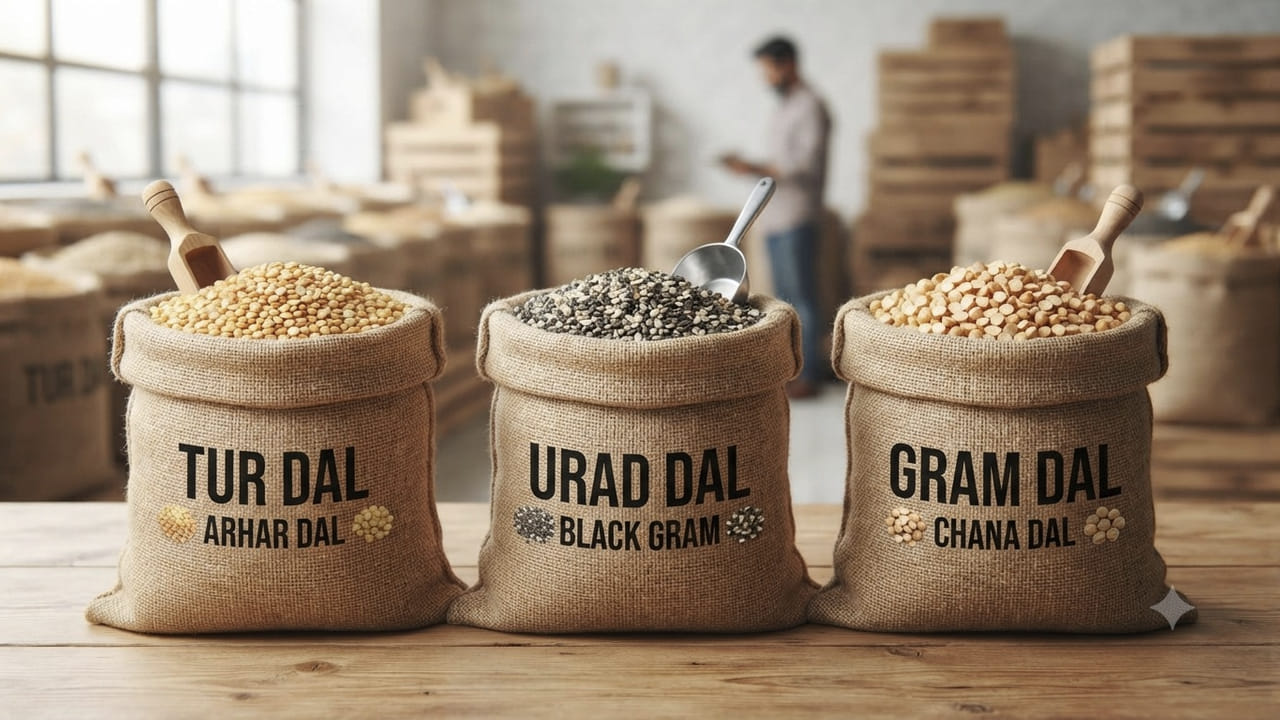
Tur, also known as arhar, is primarily a kharif crop. According to estimates shared by traders, this year’s production could be around 2.8 million tonnes, significantly below the estimated annual demand of 4.5 million tonnes.
Weather-related problems in parts of Karnataka and Maharashtra have reportedly affected production.
Sood said high prices could encourage lower-income households to shift towards other pulses. Such a change in consumption patterns could redirect demand of up to one million tonnes towards alternative varieties.
The government also has a buffer stock of up to one million tonnes. Releasing some of these stocks into the open market could help increase availability and ease prices. However, imports may offer limited relief, as the global availability of tur for India is estimated at around one million tonnes.
Urad is another concern because it has fewer practical substitutes. It is widely used in the preparation of idli and dosa batter, keeping demand relatively firm despite higher prices.