The Centre is confident of securing the required two-thirds majority in Parliament to pass the proposed after incorporating changes in the draft legislation, ANI reported citing sources.
The government is also reaching out to political parties to discuss the legislative agenda ahead of the upcoming parliamentary proceedings, with the crucial bills expected to involve extensive deliberations and voting.
The Business Advisory Committee is scheduled to meet on Monday (November 30) at 10 am, where representatives of all parties will be consulted on the legislative business to be taken up in Parliament, sources said. The voting process in the Lok Sabha on December 1 is likely to take around five to six hours, they added. The proposed legislation is linked to the Centre’s plan to redraw parliamentary and assembly constituencies, increase the strength of legislatures and implement the 33 per cent reservation for women in elected bodies.
Delimitation Bill and women’s reservation at the heart of the legislative push
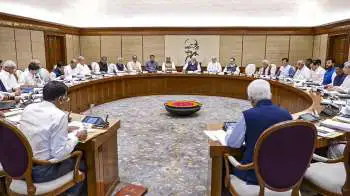
The Union Cabinet on Friday approved a set of legislative proposals aimed at facilitating delimitation and expanding women’s representation in Parliament and state legislatures. The Centre has cleared the Constitution (One Hundred and Thirty-Second Amendment) Bill, 2026, to pave the way for the delimitation exercise, alongside measures linked to the implementation of the Nari Shakti Vandan Adhiniyam.
The government is set to introduce the Delimitation (Second) Bill, 2026, during the parliamentary sitting beginning November 30. The revised draft reportedly includes a specific provision for women’s reservation as part of the proposed restructuring of legislative representation.
Under Section 10 of the proposed legislation, the number of seats allocated to each state and Union Territory in the Lok Sabha, as well as the total strength of state Legislative Assemblies, is proposed to be increased by 50 per cent. If the proposals receive parliamentary approval, the strength of the Lok Sabha is expected to rise from 550 to 850 seats, while state legislatures will also see an increase in their respective seat counts.
Centre plans to complete delimitation before 2029 elections
The government is reportedly planning to complete the delimitation exercise within two years, ahead of the 2029 Lok Sabha elections. The proposed process is also intended to be delinked from the ongoing 2026 Census, according to sources.
At present, the allocation of seats among states is linked to the population figures based on the 1971 Census, with the readjustment of seats frozen under the existing constitutional framework. The proposed legislative changes seek to facilitate a new delimitation process while providing for the expansion of legislative representation.
Why the two-thirds majority matters
The Constitution Amendment Bill requires a special majority in Parliament for passage. Under Article 368, a constitutional amendment must be approved by a majority of the total membership of each House and by at least two-thirds of the members present and voting. This makes support from parties across the political spectrum particularly important for the government, which is seeking to push through the proposed changes ahead of the 2029 general elections.