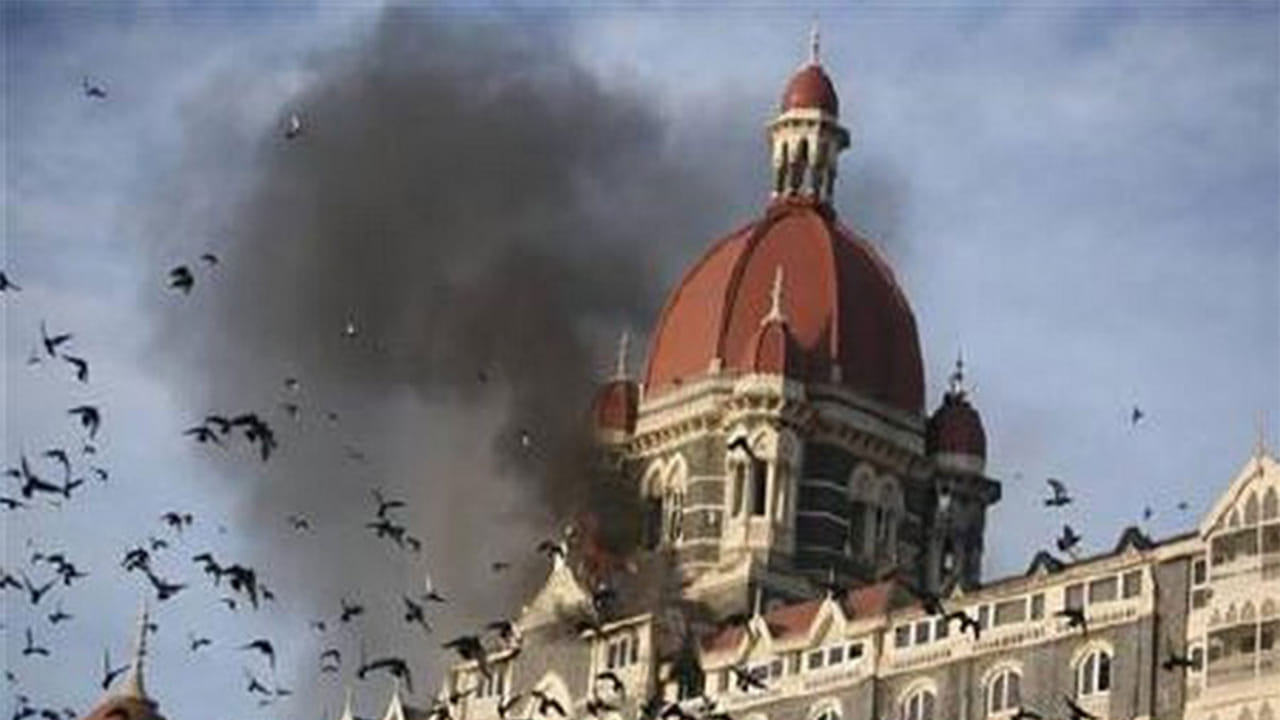
Eighteen years after losing her daughter in the 26/11 Mumbai terror attacks, Noorjahan Begum from Nizamabad is urging the government to provide financial support and a job to a family member, as promises remain unfulfilled since the tragedy.
Nizamabad (Telangana) [India], November 26 (ANI): Eighteen years after the 26/11 Mumbai terror attacks claimed the life of her 20-year-old daughter, Amina Begum, and left her husband disabled, Nizamabad resident Noorjahan Begum on Thursday renewed her appeal to the government for a job for a family member and financial assistance. Recalling the horrific incident at Chhatrapati Shivaji Terminus (CST) railway station while speaking to ANI, Noorjahan Begum said that she had travelled with her family from Ajmer to Mumbai to visit the Haji Ali Dargah, and was supposed to return to Nizamabad via CST railway station. However, they missed the Deccan Express and were waiting for the next available train between 9 PM and 9:30 PM when terrorists suddenly opened indiscriminate fire. In the attack, Noorjahan Begum’s 20-year-old daughter, Amina Begum, was killed on the spot. She had been married just six months earlier. Noorjahan’s husband, Abdul Rasheed, also sustained two bullet injuries. Following the injuries, he became disabled and was confined to his bed. His health never fully recovered, and he eventually passed away in 2011. Noorjahan Begum said that 18 years have passed since the tragedy, but the painful memories return every year on November 26, causing her immense distress. She further stated that the government had provided some financial assistance at the time. However, the family’s demand for a government job for one of its members has remained unfulfilled to this day. On this occasion, Noorjahan Begum once again appealed to the government to provide a government job to one member of her family and extend financial support to the family affected by the tragedy. This year marks 18 years since terrorists from the Pakistan-backed Lashkar-e-Taiba (LeT) unleashed mayhem on the streets of India’s financial capital, Mumbai. Commonly referred to as 26/11, these coordinated assaults by a group of 10 terrorists sent shockwaves through the nation and the world. The terrorists had entered the city of Mumbai on the night of November 26, 2008, via the sea route and over the course of four days, they killed 166 people and injured 300, in some of the busiest parts of the city. The targets were carefully chosen after being surveyed for maximum impact, viz., the Taj and Oberoi Hotels, Chhatrapati Shivaji Maharaj Terminus, the Jewish centre at Nariman House, Cama Hospital, Metro Cinema, and the Leopold Cafe, since these places were frequented by foreign nationals along with a major part of Mumbai’s workforce. The nine LeT terrorists were killed while Kasab was arrested. In May 2010, Kasab was awarded the death penalty, and two years later, he was hanged in a maximum-security prison in Pune. (ANI)