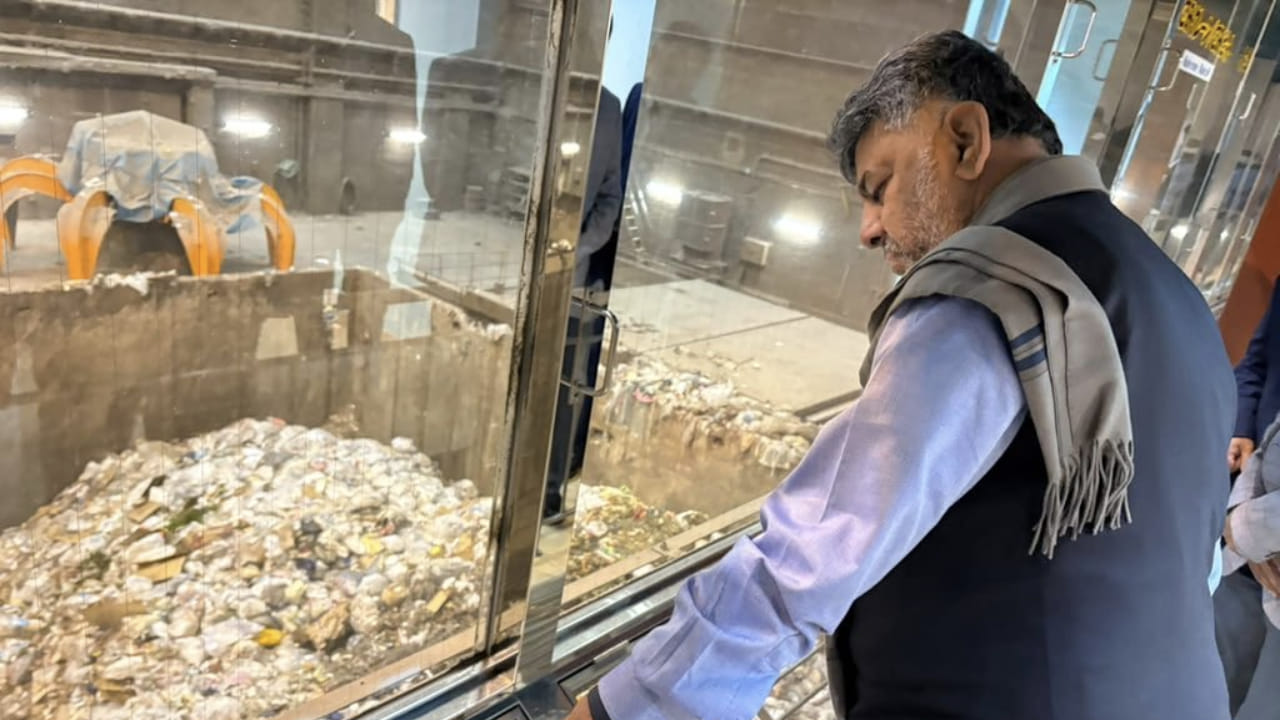
Karnataka CM D.K. Shivakumar visited Japan’s Maishima Waste Incineration Plant in Osaka to study its waste-to-energy technology. The facility processes 900 tonnes of municipal waste daily and generates electricity, offering lessons for Karnataka’s waste management.
Karnataka Chief Minister D.K. Shivakumar, who is currently on an official visit to Japan, visited the Maishima Waste Incineration Plant in Osaka on Tuesday to study its advanced waste management and waste-to-energy technology. The facility processes up to 900 tonnes of municipal waste every day and has an installed electricity generation capacity of 32 megawatts, demonstrating how urban waste can be converted into a valuable energy resource.
During the visit, Shivakumar observed the plant’s operations and explored how similar technology could help Karnataka strengthen its waste management infrastructure. The visit offered an opportunity to study Japan’s approach to scientific waste processing and sustainable urban development.
Chief Minister D.K. Shivakumar Visits Maishima Plant In Osaka
Accompanied by a delegation from Karnataka, Chief Minister D.K. Shivakumar toured the Maishima Incineration Plant in Osaka on Tuesday. He observed how Japan uses modern technology to process municipal waste and generate electricity.
The facility demonstrates how waste that would otherwise require disposal can be used to produce energy. The visit was part of Karnataka’s efforts to study international practices and explore more efficient and sustainable approaches to urban waste management.
Sharing details of the visit on social media platform X, Shivakumar said the plant offered valuable lessons for Karnataka as the state looks to improve waste management, strengthen infrastructure and develop cleaner, more sustainable cities.
Scroll to load tweet…
Plant Processes 900 Tonnes Of Waste Daily
Located on Maishima Island, the Maishima Waste Incineration Plant has been operational since 2001. It processes up to 900 tonnes of municipal solid waste every day through two incinerators.
The plant has an installed electricity generation capacity of 32 megawatts. It generates enough power to meet its own operational requirements and supplies surplus electricity to the grid.
The facility uses advanced combustion control mechanisms, continuous emissions monitoring and pollution control systems to ensure efficient waste processing while minimising its environmental impact.
Its operations demonstrate how technology can support scientific waste management while recovering energy from municipal waste.
Unique Architecture Combines Art And Technology
Apart from its waste-processing capabilities, the Maishima plant is also known for its distinctive architectural design.
The facility was designed by renowned Austrian artist Friedensreich Hundertwasser. Its colourful façade, unconventional architectural forms and extensive greenery make it stand out from conventional industrial buildings.
The design brings together art, ecology and industrial infrastructure, showing how essential urban facilities can also incorporate creative architecture and environmental awareness.
How Japan’s Waste-To-Energy Model Could Benefit Karnataka?
The visit is part of Karnataka’s broader efforts to study and adopt internationally established models in urban planning, infrastructure development and environmental management.
The state government aims to draw lessons from facilities such as the Maishima plant to strengthen urban infrastructure, promote scientific and efficient waste disposal and explore waste-to-energy solutions.
Adopting suitable technologies could help Karnataka improve municipal waste processing, reduce dependence on landfills and generate electricity from waste.
The Maishima facility offers an example of how waste management, electricity generation and environmental protection can work together to support cleaner, greener and more liveable cities.