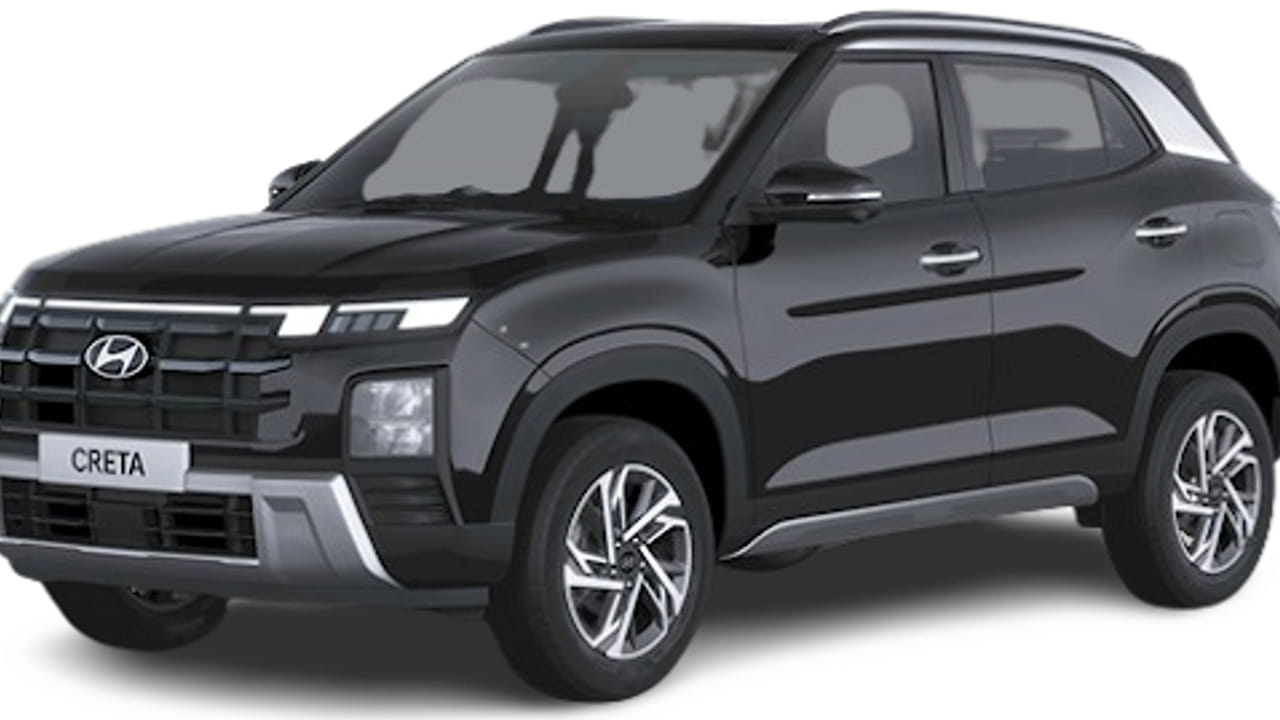
The Hyundai Creta and Maruti Suzuki Grand Vitara demonstrate how different powertrain choices and ownership considerations can affect long-term expenses. Understanding these factors can help buyers make a more financially sensible decision.
Fuel efficiency is often one of the first things buyers consider when choosing an SUV. While better mileage can help reduce running expenses, it doesn’t necessarily make a vehicle economical to own. Maintenance, insurance, depreciation, purchase price and everyday usability can all influence the overall cost of ownership.
The Hyundai Creta and Maruti Suzuki Grand Vitara demonstrate how different powertrain choices and ownership considerations can affect long-term expenses. Understanding these factors can help buyers make a more financially sensible decision.
Purchase Price Is Only the Beginning
The initial purchase price is an important part of an SUV’s overall cost.
A higher variant may offer additional technology, comfort features and a more sophisticated powertrain. However, buyers should consider whether these upgrades justify the extra investment.
For example, the Hyundai Creta offers naturally aspirated petrol, turbo-petrol and diesel engines, while the Grand Vitara provides conventional petrol and Strong Hybrid options.
The Grand Vitara’s Strong Hybrid technology can reduce fuel consumption, but buyers should evaluate whether the additional upfront investment makes financial sense for their expected usage.
A lower purchase price doesn’t always guarantee lower overall ownership costs.
Maintenance Costs Can Add Up
Regular servicing is essential for keeping an SUV in good condition, but maintenance expenses can vary depending on the engine and transmission.
The Creta offers multiple transmission options, including a six-speed manual, iVT, a six-speed automatic, and a seven-speed DCT.
The Maruti Suzuki Grand Vitara offers manual and automatic transmissions with its conventional petrol engine, alongside an e-CVT for the Strong Hybrid.
Different powertrains have different maintenance requirements. Buyers should compare scheduled service costs, recommended service intervals and potential replacement expenses before purchasing.
Following the manufacturer’s maintenance schedule can also help prevent avoidable mechanical problems.
Insurance Is Part of the Ownership Budget
Insurance is another recurring expense that buyers sometimes underestimate.
The premium depends on factors such as the vehicle’s insured value, selected coverage, location, claims history and applicable add-ons.
Higher-priced variants may incur higher insurance premiums because their insured value and certain repair costs can be higher.
Buyers should compare insurance options based on coverage and suitability rather than simply selecting the lowest premium.
Comprehensive protection and relevant add-ons can help manage unexpected repair expenses, although coverage remains subject to policy terms.
Fuel Efficiency Still Matters, but Usage Matters More
Mileage remains important, particularly for buyers who drive substantial distances every month.
The Maruti Suzuki Grand Vitara Strong Hybrid offers a claimed fuel efficiency of 27.97 km/l, while its conventional petrol variants deliver claimed figures between 19.20 and 21.11 km/l, depending on the configuration.
The Hyundai Creta offers a 1.5-litre petrol engine, a 1.5-litre diesel engine, and a 1.5-litre turbo-petrol engine, allowing buyers to choose among different performance and running-cost requirements.
However, actual savings depend on fuel prices, driving conditions and annual mileage.
Someone driving 20,000 kilometres annually may benefit more from improved fuel efficiency than someone covering only 5,000 kilometres.
Comparing the Total Cost Before Buying
Instead of evaluating SUVs only through their showroom prices or mileage figures, buyers should consider the combined cost of purchase, fuel, servicing, insurance and depreciation.
Platforms such as ACKO Drive allow buyers to explore SUVs such as the Hyundai Creta and Maruti Suzuki Grand Vitara, compare variants, specifications, features and prices, and identify suitable configurations.
Once the preferred model has been selected, buyers can also purchase a new car online through ACKO Drive, making the journey from research to purchase more convenient.
Comparing these details early can help buyers avoid paying for features or powertrain capabilities they may rarely use.
Depreciation and Resale Value Matter
A vehicle’s resale value can significantly influence its long-term ownership cost.
Depreciation depends on factors such as age, mileage, condition, service history and demand in the used-car market.
Both the Creta and Grand Vitara belong to the mid-size SUV segment, but their different engine options may appeal to different used-car buyers.
Maintaining service records, addressing mechanical issues promptly and keeping the vehicle in good condition can help preserve its resale appeal.
However, future resale values cannot be guaranteed.
Warranty Coverage Can Reduce Financial Uncertainty
Warranty protection is another important ownership consideration.
The Hyundai Creta offers a three-year unlimited-kilometre standard warranty, with extended warranty options available under applicable conditions.
The Maruti Suzuki Grand Vitara offers a three-year or 100,000 km standard warranty, whichever comes first.
Warranty coverage can help protect owners against certain unexpected manufacturing-related repairs, subject to exclusions and conditions.
Buyers should examine the coverage period, mileage limits and available extended warranty packages before deciding.
Choosing Features That Offer Long-Term Value
Premium features can improve comfort, but their usefulness should justify their cost.
The Creta offers features such as ventilated front seats, dual-zone automatic climate control and Level 2 ADAS on applicable variants.
The Grand Vitara offers ventilated front seats, a head-up display, a 360-degree camera and connected-car technology on selected configurations.
Buyers should prioritise features they expect to use regularly rather than paying extra for equipment that may have limited practical value.
Final Thoughts
An economical SUV isn’t necessarily the one with the highest mileage figure or lowest purchase price.
The Hyundai Creta offers multiple engine and transmission options, while the Maruti Suzuki Grand Vitara offers conventional petrol and Strong Hybrid powertrains that cater to different ownership priorities.
Ultimately, the true cost of owning an SUV depends on purchase price, fuel expenses, maintenance, insurance, depreciation and warranty protection.
Evaluating these factors together can help buyers choose an SUV that remains financially sensible throughout ownership.